I have just returned from a week on Country in East Arnhem Land, being immersed in Yolŋu culture and community alongside 25 other educators from South Australia and New South Wales, as part of an Aboriginal Cultural Immersion Program run by Culture College.
As I begin to process my learnings, below I reflect on three of my takeaways from this experience. I do not aim to tell the stories of Yolŋu or to share the knowledge they so generously shared with me, but rather to reflect on my own story and experience.
- Tune in – to self, others and Country.
The Yolŋu have a deep, ancient and ongoing connection with land, story and ancestry. It is the land from which Yolŋu law, knowledge and custom emerge. Across the week we were encouraged to ‘Let Country be the teacher’ and to listen to what the land and our surroundings tell us.
When we arrived at Gulkula, 31 kilometres from Nhulunbuy, we were welcomed with a purifying smoke ceremony and a bush medicine healing. At the Yirrkala Art Centre we experienced a sound healing through the playing of a yidaki and immersed ourselves in the histories of the Yolŋu, cross-hatched in ochres and clays from the land onto bark and trunks. The stories of the land were also woven into basket works made from pandanas leaves painstakingly harvested, stripped, dried, dyed and entwined.
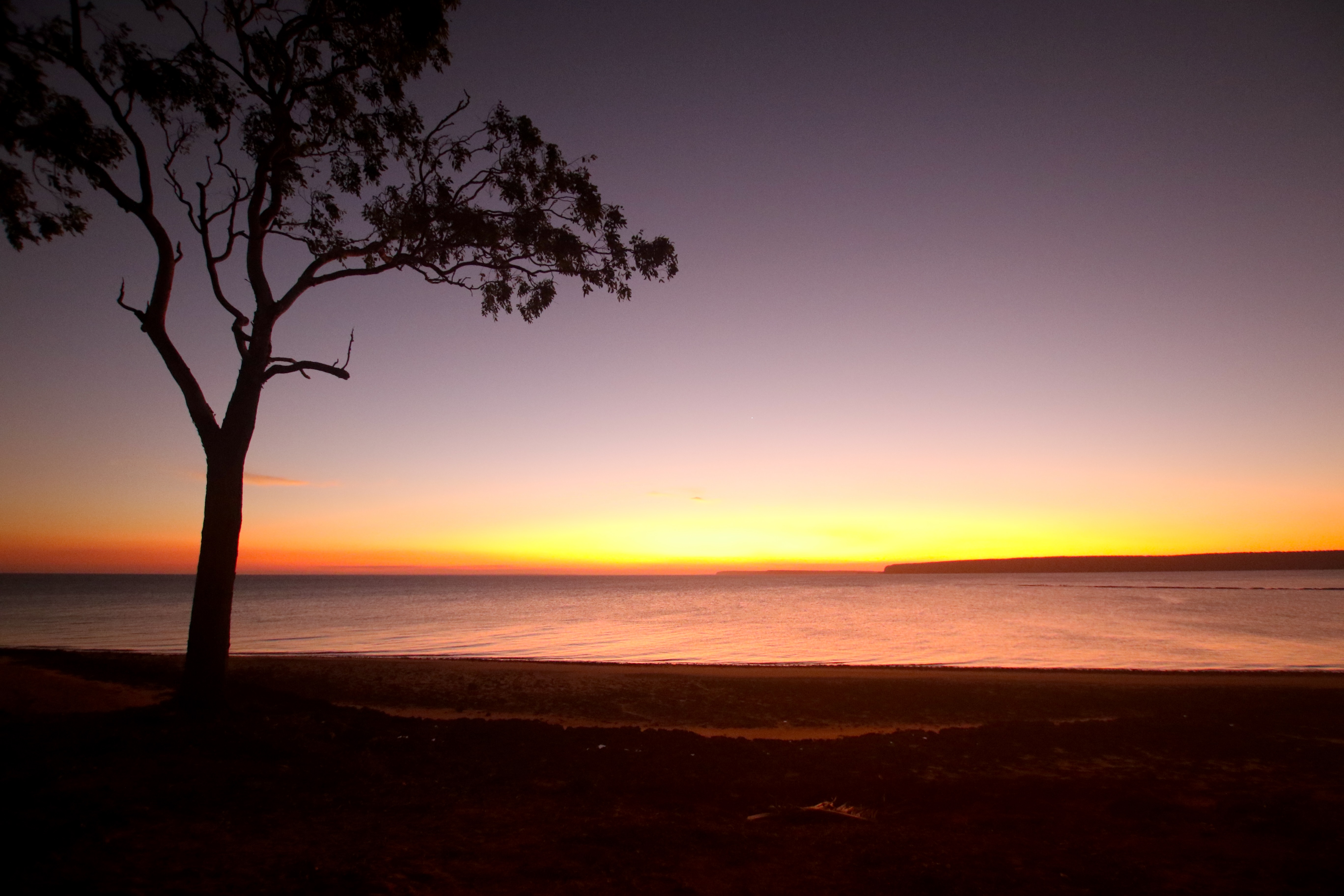
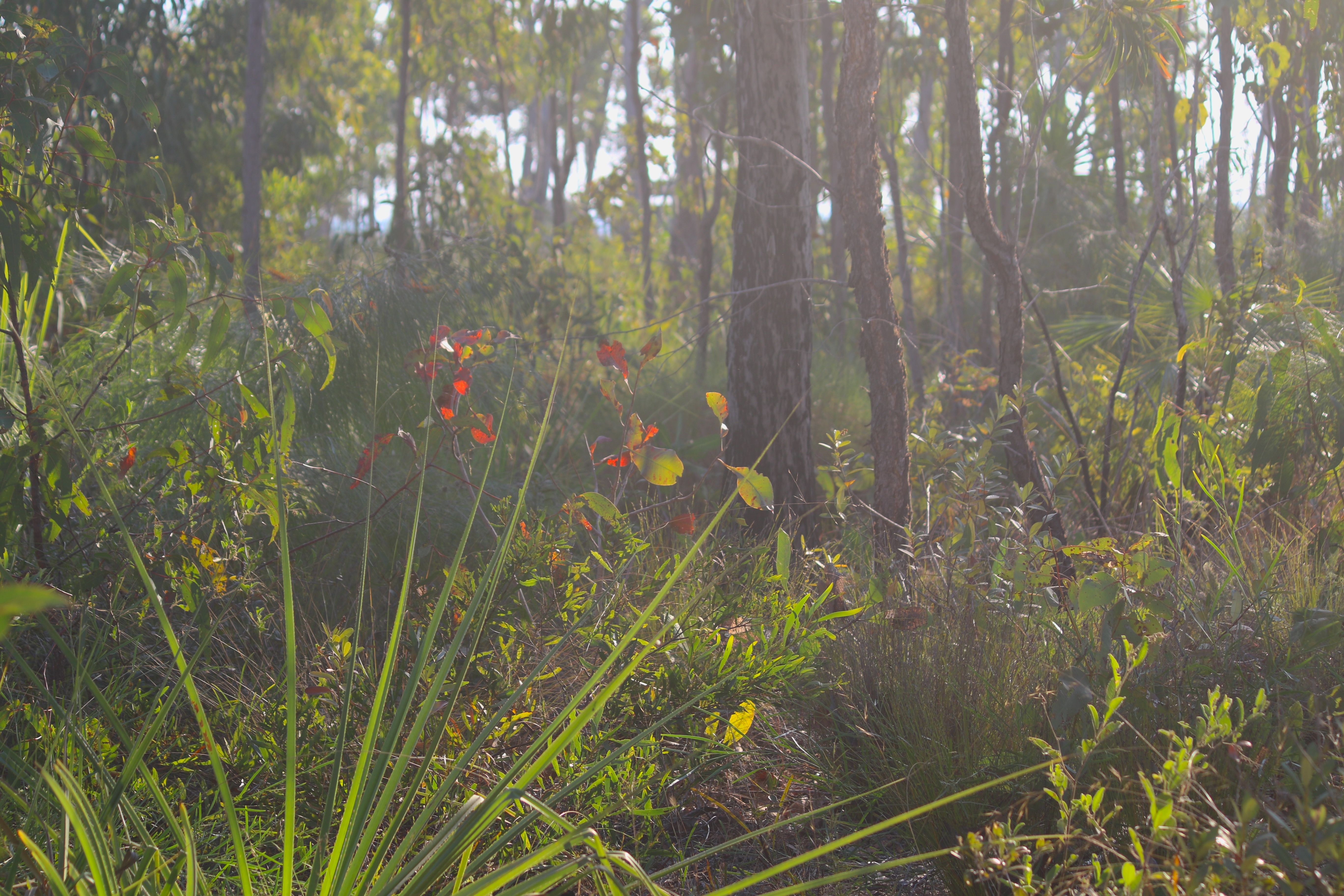
Between Gulkula and Nyinyikay we travelled winding rainbow-dirt roads in colours of rust red, burnt orange, buttery ochre, wattle yellow and cotton white. Landscapes of eucalypt-green leaves and bleached stringybark trunks were punctuated by mauve star-shaped flowers, architectural termite towers and smouldering charcoal husks soon to sprout new green shoots, representing the renewal and new beginnings that come from fire and smoke.
On arrival at Nyinyikay we were painted with clay from the land and welcomed with a traditional dance of the ancestral animal of the Country and of the people welcoming us. We walked on Country with Nyinyikay family to learn about food and medicine available from the bush.
On this journey we were helped to embrace a deep tuning in – to self, to Country, to others. As we sunk deeper into Yolŋu time, space opened up to breathe and be, to listen and learn.
- Respect culture, wisdom and truth.
For Yolŋu, ancestors and the oldest members of family and community are shown the utmost love, kindness and respect. Age and wisdom are valued and revered, in stark contrast to the glorification of youth in Western cultures. For Yolŋu, grey hairs and deep facial lines are signs of a life well lived, of sacred knowledge known and shared, of legacy protected, and of challenges overcome.
We felt the honour of learning from Elder Djapirri Mununggirritj, and Nyinyikay martriarch Nancy Mutilnga Burarrwanga (fondly referred to as ‘Old Lady’ by her family). We were privileged to learn from the wider family of all ages and from its emerging leaders. We learned that in Yolŋu society, only those who know themselves and act with respect and integrity are taught ancient, sacred and powerful knowledges. One must demonstrate their capacity to bear the weight of the responsibility of carrying and passing on those knowledges. We witnessed the great power, privilege and responsibility that comes with leading, and the capacity of an individual to inspire.
We walked and worked, listened and yarned. We engaged in women’s business for the women and men’s business for the men – opportunities for knowledge telling, yarning, connecting and supporting one another. Together with our hosts, we shared stories and photos, jokes and laughs. We spent an evening under the stars dancing ceremonial dances together. Each evening, our group of educators gathered in a circle around the fire to reflect upon our day and our learnings.
- Community is all.
In Yolŋu society, all is balanced and all are equal. We learned about the two moiety (groups) that make up the Yolŋu worldview, and keep the equilibrium in all things. Like the Kaurna concept of yara (reflecting reciprocity and ‘twoness’), the moiety are two complex halves that make up a harmonious whole. No matter someone’s age, race, background, needs or idiosyncrasies, all are welcome, all are included, and all are loved. All are family and family is all.
Each of we 26 visitors to these Aboriginal-owned lands were overwhelmed by the deep care and deep presence of our Yolŋu teachers. The compassionate welcome and safe space we received from Yolŋu was one of generosity, kinship and total acceptance. We were embraced as family and bestowed mälks (skin names) and Yolŋu names.
Reconciliation is represented in the Yolŋu metaphor of ‘the place where freshwater and saltwater meet’, and find balance as they come together and unite. In a symbolic act of reconciliation, of coming together, we visitors worked alongside the Nyinyikay family to help build the wall of their fish trap on the mangrove mudflat.
Djapirri reminded us that we are all “wired for love” and should “speak from the heart”. Abundant love, openness and trust were tangible to all of us in the way the people interacted with one another and with each of us. Walking with and learning from Yolŋu reinforced the need for us all to be active in moving towards a reconciled Australia. It brought to the fore the importance of belonging, identity and a relational community in which each member is seen, heard, held, respected, and welcomed with open hearts, open minds and open arms.
 the édu flâneuse
Pingback: Schools as sites of happiness | the édu flâneuse