We are all storytellers: immersed in my narrative worlds

Humans are storytelling organisms who, individually and socially, lead storied lives. ~ Jean Clandinin & Michael Connelly 

our constructed stories connect us

our constructed stories connect us

Whether teaching, writing, conversing or considering our own lives and identities, we are all doing one thing: storytelling.

I have recently been quiet in the Twitterverse and blogosphere, partly because more than ever before I am immersed in micro and meta layers of story.

I have been tunnelling into my PhD narrative research in every spare moment, thinking obsessively and writing dangerously. I am sharing, constructing and analysing the stories of myself, teachers and schools leaders in order to reveal insights into professional identity, professional learning and school change. I am penning my first journal article about experimental ways of telling, utilising and analysing stories in research.

When I am not researching or thinking about my narrative research, I am teaching English to high school students. Reading stories, writing stories, analysing stories, watching stories, performing stories.

Or I am with my own children, reading stories, telling stories, making storyable memories, recounting favourite moments, role playing imagined scenes with make believe characters. Or talking to my husband about his work in media and content marketing, which is all about individuals and organisations telling their stories and constructing their storied identities, in order to communicate and connect. Or blogging vignettes from my own lived story. Or planning conference presentations of my research story or the story of my school’s teacher growth model.

We are indeed storytelling creatures. While I also try to be present in each moment and to live in wonder, stories embody the ways we construct our experiences, connect with each other and the world. I write my own stories, teach the telling and interpreting of stories, and engage in the theorising of stories. Have I used the word ‘story’ enough times in this post to indicate that it is currently both intoxicating and maddening to me? Story story story.

Obsessed and submerged, back into the subterranean story cave I go …

After nourishment, shelter and companionship, stories are the thing we need most in the world. ~ Philip Pullman
by @debsnet

Research and education: a match made in the conference room? #rEDSyd

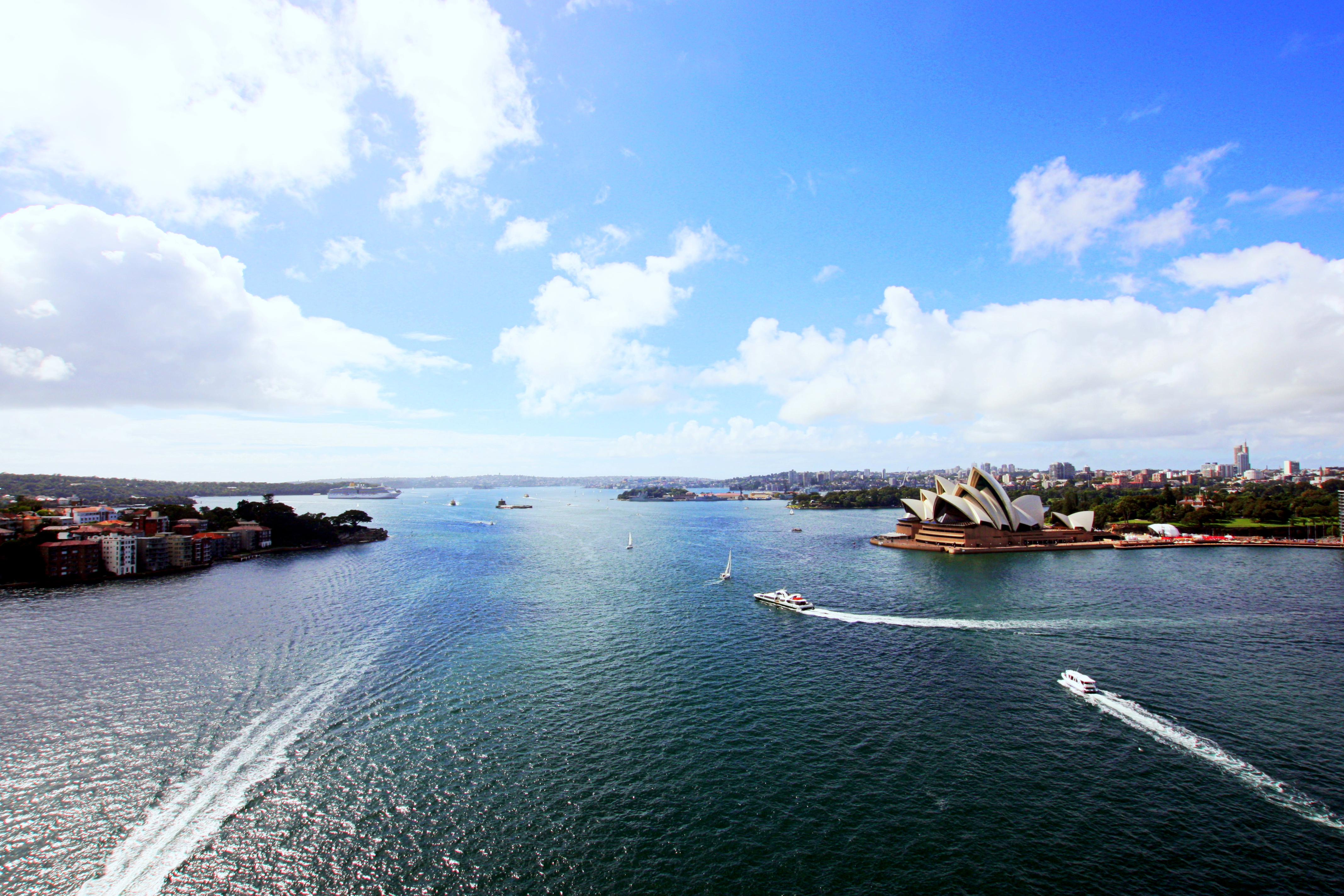
Luna Park, Opera House, Harbour Bridge

 If you want to go fast, go alone. If you want to go far, go together. African Proverb

I have just returned from presenting at the researchED conference in Sydney. As explained on its website, researchED, founded by Glaswegian Tom Bennett (you can read his reflection on the day here), is a “grass-roots, teacher-led organisation aimed at improving research literacy in the educational communities, dismantling myths in education, getting the best research where it is needed most, and providing a platform for educators, academics, and all other parties to meet and discuss what does and doesn’t work in the great project of raising our children.”

It is the first time this conference has come to Australia and I was pleased to, through attending and presenting, be part of a movement to close the gap between educational research and practice, between academic theorising and school reality.

view from Sydney Harbour Bridge

view from Sydney Harbour Bridge

As a hybrid teacher-leader-researcher I believe in consuming, curating and creating research in order to influence theory and shape practice. At the researchED Sydney conference, I presented with a colleague on our school’s emerging-from-research teacher-professional-learning-and-growth model. It was a current example of how a school might utilise research and a scientific-but-also-people-driven process to develop a strategically aligned, evidence-based, context-appropriate initiative.

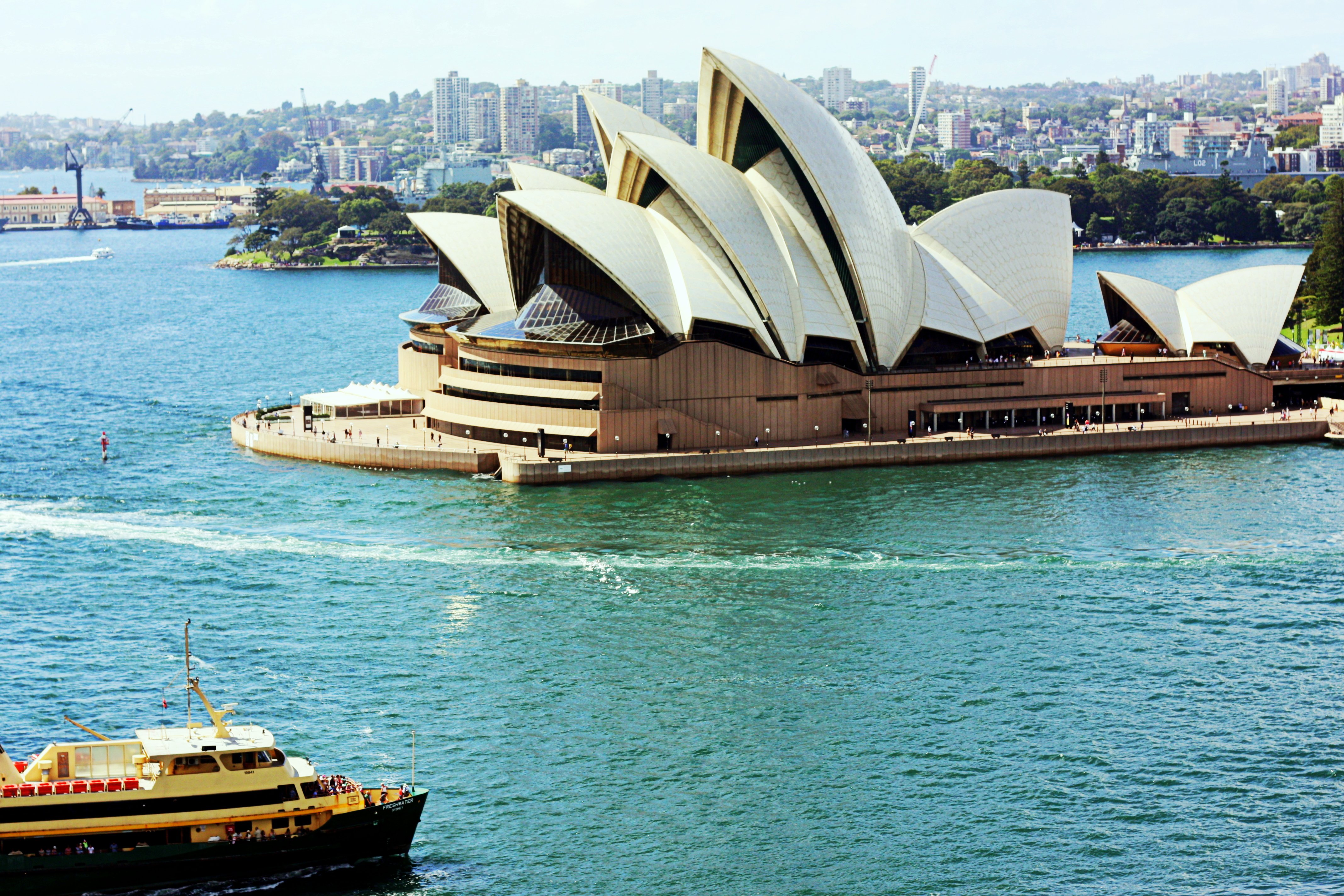
Opera House

Opera House

Some of our key presentation messages about school change were:

  • Go slow to go fast. School change is an evolution not a revolution.
  • Start with context and vision. Align initiatives and interventions with it.
  • Believe in the capacity of all individuals to solve their own problems, do their own thinking and drive their own learning.

This next image reflects those things we hoped our model would achieve. We have data measures planned to measure, as much as we can and in a variety of ways, the impact of this model.

'Take one' (or take all!) for your school

‘Take one’ (or take all!) for your school

The researchED conference (or is it a movement?) was one example of a forum for real life, cross-continental, global sharing of research-influenced education practice. You can read some other blog reflections here and here. We need frames and contexts which facilitate conversations between school and academic worlds, in order to facilitate more considered and systematic approaches to education.

Luna Park

Luna Park

Building superheroes: power, freedom & responsibility

You say you don’t want the responsibility? Guess what? People like us…we don’t get a choice. ~ Peter Parker

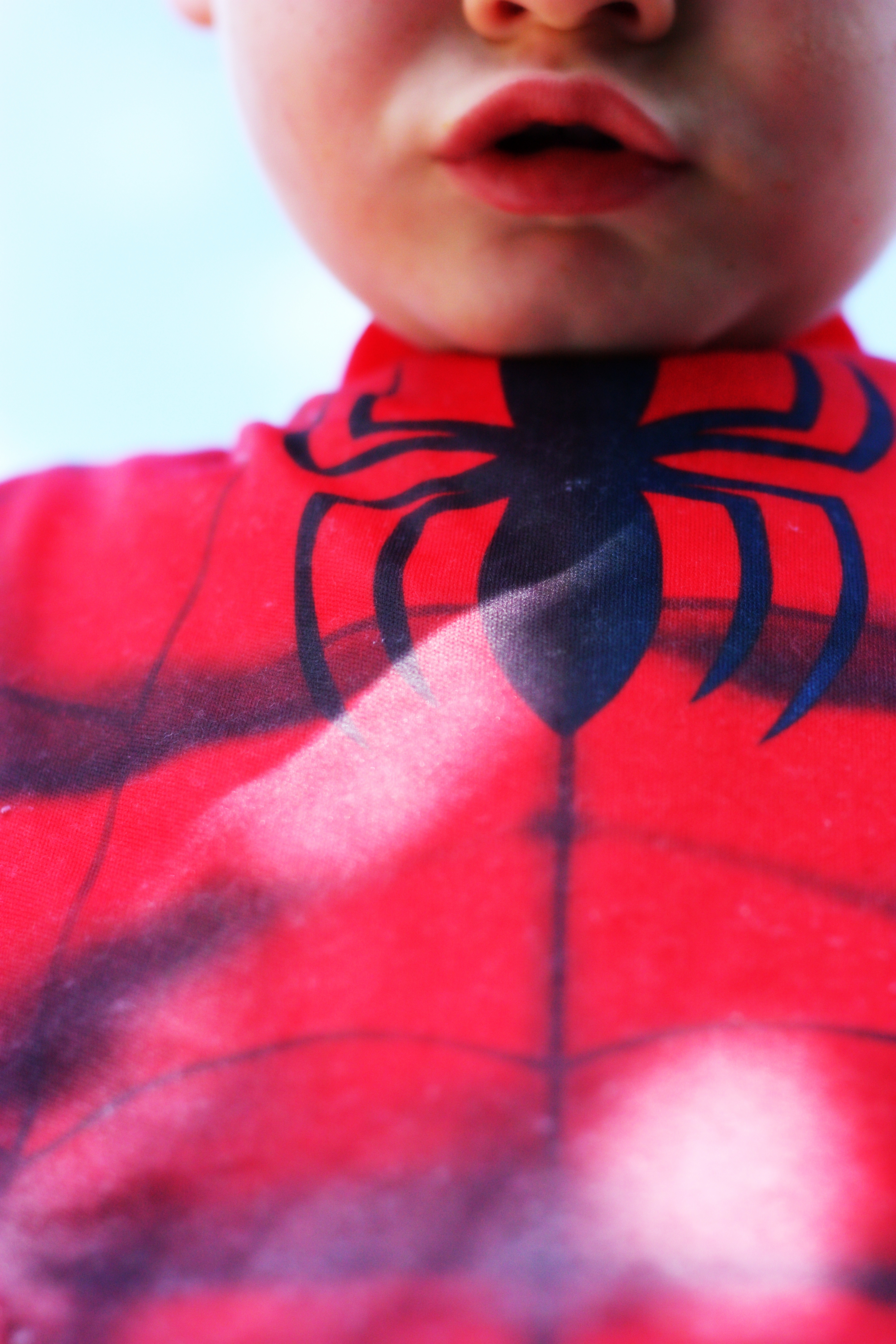
power, freedom & responsibility

Spider-Man: power, freedom & responsibility

One of the current favourite lounge room anthems in my house is ‘Superheroes’ by The Script. It’s about struggling through adversity into strength: turning “the pain into power … That’s how a superhero learns to fly”: http://youtu.be/WIm1GgfRz6M .

How do we encourage our own children and students to fly and to build resilience, grit and a sense of individual responsibility for their own flight?

I recently stumbled across a Twitter chat which was around the topic of ‘learning differently’. It seemed to be focused on students who were considered high risk, high needs or ‘different’ learners. Having worked with students with cerebral palsy, students considered ‘at-risk’, and in mainstream and not-so mainstream classrooms, my reaction was: but we all learn differently from each other. So isn’t trying to address ‘learning differently’ just addressing the needs and contexts of all of our students, whatever those are? Can’t we help all individuals to grow and fly in ways appropriate to each of them?

My own approach to differentiation and independence-building is often one which allows student choice and self-direction, which in turn lets me work with students in more individualised ways. Maria Montessori said that a teacher’s greatest mark of success is when “the children are now working as if I do not exist.” If students are to fly, they need to be able to get there on their own. How can we help build their superpowers?

my three superheroes

my three superheroes

Voltaire’s line ‘with great power, comes great responsibility’ was made famous by Spider-Man’s Uncle Ben. It is a line I borrow from when reminding students of their responsibilities in the classroom and in their own learning, adapted for my purposes (and also reflecting the sentiment of something my parents used to say to me):

With great freedom comes great responsibility.

In other words, the more freedom of choice a student has, the more they are expected to act responsibly. As students prove their self-managing, self-motivating, independent capacity for action and thought, so they will have more freedom, and the responsibility that comes with that.

Students tend to connect with and remember that line, maybe because their first reaction is one of correcting me, telling me I have the line wrong; they know it from Spider-Man and they defend the original. Yet they are also reminded that they need to earn their freedom by proving their capacity for self-directedness.

I discovered, after using this line for years, that Eleanor Roosevelt did actually say that “with freedom comes responsibility.” She asserted that freedom requires that we grow up and carry our own weight. Being free-choosing, free-thinking, free-acting citizens of the classroom or the world comes with the responsibility of being thoughtful, ethical, independent individuals, traits often modelled by superheroes.

How do you remind your children or students of the responsibilities which come with freedom? How do you enact your own duty as an educator or a parent? A duty expressed by Hargreaves, Boyle and Harris in Uplifting Leadership as a “lasting legacy” of raising others up, so that, when we step aside “the good work should still go on”?

How do you help your superheroes find their power and learn to fly?

Do you know what is the greatest gift anyone can receive in his lifetime? The greatest gift we can receive is to have the chance,  just once in our lives, to make a difference. ~ Dr Strange talking to Peter Parker

Batman

Batman