Pause

Bigurda Trail by Deborah Netolicky

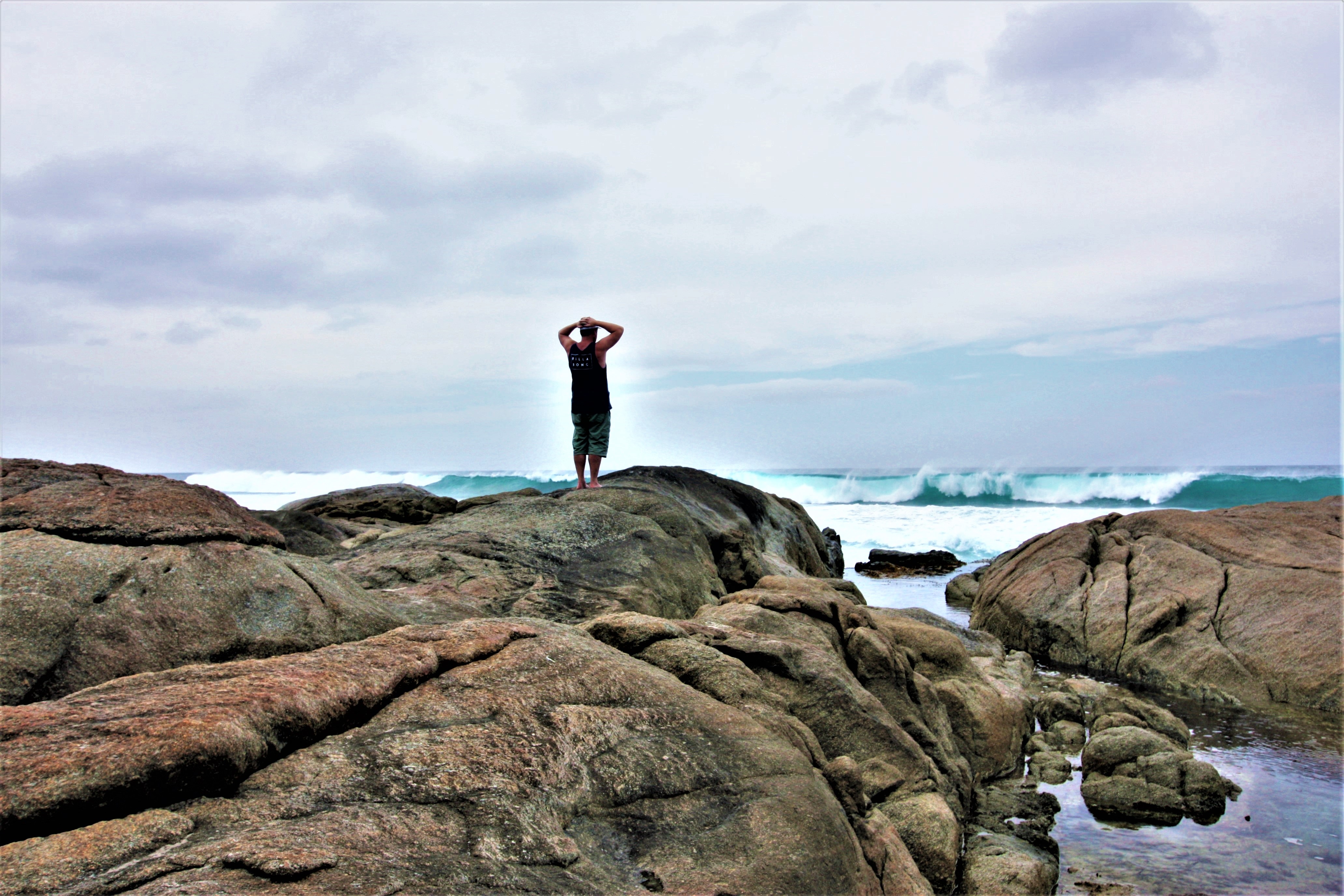
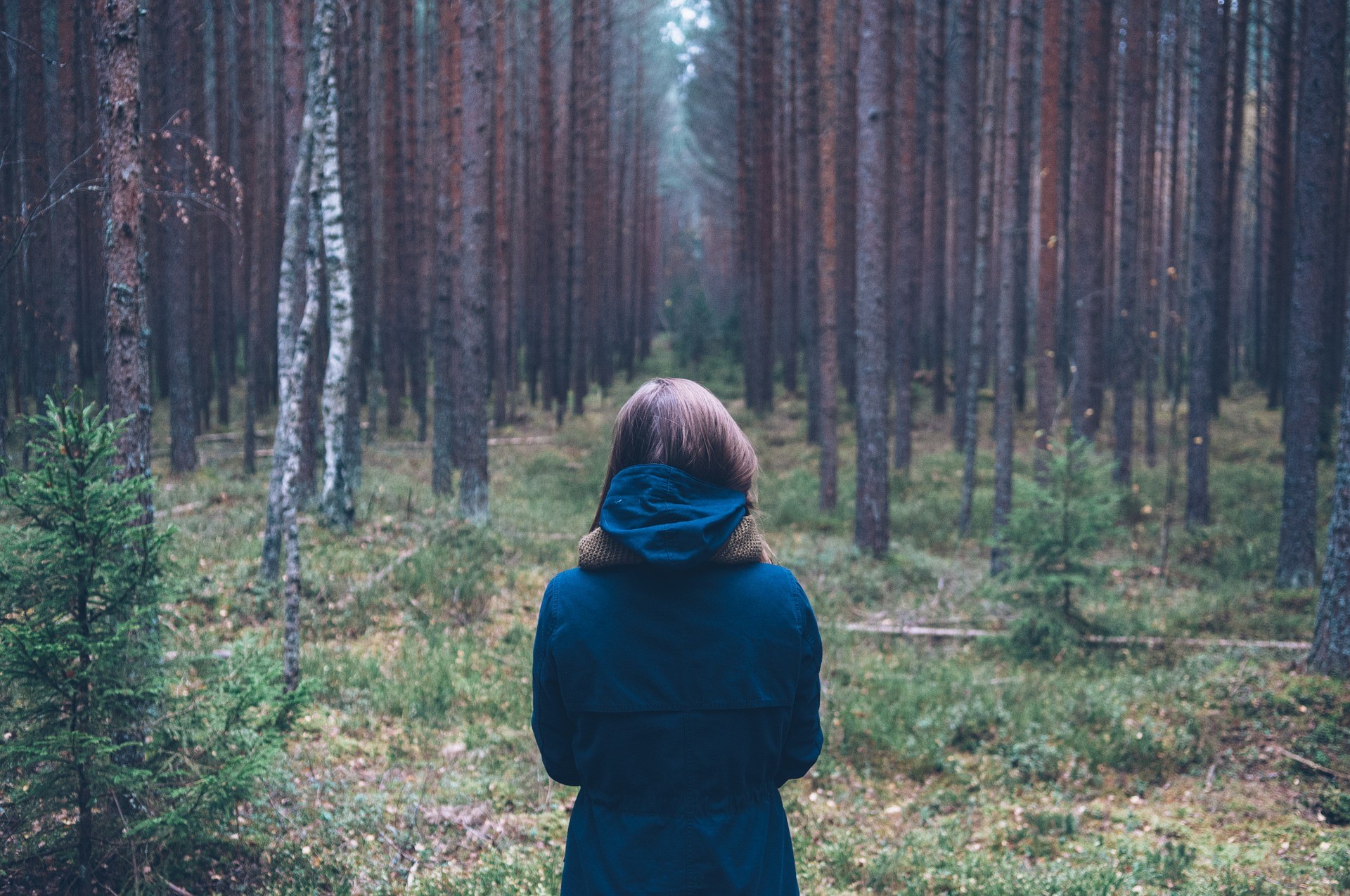
walking alone on the Bigurda Trail last week (Kalbarri, Western Australia)

Last year I worked with a coach. During one of our first conversations, he said, “It sounds like what you need is to pause.”

That sounded right.

“Yes!” I said. “I do pause, though. I often pause, see where I’m at, re-assess, and make a new list for what to do next.”

My coach’s wry smile stopped me. He said, “That’s an active pause, but I think you’re talking about the need for a non-active pause.”

A non-active pause? An actual pause where nothing happens but the act of pausing? I wondered what that looked like. I had spent so long working on habits and systems for efficiency and productivity that I struggled to consider the why and what this kind of pausing.

My coach emailed me the goal of ‘finding pause and energy’ after our conversation. He additionally suggested the following actions.

  1. Take moments through the course of the day to pause and just be present—not think about what’s just happened or anticipate the next step.
  2. Identify and prioritise some opportunities to just ‘be’ with husband and friends—put some energy back into those aspects of life.
  3. Identify what ‘energises’ in work and outside—perhaps identify moments in the past (at various stages) when you felt most energised.

He also sent me Adam Fraser’s framework for finding the ‘third space’ and a link to this youtube clip on ‘the third space’ (the micro transition between one activity or role and the next).

Ok, I thought. I can work on pausing. I immediately changed the mini-blackboard message in my office from ‘start now’ to ‘pause, breathe, be’. It reminded me about finding pauses in my day, but the challenge was actually taking them!

Yoga has always helped me tap into ways to be present. Last year, I began flotation tank floating, which showed me the power of sensory deprivation, of unplugging from sounds, sights and from the feeling that at every moment I should be doing something useful and productive.

Yet while I could schedule gym sessions and floats, I still found it difficult to find small ways each day to tune in to pausing or being present.

At the beginning of this year I talked to a friend whose motto for ordering coffee was to ‘have it there’. That is, when he orders coffee from a café, he takes the time to sit and enjoy it there, before moving on to the next part of his day. I wondered about the impact of ‘have it there’, instead of ‘drink it on the run’, or ‘multi-task to save time’, or ‘have it while driving or engaging with a computer or device’.

I committed this year to eating lunch away from my desk. When I’m feeling under pressure I tend to eat and work, but I decided it was important that I find 15-40 minutes per day to sit, alone or with colleagues, and mindfully eat something. I have broken that commitment twice only so far this year. I told colleagues about my lunch promise, so they have helped to keep me accountable. More than once someone has walked past my office and either invited me to sit with them, or asked, “You’re not eating lunch at your desk, are you?” So I have ended up with a little lunchtime community, as well as a pause in my day.

I have also tried to find a few minutes each day to breathe mindfully. Sometimes I find these minutes at work, sometimes at home, and sometimes just before I go to sleep. On occasion I turn off the music in my car and drive in silence. I go to the gym three times per week and try to find other activity on other days, with varying degrees of success. I have been floating in flotation tanks about every 6 weeks.

Despite my attempts at finding pause, and my focus on light-ness, I finished Term 1 feeling rushed and frantic. Last week I took leave from work, during the school holidays. During the week I tried to focus on slow, deliberate living focused on relationships and experiences, rather than goals and actions.

I read fiction in the sun. I walked. Contemplated. Embraced stillness and movement. I stayed out of social media discussions about education. I didn’t write. I didn’t read for work. I gave myself permission to eat a nutritious breakfast, and to sit and enjoy it. I played board games and had long conversations with my husband and children. I spent time outside, in nature, and alone. I hung out with friends and family. I enjoyed going to the gym and having a leisurely coffee afterwards, looking out over the ocean.

Pausing is difficult but what is even more difficult is prioritising it as important rather than ‘nice to have’. What seems so possible during a holiday is challenging to bring into the busyness of everyday working-parenting-living life.

Where do you, or where could you, find a pause in your day, your week, your month?

How to #BalanceforBetter this International Women’s Day?

IWD2019

I realise that this year’s International Women’s Day theme #BalanceforBetter is focused on advocating for more gender balance for a better world. It’s about more women as leaders, on boards, and in STEM. It’s about closing the gender pay gap and accelerating gender equity.

But I keep seeing the #BalanceforBetter hashtag and thinking about my personal battles with ‘balance’ as a woman. I have over the last 12-18 months been working on the notion of balance in my life. Redressing the balance towards self-care, wellbeing, health and mental space, factors that have been crowded out by busyness, work, commitment to family, wanting to make a difference. I have written about trying to say ‘no’ to more things and to prioritise what matters.

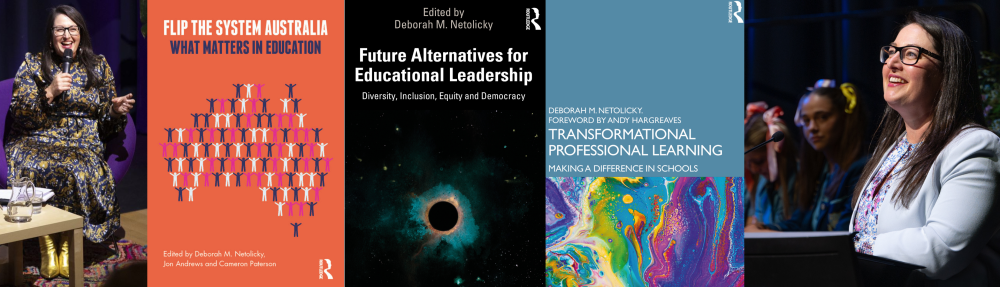
I’ve been writing a book as part of my push to be ‘10% braver’ as the #WomenEd squad would say. Two other projects are examples of my advocacy for women; as co-editor of the recently-published book Flip the System Australia: What matters in education, we ensured that more than half of the chapters were contributed to by women authors, and I have co-edited a special issue of the Journal of Educational Administration and History in which we offer female-authored papers on re-imagining school leadership. I’ve been lifting heavy weights to feel physically stronger and floating in floatation tanks to feel mentally lighter. I know this is a first-world take on the notion of ‘balance’. I’m in a privileged enough position that I can consider my writing, wellbeing, family and leisure time. I have choices available to me, which is not the case for all women.

This week I saw the following sculpture at Perth’s Cottesloe beach as part of the Sculpture by the Sea exhibition.

1E6A3477

It is by Hamish McMillan and is called ‘Internment’. The wire figure interned within the cage slumps over his desk, met by the words, ‘Nice work, Jeff!’ on his computer screen. He is surrounded by boxes with messages of those things perpetuating his imprisonment in a toxic work culture: “obligation to colleagues”, “I make a difference”, “credit card due”, “mortgage due”, “failure is not an option”. How many of us are chained to our devices or caged within our work worlds because of obligation, inspiration, ambition, bills to pay, or the desire to make a difference? At what cost? Is it being a ‘bad feminist’ if a woman does not aspire to a powerful, well-paid management position? Or is it just making good choices that suit us, even if it does nothing to balance gender roles at the highest levels of the workforce? Three female politicians have recently left the Australian Liberal Party. Sticking it out in an unsatisfying, harmful or misogynistic work environment may not be worth the power, pay and prestige it provides.

In my field of education, the longitudinal Australian Principal Occupational Health, Safety and Wellbeing Survey of principals and deputy principals has found that in these top school roles, a disproportionate number of women are consistently paid less than their male colleagues. It also found that physical violence towards principals and deputy principals is now 37% or 1 in 3 principals (9.3 times the rate of the general population). Women are most at risk with 40% experiencing violence compared to 32% of men. So women principals and deputy principals in Australia are more likely to be paid less and also more likely to experience physical violence in their work than their male counterparts. This survey also reveals worrying trends in work hours, mental wellbeing and physical health for principals and deputy principals, something that dissuades potential candidates, particularly women, from aspiring to and applying for these roles.

Those who lead organisations or who stand on the stage normalise ideas about who can lead, who should speak and to whom we should apparently listen. Often in leadership roles, keynote presentations and film, advertising or media representations of leadership, women are under-represented. So what can we do to #BalanceforBetter?

Organisations can consider how to advance women in their ranks, including into top jobs, governance positions and roles traditionally held by men. Conference organisers, event planners and awards panels can continue to work on broadening the diversity of those who present, sit on panels (no manels, please!) and receive awards. The media can stop asking women how they cope with juggling work with family, while not asking the same of men. Colleagues can refuse to tolerate off-hand remarks that are sexist or demeaning to women, even when masked as ‘jokes’. Men can question those things they take for granted or see as normal, that perhaps work in their favour, but do not benefit the women around them. Researchers can consider the diversity of their citation practices. Women can consider how to equalise and advocate for gender balance in their organisations, and also how to find a sense of balance and wellbeing in our own lives. We can all take positive, even micro, actions towards more balance.

Voice and action on International Women’s Day

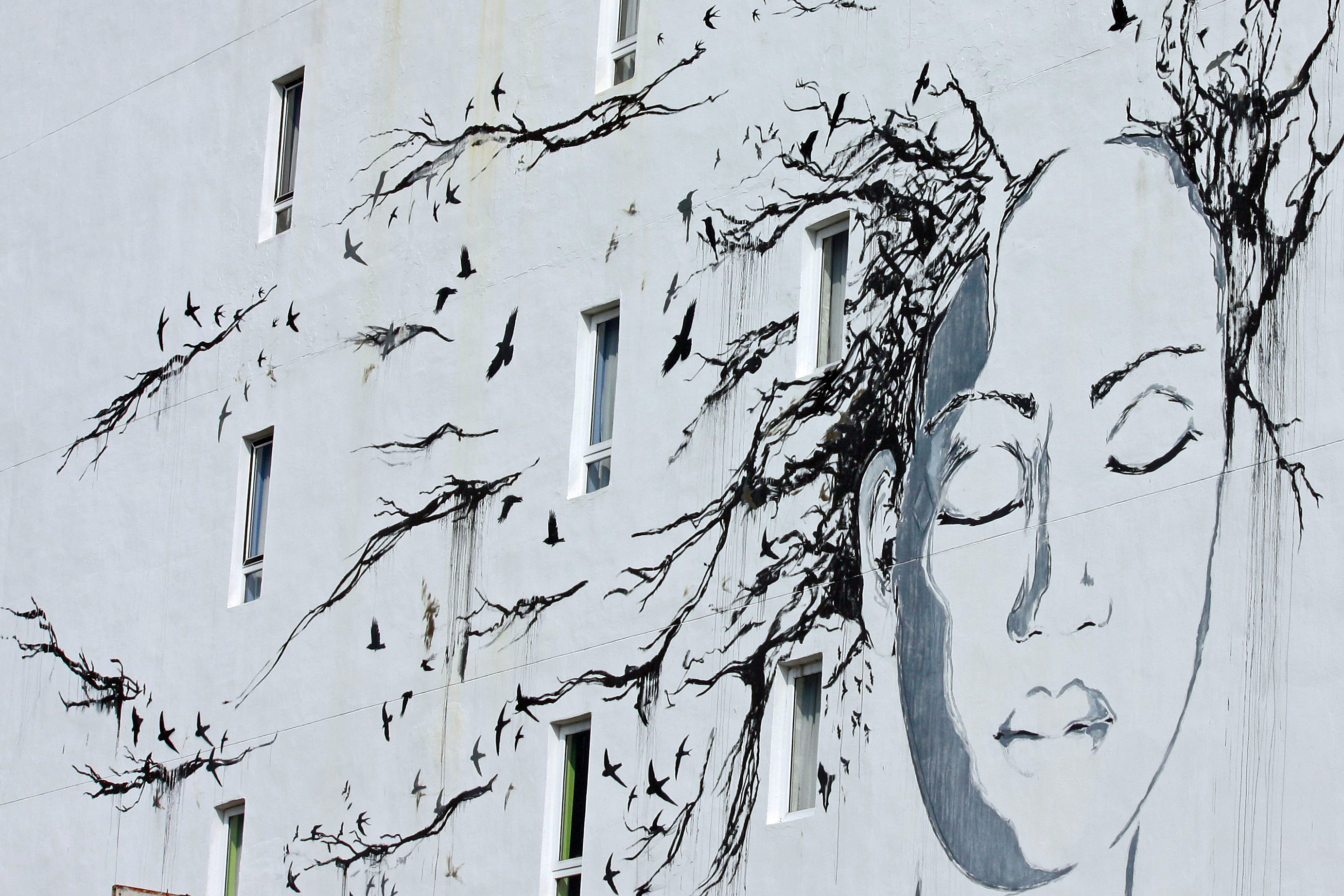
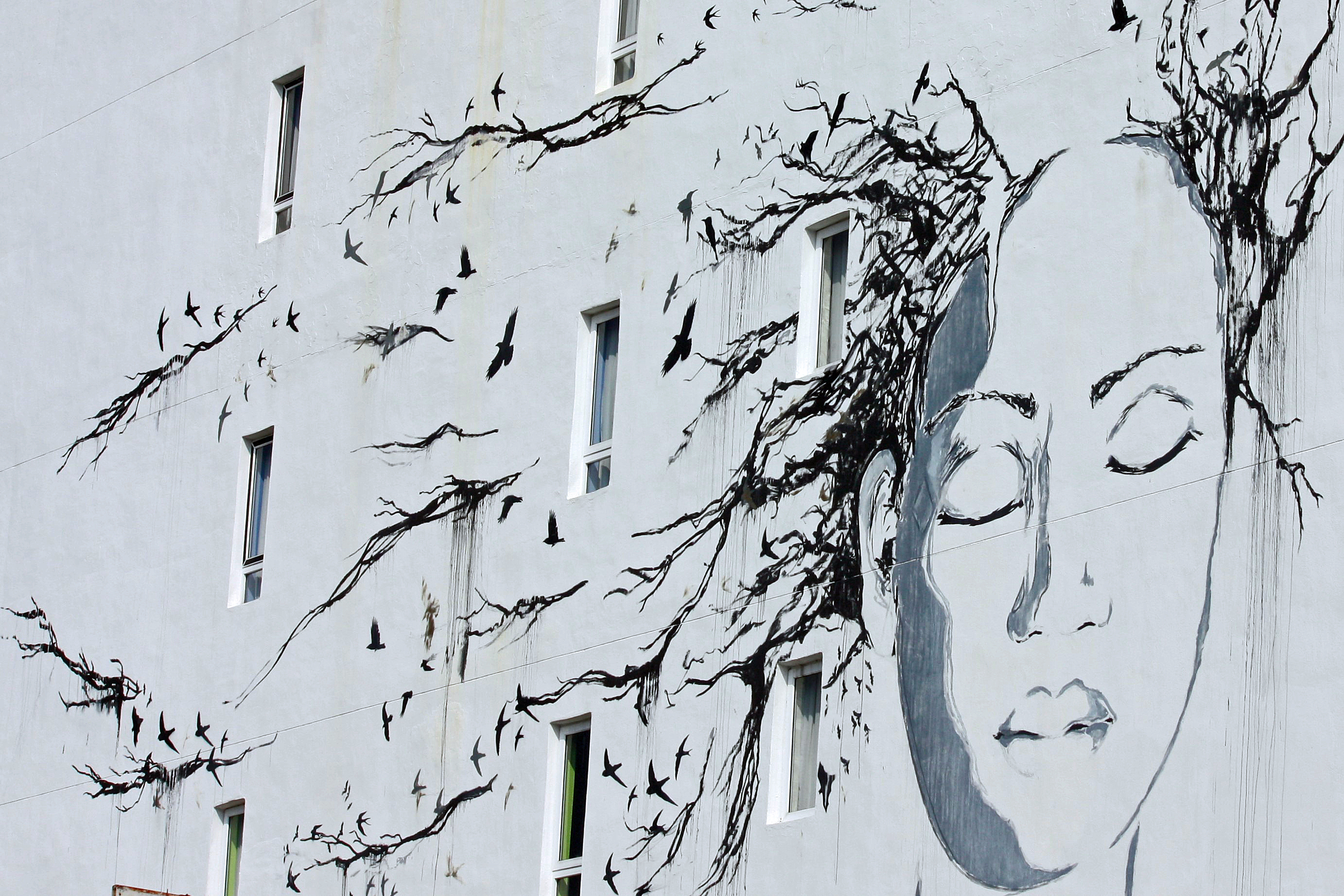
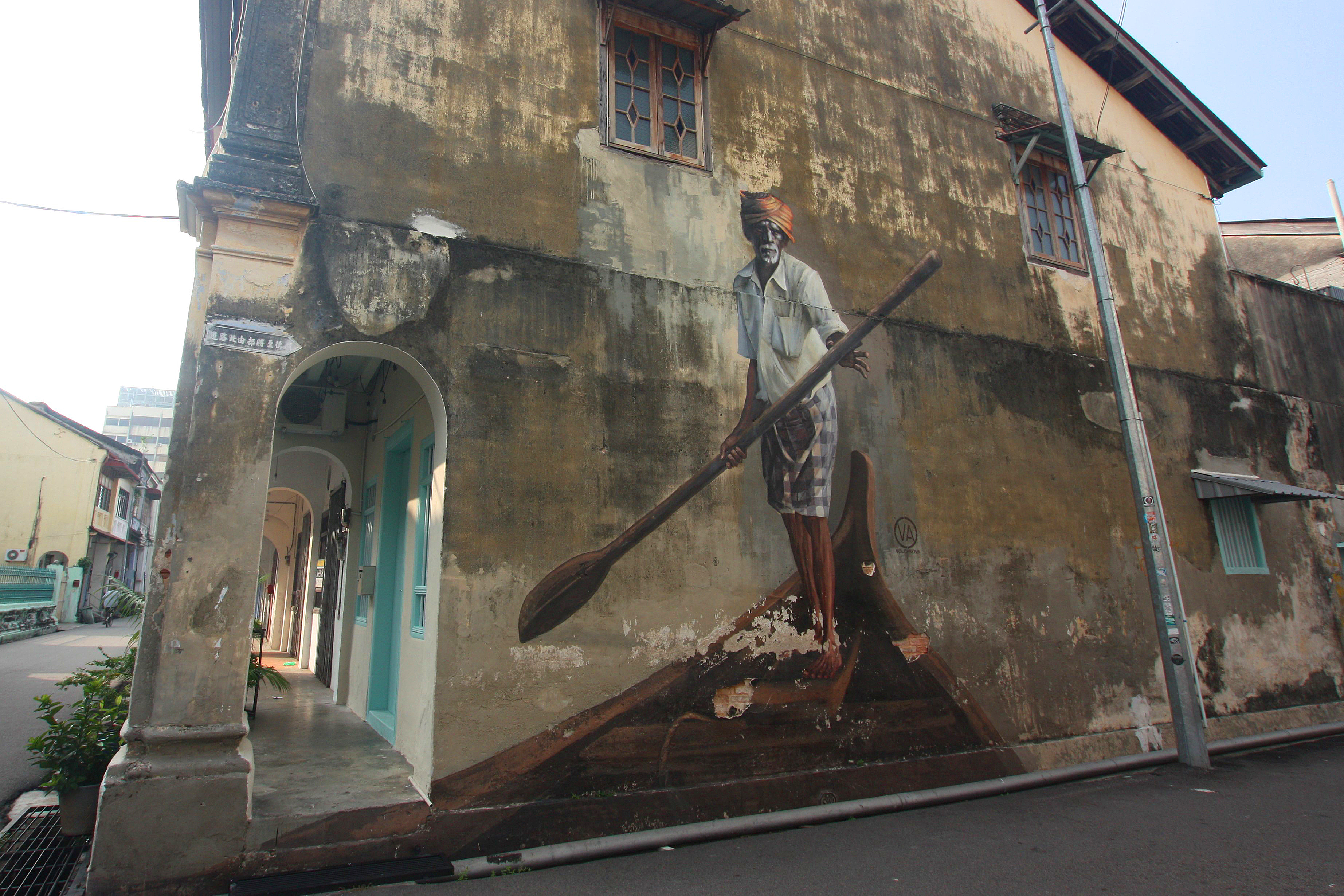
mural in George Town, Penang

Today is International Women’s Day. It is a day that is about raising mindfulness and action around parity, equality and inclusivity. In some ways, the world is changing. In the last week, a man in Belgium has been fined for a sexist comment towards a police officer. In October last year, Jacinda Ardern was appointed as the prime minister of New Zealand at the age of 37, making her the world’s youngest female head of government. Her first day in office, however, she was quizzed about whether she had plans to have children, and has since been the subject of plenty of opinion about her pregnancy, including during a 60 Minutes interview that focused on her pregnancy and her appearance, rather than her politics. Many have noted that male politicians would not be subjected to similar attention.

There remains gender disparity in leadership. Women currently account for 27% of ASX 200 board positions, up from the woeful 8% in 2009. In Australia, only one in four IT graduates and fewer than one in ten engineering graduates are women. In the education sector in Australia there remains a discrepancy between the amount of women in teaching versus the number of those in school leadership. 80% of primary teachers are female but only 57.5% of primary principals are female. 58.4% of secondary teachers are female, yet only 41.7% of secondary principals are female. Australia’s National Excellence in School Leadership Initiative has named 2018 the ‘Year of Women in Leadership’. They argue in their white paper that there are insufficient leadership opportunities for women, inadequate support mechanisms, and a paucity of role models for female teacher and students who aspire to leadership. I have reflected before about masculine models of leadership, in which the (often white) male leader (usually in a suit) is normalised as an image of ‘leader’, and what this tells people who are female, Indigenous, black, brown, or LGBQTI.

In her 2017 book, Women & Power: A Manifesto, Mary Beard writes that “we have no template for what a powerful woman looks like, except that she looks rather like a man.” In advocating for a world in which power can exist in diverse ways, she adds:

“You cannot easily fit women into a structure that is already coded as male; you have to change the structure. That means thinking about power differently. It means decoupling it from public prestige. It means thinking collaboratively, about the power of followers not just of leaders. It means, above all, thinking about power as an attribute or even a verb (‘to power’), not as a possession.”

Social media has been the vehicle for much of the global solidarity and activism surrounding issues of discrimination and inequity, and a way that some use to try and think about power differently. It can be a democratised platform where everyone can speak, regardless of power or position.

There are those who use humour to shine a spotlight on the absurdity of how the world can see women. The spoof Twitter account @manwhohasitall, for example, tweets out advice such as:

“MY DREAM: That one day boys will become anything they want to be – male chairwomen, gentleman drivers, men writers or boys who code”; and

“I am interviewing a famous working dad who manages to juggle 3 kids and work outside the home for a magazine. What should I ask him?”

There are more serious movements on social media, too, such as the #MeToo and #TimesUp hashtags, which build on the work that activist Tarana Burke began as a grassroots movement in 2006 as a way to help young marginalised women feel safe to speak up about sexual assault, in order to support survivors. After Alyssa Milano’s 2017 tweet using the hashtag #MeToo, the hashtag was used more than 12 million times, helping to de-stigmatise speaking up about assault. TIME magazine named its person of 2017 as ‘The Silence Breakers’ of the Me Too movement. Then, early this year, a number of high-profile people from Hollywood founded the #TimesUp movement to build momentum from #MeToo by confronting discrimination, harassment and pay parity across industries. On a recent Q&A ‘MeToo Special’ on the ABC, however, the panel showed no understanding of the history of the MeToo movement, despite being directly asked by an audience member:

“The #MeToo movement was initially created in 2006 by social activist Tarana Burke as a means to promote empowerment for women of colour experiencing sexual harassment. How can we ensure that this campaign is inclusive of all forms of diversity going forward?”

Host Virginia Trioli responded with, “It started, of course, as you say, correctly, Janet, as a very privileged white conversation. But it doesn’t mean that it has to stay that way.” She and the expert panel showed no knowledge that this was originally a grassroots movement in a black community, not a ‘privileged white conversation’. On the one hand, these movements can be seen as powerful attempts to rally the world to address issues of inequity, and bring attention (and hopefully action) to issues of discrimination and inequity. On the other, I wonder what these movements say about power in our world when the words of Tarana Burke, a black woman activist working in her local Alabama neighbourhoods, only become legitimised and amplified when appropriated by those who have power and platform. Pleasingly, there are actions emerging from social campaigns. TimesUp members have set up a legal defense fund to help victims of sexual assault that has raised over $21 million. They are advocating for legislation that penalises companies that tolerate persistent harassment and that discourages the use of nondisclosure agreements to silence victims.

Meanwhile, I have been working on the Australian Flip the System book with my co-Editors Jon Andrews and Cam Paterson, and thinking on inclusivity. The book is an Australian take on the theme explored in Flip the System: Changing Education from the Ground Up (Evers & Kneyber, 2016) and Flip the System UK: A Teachers’ Manifesto (Rycroft-Smith & Dutaut, 2018). Flipping the system is about subverting power hierarchies in the education system, and elevating the voice, agency and influence of those often ignored or marginalised by the system. This involves sharing teacher perspectives and Indigenous perspectives, for instance, alongside the academic voices of scholars. What we have found, however, is that elevating the voices of those at the nadir of the system is full of challenges. Often there are vulnerabilities or ethical tensions that deter individuals and groups from sharing their stories. Like those voices who have brought prominent social campaigns to the fore, it is those who have the most power, stability and security that often feel most free to speak. Those who have the most to lose, or who are in the most precarious circumstances, can be wary about speaking up or speaking out. I wonder about how much career stage and level of influence make a difference to the extent to which it is possible to disrupt the status quo.

Tarana Burke said in an interview with The Guardian that “having privilege isn’t bad, but it’s how you use it, and you have to use it in the service of other people.” Those of us with a privilege and a platform to be heard can ask ourselves: Who gets to speak? What voices are heard and what voices are ignored, drowned out, or silenced? How might we resist power structures, rather than perpetuating them? Are we participating in slacktivism, self-aggrandisement and self-congratulation, or are we taking positive action?

To ‘Press for Progress’ in issues of discrimination, opportunity and diversity, we can be mindful of those things that are normalised in our world in terms of who gets to speak, where power resides, and (when the social media storm melts away) what is actually getting done.

Doing even better things

My word for 2018 is metamorphosis, which for me is a lot about letting go. I’ve been thinking about what ingrained habits, automatic behaviours, and stale dreams, I can shed this year as I move towards my next zero birthday and my anniversary of ten years since I returned to Australia from the UK. To move into metamorphosis right now feels like I need endings before I can think about any butterfly-esque new beginnings.

I’ve been thinking on what Professor Dylan Wiliam often says:

We need to prevent people from doing good things, to give them time to do even better things.

It’s not that I am filling my days and nights with wasteful things. I do many fun, productive, worthwhile things. In fact, perhaps part of my problem is my constant feeling that every minute I spend must be worthwhile, as though an unproductive minute is a wasted minute. It was my personal trainer who challenged me to reconsider my downtime. He said my health is being affected by an unceasing stress response cycle and that my body is constantly overloaded with adrenaline, cortisol, and norepinephrine.

I have gotten into some not-so-helpful habits, probably ones that working or studying parents often get into. It started in 2011 when I returned to work part-time after my first period of parental leave. My first child was 6 months old. I felt anxious that I might be perceived not to be working hard or long enough, or that I might be late responding to something, so I put my work email on my phone and responded to emails in the playground, in the supermarket queue, and in life’s cracks where I might previously have been daydreaming or looking around. Then in 2012, after having my second child, I returned to work again. I also enrolled full-time in my PhD (because: nerd bucket list!) and so I spent all my spare time (between work and parenting 2 children under 2) working on my doctorate. I managed to submit my thesis within 3 years of enrolling, and completed shortly afterwards, but I had set in motion a dangerous pattern. Once my PhD was done, I presented at more national and international conferences, and ramped up my academic and blog writing. I went from part-time work back to full-time work.

My downtime had become a different kind of work. I wasn’t having breaks. I was switching from teaching work to leadership work to domestic work to research work. Or I was using my non-work non-productive time to prepare for the next bout of work or productivity. Or I was so tired that in the evenings I would halfheartedly watch bad tv or trawl social media in the name of ‘time to myself’. I continued with all of this through some very rough personal patches and did my utmost not to let work, home, or doctorate, be affected. I had some good tricks, like seeing my PhD as intellectual ‘me time’, using calendars and to-do lists with military precision, and switching off from the rest of the world when I was playing with my kids. But is checking social media or writing a blog after the kids have gone to bed the best way to spend my time? Is it helping me to wind down for a good night’s sleep? Multiple work trips and conference presentations can be rewarding and invigorating, but can also negatively impact family time and lead to more stressful work weeks before and after. Is moving from the paid work of my days to the unpaid writing of my nights and weekends stoking my internal fire, or just exhausting me in a relentless cycle of Doing The Things.

What Things am I doing, and why?

I have begun to pare back my obligations. I have turned my email and social media notifications off and buried Facebook in the back of my phone. I’ve withdrawn from my Book Club. I’m reconsidering how often to post on this blog and am thinking perhaps ‘when it takes my fancy’ would be ok, rather than keeping myself to a schedule. I am figuring out how to protect my most productive time for my most important projects and how I might schedule in regular silence and stillness. My trainer has recommended flotation tank therapy.

I’m hoping that lightening my load will help me to stop doing some good things in order to do even better things. Some of those even better things are those I am passionate about (like writing what I’m burning to say, editing an important book, or serving the community via board-member type positions) and some are in the name of self-care, like getting a good night’s sleep, protecting a regular exercise schedule, and working out how to properly stop.

METAMORPHOSIS and emerging from the chrysalis: #oneword2018

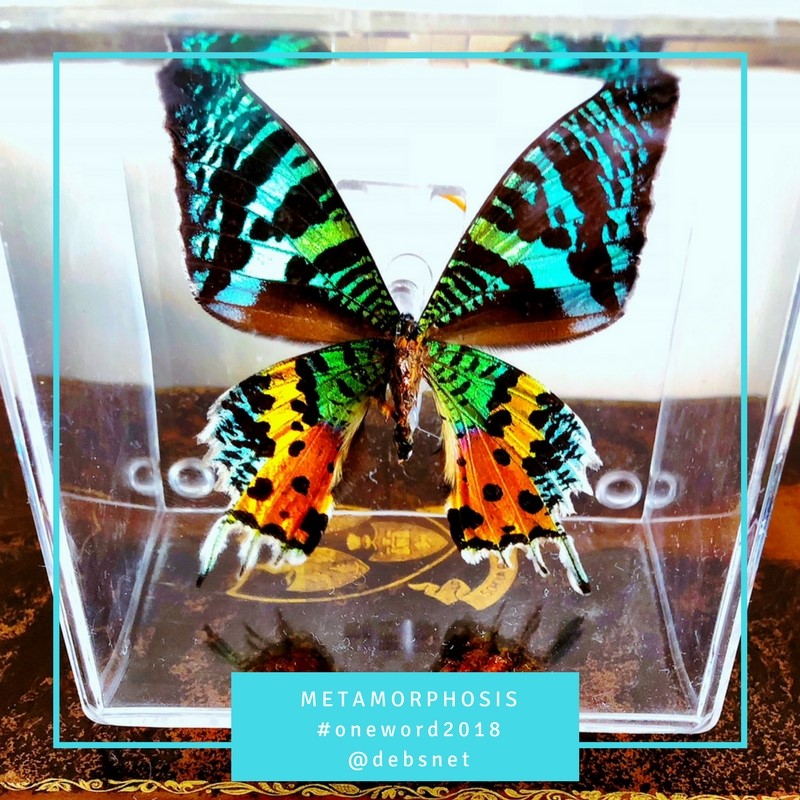
taxidermy butterfly left to me by my scientist grandfather

It’s that time of year when we’re recovering from the holiday season and gearing up, or regenerating, for the new year. It’s a time, often, of reflecting on the year that’s been and planning for the year ahead. For the last few years I have used a ‘oneword’ to clarify my intent for my year. While I sometimes forget the oneword intentionality I have set, especially when life is at its busiest or most pear-shaped, mostly I find that choosing a single word allows me to bring a mindfulness to my year that is based on an essential focus to which it is easy to return across a year.

In 2015 it was CONQUER, as I worked at a ruthless pace to submit my PhD in between parenting my two young children and working 0.8 at my school.

In 2016 it was MOMENTUM, as I tried to capitalise on my PhD through lots of presenting (including at AERA) and writing from my thesis, still in the spaces between life and work.

In 2017 it was NOURISH, as I worked to clarify my work and life by focusing on that which nourished me.

On 2017 …

In 2017 my oneword embodied itself in multiple aspects of my life. As my youngest child entered full-time school, I returned to full-time work that has been nourishing in its focus. That is, I’ve been grateful to spend my time in areas of passion and purpose: teacher professional learning, building a research culture, focusing on staff development, and leading the Library, as well as teaching English.

In 2017 I have said ‘yes’ to projects because they are nourishing experiences for me, or because I have been burning to say something. My formal 2017 publications, for example, have been:

I have also joined the Board at my children’s school, and become a member of Evidence for Learning’s Research Use and Evaluation Committee. These commitments are about contribution, giving back, and making a difference; through them I receive the nourishment that comes from doing something worthwhile.

In 2017 I have spent nourishing time with my family, including a couple of lovely holidays. I have been seeing a new personal trainer whose strength and conditioning sessions have meant that my regular three-day-long headaches seem to have disappeared. Working with him has meant looking after my body, paying more attention to it, and getting stronger.

To 2018 …

2018 is around the corner and I’ve been considering what might be my fundamental intention for a year that already feels like an ending before it has begun. The end of 2018 will mark 10 years since I returned to Australia from the UK. That decade is a time in which I have had my two children, from pregnancy to babies to primary school students. It’s the decade in which I completed my PhD. The end of 2018 will mark a full decade of working at my current school (well and truly my longest ever period of employment). And at the end of next year I will have a zero birthday. The years from 2009-2018 feel like a chrysalis from which I will emerge at the end of next year. (I’m no doubt influenced here by the book I’ve just finished: Stephen and Owen King’s 715-page novel Sleeping Beauties in which women around the world are falling asleep indefinitely and being cocooned in mysterious chrysalides.) This seems a perfect time for looking back and looking forward.

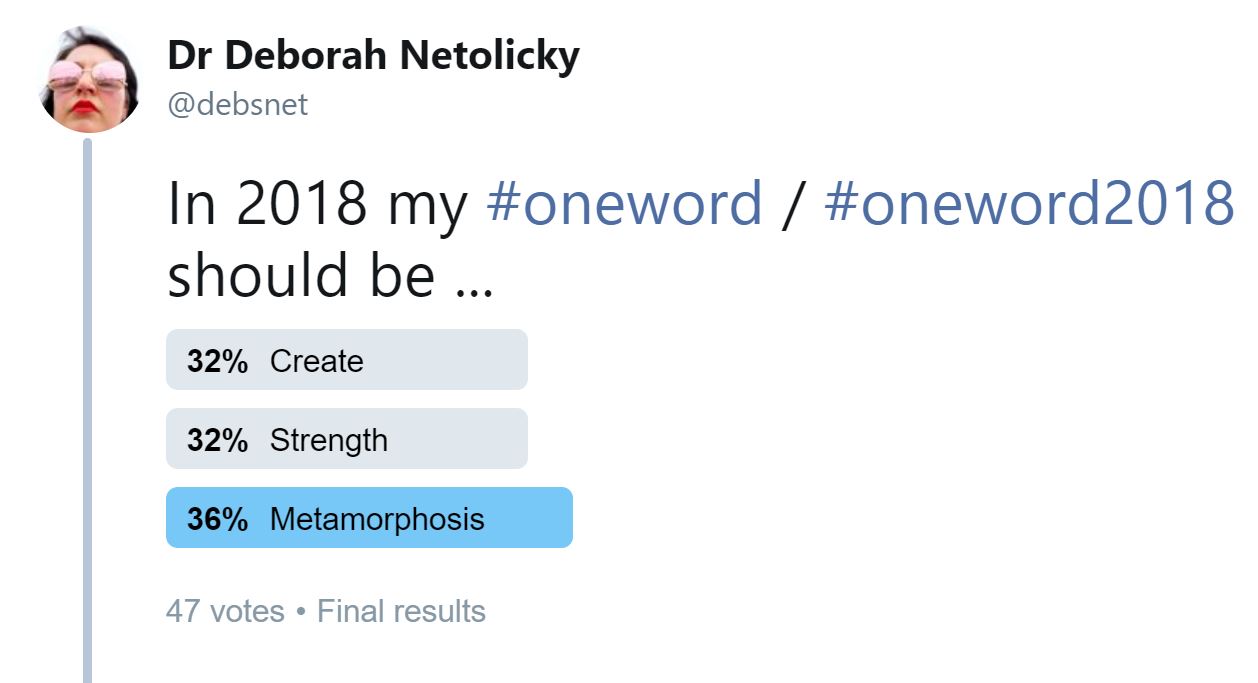
On Twitter it was a close race ….

For 2018 I have considered the word CREATE because I have some projects I’m keen to progress. I have considered STRENGTH because I would benefit from focusing on the strength of my body as well as the strength of my advocacy for others and perhaps for myself. But I am going to tackle a more complex and messy word this year: METAMORPHOSIS.

It’s not that I think 2018 will be filled with transformation. In fact, it’s more likely to be about consolidation and simplification (think Marie Kondo’s KonMari method applied to life, or perhaps Sarah Knight’s life-changing magic of … ahem … figuring out what not to worry about). METAMORPHOSIS isn’t just about change. It isn’t that I think I’ll grow proverbial wings in the space of a year. But it is about development and moving on to another stage. For me that stage is mid-teaching-career, post baby-having, post-PhD stage. It’s time to figure out what ‘mid’ and ‘post’ look like when they are my ‘now’.

METAMORPHOSIS is also about letting go. It is about shedding old skins, old bodies, old habits, old values, old dreams. It is about considering what I want to take into my next decade, and what I’m willing to leave behind. After a few packed but fragmented years, full of simultaneous, competing, overlapping commitments (teaching! school leadership! PhD! academic writing! presenting at conferences! pregnancies! parenting! moving house! all at the same time!), it’s about re-assessing how I am spending my time and considering where it might be that all my endeavour is leading me.

The questions I will ask in 2018 in order to be mindful of METAMORPHOSIS in 2018 are:

  • What might flight, freedom, joy, and purpose look like and feel like for me?
  • How might I imagine the next decade and what might I need to do to get there?
  • What do I want to focus on doing and what can I stop doing, or do less of, in order to fulfil that focus?

Out of office reply

I am on holiday in Penang, Malaysia, spending time with my family and myself.

I have set my automatic out of office reply.

I have turned off my iPhone work email notifications for the first time since I went back to work after my first period of parental leave, six and a half years ago. Perhaps I won’t turn them back on.

I am not going to write an education blog today.

I am going to luxuriate in my present time and place.

I am going to remember that my oneword for 2017 is nourish.

Enough said.

Some of my pics (below) tell a little of our holiday.

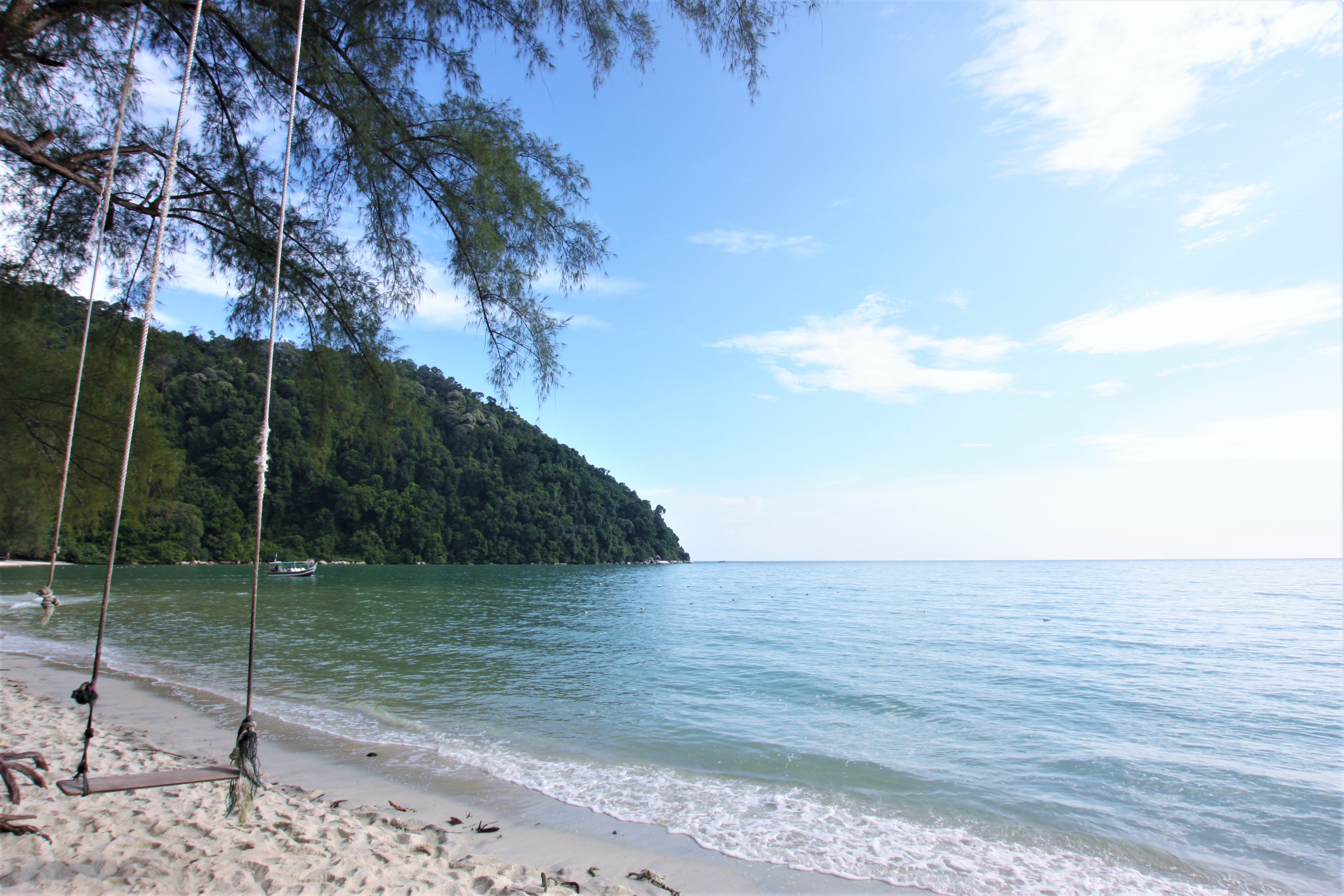
Monkey Beach

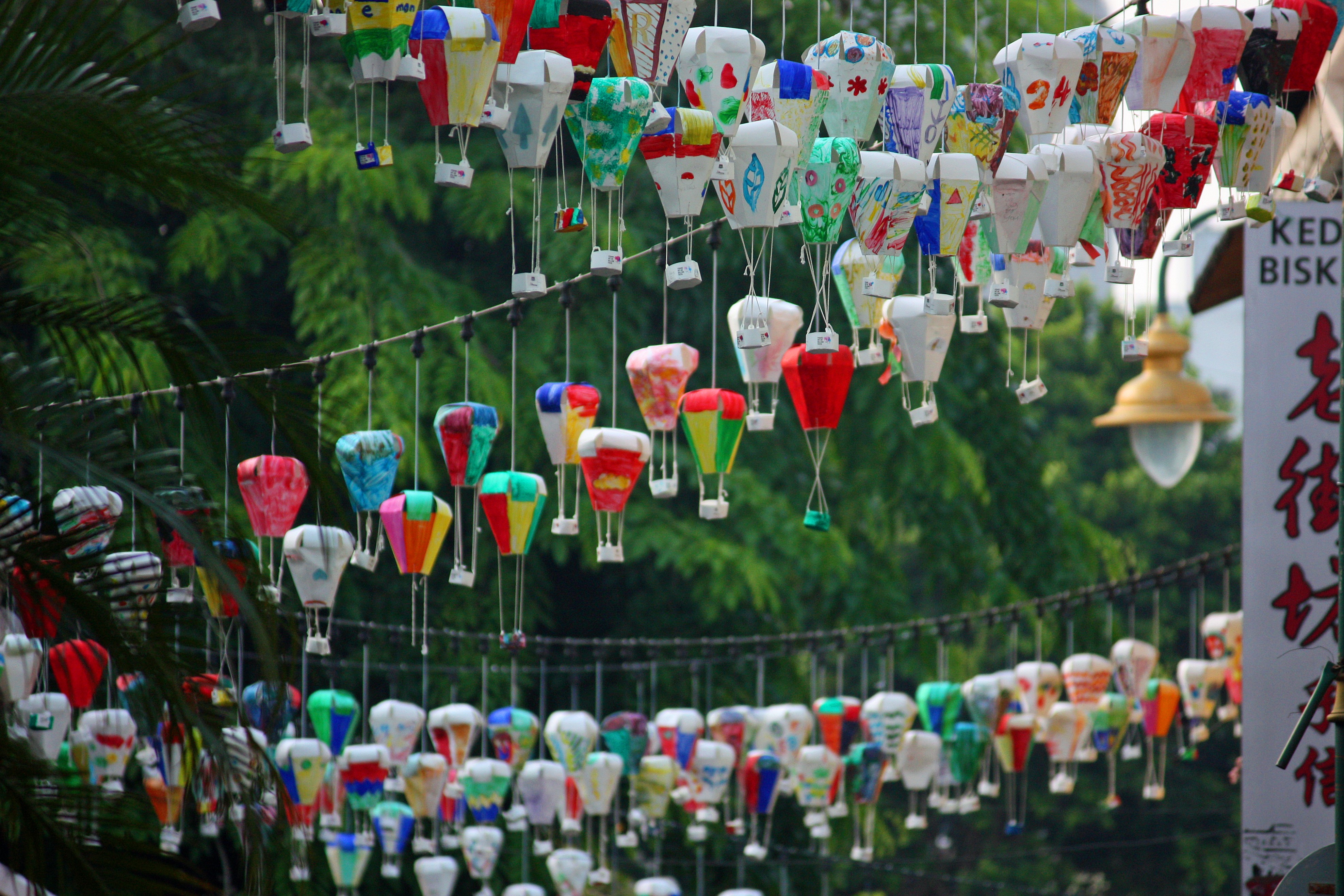
Lanterns on Lebuh Armenian

George Town mural

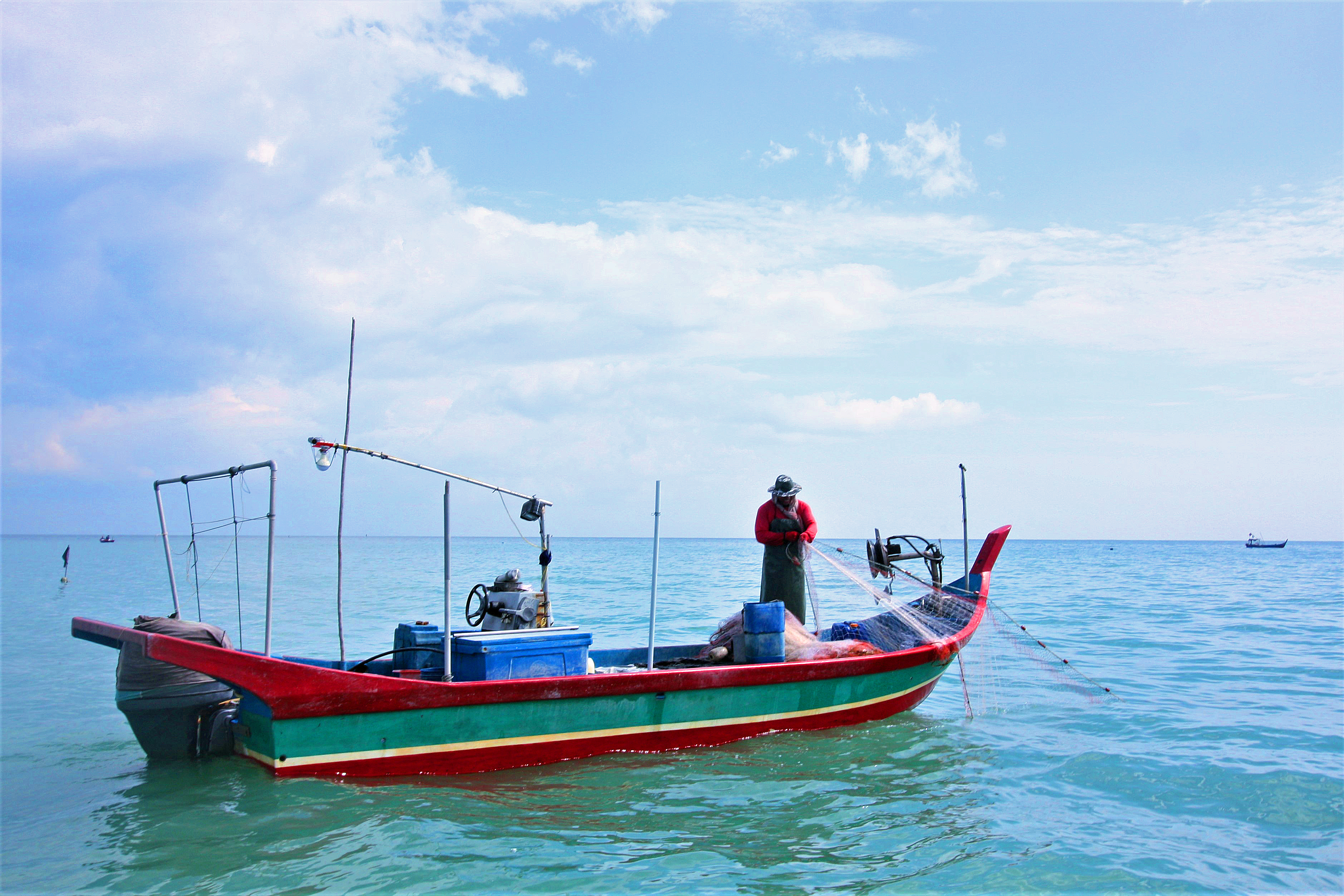
fishing boat

George Town street art

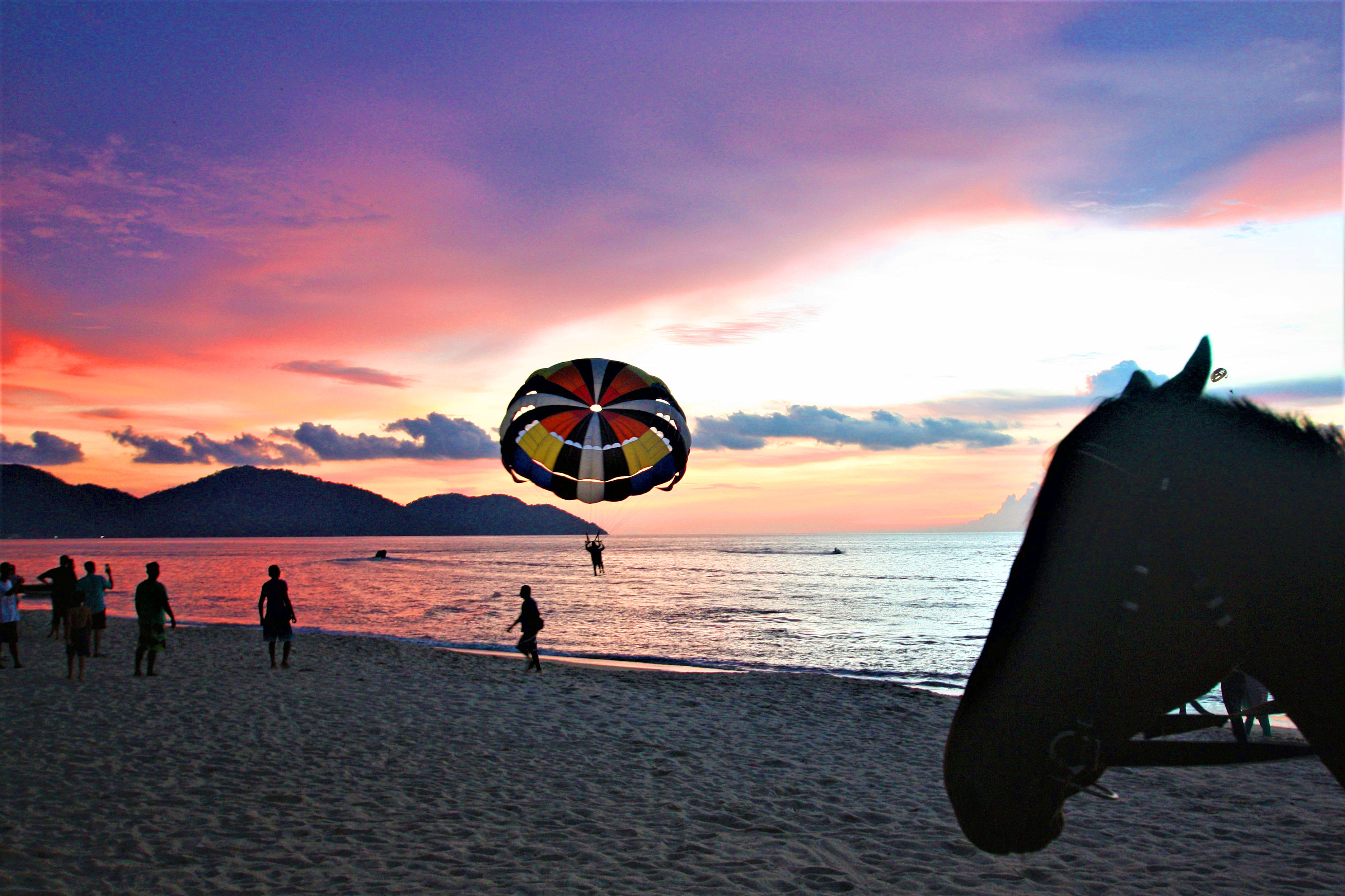
Batu Ferringhi sunset

Taking time to take stock

seeing the wood from the trees (source: pixabay.com)

It is the last day of term. The last day of first semester in Australia. And for me the last day of the first semester of full-time work in seven years, since the birth of my first child.

I spent much of the day pondering a couple of coaching style questions:

  1. As you reflect on the last six months in your role at work, what are some celebrations?; and
  2. Fast forward to the end of the year. What are the things you ideally see as having been achieved, and of what might you need to be mindful in order to get there?

Today I posed these to a couple of people with whom I work closely, and also to myself. These questions are a deliberate tool for looking back and looking forward. They use the aspects of mediative questions recommended by Cognitive Coaching:

  • Plural forms (What are some celebrations …?);
  • Positive presuppositions – the assumption that the person has been successful and has the capacity to reflect on their success (As you reflect …);
  • Tentative language (Of what might you need to be mindful …?); and
  • Open-ended (What are the …?, rather than, Have you …?).

Asking these questions on the last day of first semester was a mechanism for pausing to take stock. Schools move at a cracking pace, and those working in schools are often racing to keep up. Stopping to look back over our shoulder at how far we have come, and in what direction, can help us to realise what we have (or perhaps haven’t) achieved. It can help to anchor us in reality, to consider possibilities, and to re-orient us as we move into the future. I remember doing this from time to time during my PhD: looking back, wondering how I’d come so far, and remembering that it was just by taking one little step at a time.

My own reflections were around a shift in perceptions of my role between the beginning of the year and now. Mine is a new role to the school—Dean of Research and Pedagogy—and in January it felt a bit nebulous. A fuzzy outline of a role. A job description yet to come to life.

I initially spent a lot of time teasing out the crux of what this role was about; its strategy, its deliverables, and how I might gauge my progress in fulfilling its mandate. Looking back at my initial strategic and operational planning is gratifying; most of it has come to life, becoming breath in my work and in the life of the school, on which I can now build.

One of the indicators of how my role has evolved in this short time is the increasing list of those from across the school—from the classroom to the boardroom—who are approaching me for support in their area. I’m especially pleased at some of the unexpected impacts of my work.

Reflecting takes time, but it’s time worth carving out. I was recently reminded that my one word for 2017 was meant to be ‘nourish’. I have lost track of that along the way this year, but am hoping to regain some capacity for nourishment in this coming week when I’m with my family on a South-East Asian island for some time together and some time out.

Engaging the aesthetic

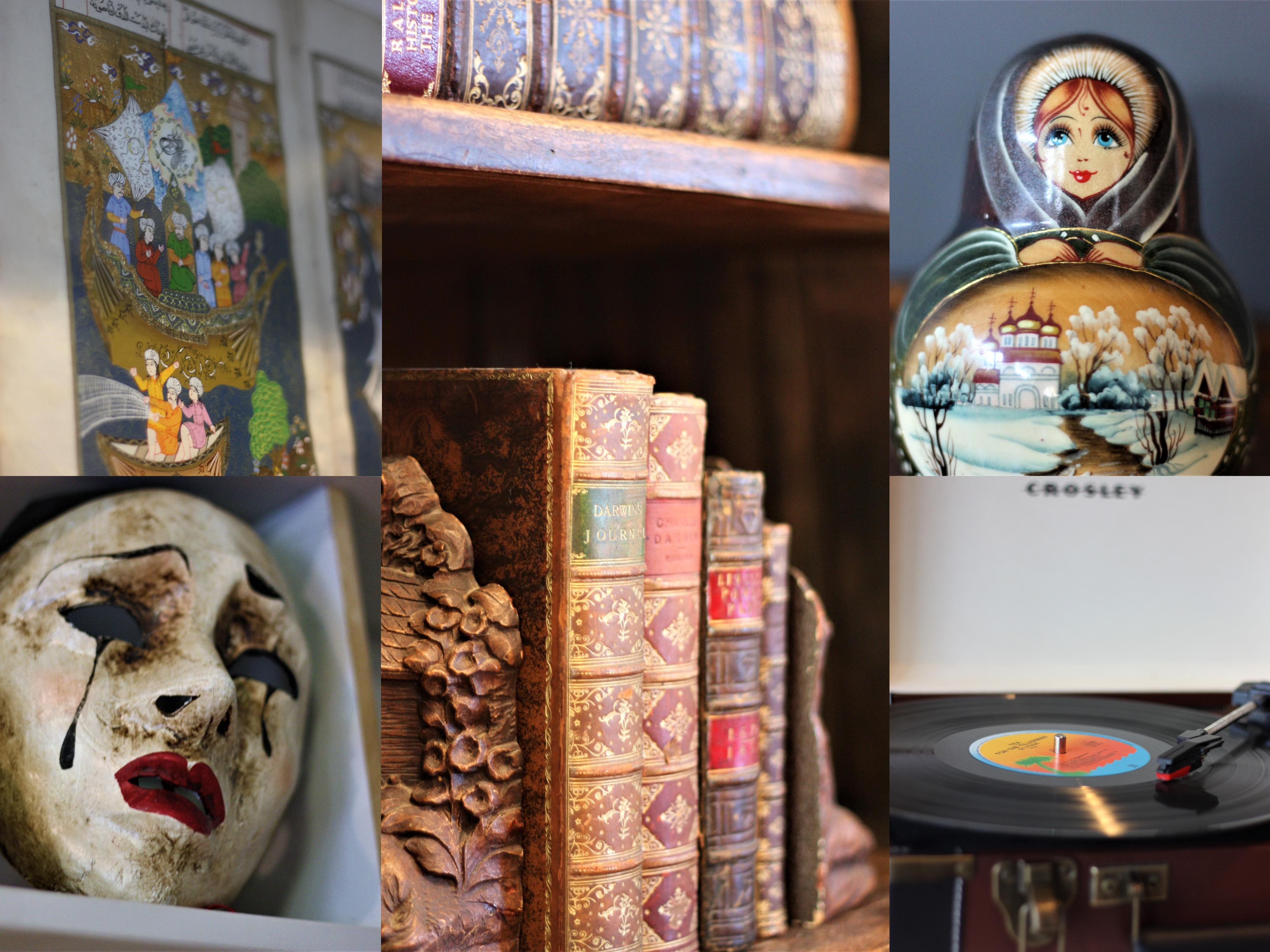
vignettes from home

It is perhaps when our lives are at their most problematic that we are likely to be most receptive to beautiful things. ~ Alain de Botton, The Architecture of Happiness

Aesthetics is concerned with appreciation – of nature, of art, of that which we can experience through our senses. As a philosophy it explores how we perceive and experience beauty. There are studies that have looked at how aspects of aesthetics influence people’s lives. For instance, this one on how the colour of room walls impacts students’ behavior and learning performance in classrooms. Or this one that investigates the impact of hospital aesthetics—such as light, fresh air, nature, colour, sounds, smells and art—on patient wellbeing and recovery.

Like art, which is a culturally-embedded conversation over time, aesthetics is knitted with the fabric of society and culture. Anderson (2014) shows that while harmony and unification have often been seen as important aspects of interior design, this focus can curb individualism and lead to uniformity. She describes the Cult of Beauty of the 1870s and 1880s as “discriminating eclecticism guided by artistic sensibility” (p.345). At this time the homeowner became, according to Edmond de Goncourt, a décorateur or metteur-en-scène; a ‘scene-setter’; an artistic creator of spaces.

In the 19th century, colours and objects were linked to class, social standing and education. Partly as a reaction to mass production of objects and vividly-coloured synthetic fabrics, brightness and shininess were considered garish and distasteful, while subdued secondary or tertiary colours were seen to reveal distinguished taste. With the rare, the exotic and the expensive seen as ‘good taste’, decorating the home was saturated with inflections of societal, cultural and racial superiority.

Aesthetic discourses and disputes continue today. For example, in 2015 the owner of a mansion in Queensland was ordered to undertake an ‘aesthetic overhaul’ after it was found that the architecture was a copy of a unique neighbouring house. This year, a woman was taken to the London high court for painting her Kensington terrace in ‘garish’ candy stripes. People continue to care about the aesthetic experience.

Kyle Chayka challenges us that current aesthetic tropes perpetuate cultural and social divides, describing the ubiquity of reclaimed wood, Edison bulbs, and refurbished industrial lighting (what he calls ‘AirSpace’) as providing ‘familiar, comforting surroundings for a wealthy, mobile elite, who want to feel like they’re visiting somewhere ‘authentic’ while they travel, but who actually just crave more of the same.’ Aesthetics, as it becomes globalised via social media sharing, continues to promote uniformity and entangle with social inequities.

Technology has changed notions of beauty, as well as who can access it. Now, the well-worn patina of an antique rug can be achieved via polypropylene and technology. Found treasures can be upcycled or new leather carefully distressed. A throw on the end of a bed should be artfully flung not neatly folded; it should appear luxurious without seeming to try too hard. Style appears just-so as if by accident.

These days anyone with an Instagram or Pinterest account is an aesthete. The interwebs are full of endless aesthetic noise, constant bombardments of staged and judiciously curated pictures in which the everyday person has become the composer of artistic, filtered images that show snapshots of life. Aesthetics is democratised and commodified in new ways. Influential Instagrammers make money by posting products in carefully cropped snaps. Chompoo Baritone’s photo series shows how real and imperfect details are often omitted in order to create a social media image of beauty.  Lindahl & Öhlund (2013) argue that using images on social media is part of identity marketing and developing a personal brand, and that this is limited and fake, as well as nuanced and expressive. They point to social media aesthetics shaping identities, especially through imitation. As life imitates art, so identity imitates Instagram. Social media allow aesthetics to be accessible across social divides, but also to be manipulated. The aim of uniqueness drowns in a sea of uniformity. There is at once aesthetic individualism and an aesthetic echo chamber of groupthink (or is that groupaesthetics?).

Yes, there are social, cultural, and technological complexities of aesthetics. But in a world in which we are often obsessed by perforance, measurement, fast everything, multi-tasking, and efficiencies, often it’s worth immersing ourselves in the aesthetic of the real, as opposed to the virtual, world. Walking barefoot on grass. Wrapping palms of hands around a warm mug of tea. Watching the sun rise. Listening. Smelling the (actual, paper) pages of a book, feeling them between the pads of fingertips, hearing the swooshing noise they make as they turn. Sinking a vinyl disc onto a record player. Painting. Sewing. Tinkering. Looking and actually seeing. Breathing slow and deep.

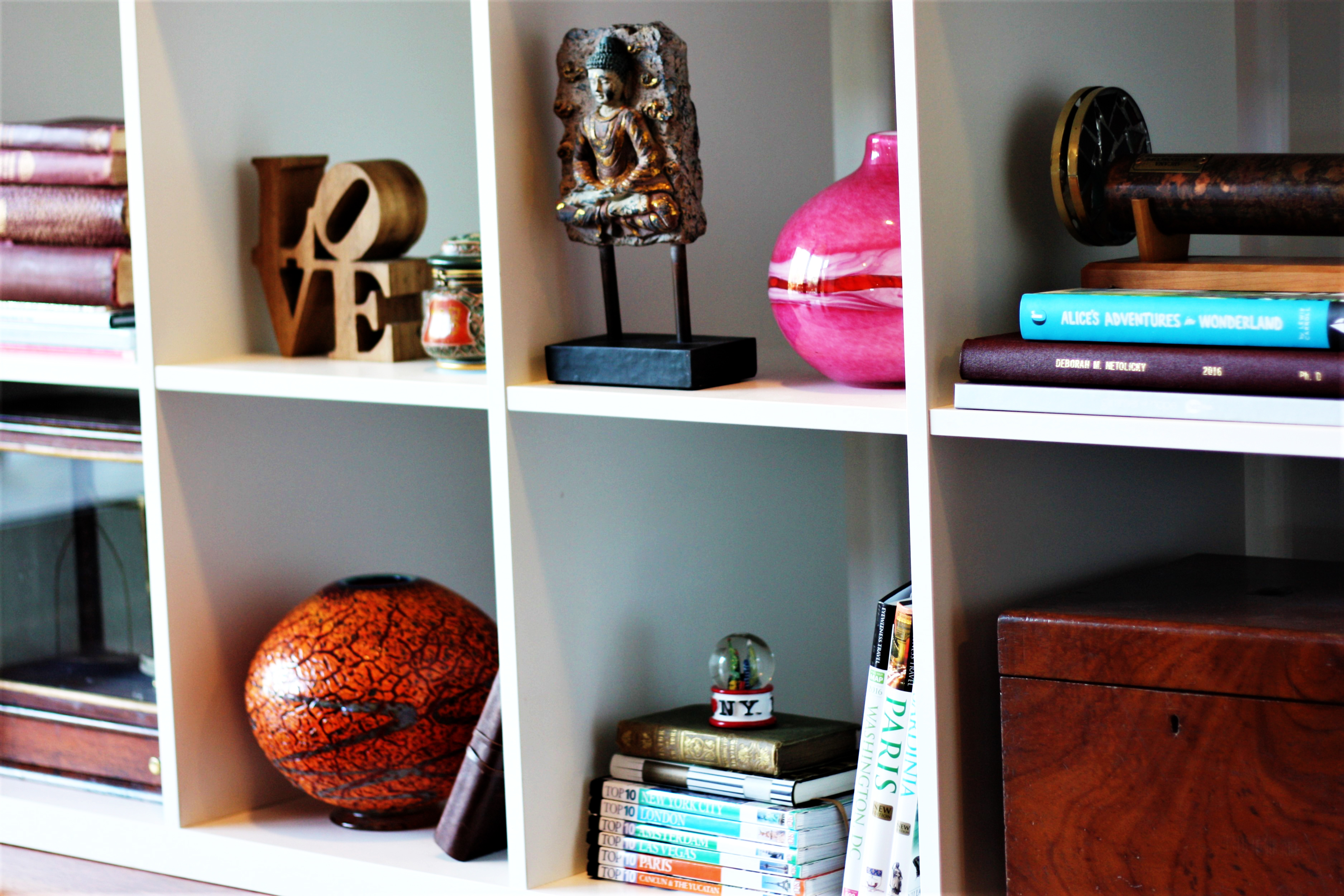
bookshelf mis-en-scène

As I’ve been nesting in my new home, I’ve been pulling tactile objects out of boxes and placing them on shelves. Cutting flowers from my garden, drinking coffee to the sunrise song of local birds, letting my eyes wander over vignettes in nooks and corners. And it’s been giving me pretty big doses of contentment, even while I’m aware of the first world nature of my collections – objets d’art from exotic travel locations, international textiles, inherited antiques and collectibles, lots of books. I know these are the accoutrements of a priveleged life, and yet they tell me stories and bring me joy.

Maybe it’s my Fine Art background or my love of the weird and wonderful, but aesthetics have always been important to me. It causes my husband no end of annoyance that the first thing I like to do on moving into a new home is to hang pictures and place ornaments. (We have moved together seven times, not counting house-sitting or being ‘in between’ homes when we’ve moved interstate or overseas). In any home – whether in a tiny rented London apartment full of Argos goods, or an owned home in Australia, big or small – the aesthetic quality of my surroundings have helped to ground me. As well as providing experiences of colour, texture and light, the way we shape our surroundings encapsulates a story about ourselves and can provide a safe or stimulating place for us to burrow, create, or connect.

References

Anderson, A. (2014). Harmony in the Home: Fashioning the “Model” Artistic Home or Aesthetic House Beautiful through Color and Form. Interiors, 5(3), 341-360.

Caspari, S., Eriksson, K., & Nåden, D. (2011). The importance of aesthetic surroundings: A study interviewing experts within different aesthetic fields. Scandinavian Journal of Caring Sciences, 25(1), 134-142.

Lindahl, G., & Öhlund, M. (2013). Personal branding through imagification in social media: Identity creation and alteration through images (dissertation). Stockholm University.

Yildirim, K., Cagatay, K., & Ayalp, N. (2015). Effect of wall colour on the perception of classrooms. Indoor and Built Environment. Indoor and Built Environment, 24(5), 607-616.

On cognitive load

I’ve been thinking recently about cognitive load theory (CLT), a theory founded by John Sweller in the 1980s. Bear with me. I’m not intending to use seductive sounding terms like ‘cognitive architecture’; or to suggest that I am an expert on CLT; or to delve into discussions about intrinsic, extraneous and germane cognitive load; or to articulate the problems with self-ratings of perceived mental effort. This is more of a loose layperson’s pondering around the effects of the influence of new information on working memory.

CLT posits that human working memory cannot process many new elements at any one time. A couple of weeks ago I moved house and the resulting chaos had me realising the effects of putting a heavy load of novel information onto the working memory. Despite the mundanity of the challenges of moving into a new home (whitegoods don’t fit, furniture doesn’t work spatially, boxes crowd in threateningly, kids don’t sleep well, the house makes strange noises), in the first week at our new place I left my yoga clothes at home once and left my phone at home twice. I was constantly struggling to remember where I had to look to find plates, cling film, toiletries, members of my family. I had no sense of routine or stability.

For me, the mental work of existing somewhere new, without the automaticity that comes with entrenched habit (or, as cognitive load theorists might call it, cognitive schemata in my long term memory) was immense and intense. I felt that I was living in a fog, and existing at about 40% of my usual capacity. The simplest of tasks were arduous, time consuming, and took what seemed like excessive cognitive effort. My husband asked me what was wrong with me; I knew that the relocation had taken my working memory beyond its capacity to cope. I was moving as through wet concrete. I felt displaced.

Now, learning a new house isn’t the same as learning new, complex, domain-specific skills (although I could talk long and hard about the gurgling of the fishpond interrupting sleep, the mental effort required to drive in the right direction home from work, and the impossibility of finding a sensible place for everything in a new kitchen). No doubt there were aspects of my experience that were environmental and affective as well as cognitive. Yet, the disorder and discombobulation I felt in my first week in my new house were a stark reminder of what students might feel when confronted with new content in a classroom with which they are not yet familiar, or with a skill that they might approach without the appropriate embedded prior knowledge and automation required to succeed.

As Greg Thompson has recently blogged (channeling Derrida’s student Bernard Stiegler), writing (like this blog post) can construct a mental prosthesis, a kind of corporeal residue of an experience that, left to the memory, would fade in intensity over time. Unlike Greg in his story of being concussed in Banff, I will have no physical remnants of moving house, nor any of the entertainment value of the story. No doubt soon the uneasiness will fade into that vague unnoticed feeling of being at home in instinctive motion.

In this post on the doctorate I reflect that:

Once we have learned something, we cannot always remember what it was like to not know it, making it difficult to teach or help someone. By (b)logging my writing memories as they happen, perhaps I can archive my not-so-good-at-academic-writing self. Reflecting-on-writing by writing-about-writing – in a kind of meta-writing – helps me to document my academic writing journey. … blogging helps me to have a Hansel-and-Gretel breadcrumb trail back to my less capable self.

As someone becomes more expert, they often ‘black box’ their expertise, as Pamela Hinds explains in her 1999 paper ‘The Curse of Expertise’. Experts are unable to accurately predict the time and difficulty novices need to complete a task. Intermediate learners, Hinds finds, are more helpful for novices as they still remember and understand the problems of being a beginner. This is something I wonder about in terms of academia as well as teaching. Do doctoral supervisors ‘black box’ the PhD or EdD experience? Are they able to break down the steps of the doctorate for their students, or are veteran professors too far removed from the struggle and journey of the neophyte researcher? In a classroom, do teachers expert in their subjects have the capacities to break down the content and skills into accessible enough elements for struggling learners? Can an expert coach can break down the steps of coaching once they have internalised the philosophies, knowledge, and processes? Once the work of the mind is internalised and automated, much mindfulness and precision are needed if we are to teach others. Expertise may be a curse, but my house move has reminded me of the curse of the beginner. I yearn for repetitious automation.

So, as I use the daily practice of living in my new house as a way to build a long term memory schema, I am beginning to relax. Nothing yet feels automatic or fluid—and I still feel the newness and unfamiliarity of my surroundings—but I know that at some point I will forget the uneasy, cognitively prickly effort that came with moving house. I’ll happily float through the new place on auto-pilot, even in the dark of night or the first sleepy moments of the morning.

Being bold, but for what change? #IWD17 #BeBoldForChange

Ms Marvel / Kamala Khan, Muslim-American superhero; source: dailydot.com

Ms Marvel / Kamala Khan, Muslim-American superhero; source: dailydot.com

Wednesday is International Women’s Day, with the theme #BeBoldForChange. While some might argue that there isn’t a need for an IWD, and men’s rights activists might cry, “Where is International Men’s Day?”, there is plenty of evidence that there remains a gender parity problem. Global events such as Brexit and the voting in of the Trump administration suggest that there are a multitude who do not value or champion diversity in gender, sexuality, race, ethnicity or ability.

Pay gaps, inflexible working arrangements, and representation of gender in media, film and the toy aisle, all point towards persistent social beliefs about gender. The wife drought, by Australian political reporter Annabel Crabb, is an excellent read on the ingrained gender disparities in Western society and the ways in which they disadvantage both women and men. Gender inequity is an issue for everyone, as evidenced by the around 2 million people – women, men, girls, boys – who marched around the world in the January Women’s March after Trump’s inauguration.

We live in a world where in the same month (February 2017) the US President can comment that he likes White House female staff to ‘dress like a woman’ and LEGO can release a Women of NASA series of figures to counter the highly gendered representations of girls and women in stores (to join LEGO’s female Legal Justice Team and Bioneers). The Gender Pay Equity Insights report can reveal ongoing gender pay gaps in Australia, and Australian Rules Football can introduce a Women’s League competition. The gender equity dance seems to be one of some steps backward, some inertia, some steps forward, and then a step to the side.

Hidden Figures screen shot source: huffingtonpost.com

Hidden Figures screen shot; source: huffingtonpost.com

The teaching profession is dominated by women, but school leadership globally remains a male-dominated field associated with masculine qualities (Cunneen & Harford, 2016). I work at a school that is co-educational to Year 6, and single-sex boys to Year 12. We have gender balance in our leadership team, but like most schools in Australia with boys in the high school, the title of the principal is ‘Headmaster’, implying that only a man can hold that position.

In my career I have benefited from the generosity of women colleagues who supported me and women leaders who gave of their time and expertise to support me in my growth. Equally, I have profited from the collegiality and support of men who have played pivotal roles in my work and my career. In more recent years, my nerd herd, Twitteratti and Voxer squad have provided diverse global colleagues, coaches and accountability partners. My mentors, coaches, advocates, professional friends and cheerleaders have been so because of their capacity for empathy and their willingness to give of themsleves to others, to pay forward and to reach back. Each has offered me something unique.

Rogue One film still; source: blastr.com

Rogue One film still; source: blastr.com

I have made deliberate choices in my life, reflecting the IWD theme this year of being bold for change. For me, being bold has been to be true to my own intuition about what makes a good parent, a good educator, a good leader and a fulfilled individual capable of being present with her children, present in her work, and occasionally present in her relationship and present with herself. Of course this tenuous balance is not so easily enacted.

For my male high school students, I aim to be an example of empathy, teaching and leadership. For my male children, I aim to be a present, engaged parent who is also engaged in her own pursuit of personal excellence and contribution to a good greater than myself. By modelling an equitable partnership in concert with my husband, I hope our boys will grow up accepting notions of gender parity at home and feeling comfortable to choose paths that suit them as individuals. Teaching, modelling and leading social justice, diversity and equity, at home and at school, can help our students and our children accept these as given.

Ghostbusters promotional image; source: blastr.com

Ghostbusters promotional image; source: blastr.com

Annabel Crabb’s words still ring true for me, even though I read her book three years ago:

The obligation that evolves for working mothers, in particular, is a very precise one; the feeling that one ought to work as if one did not have children, while raising one’s children as if one did not have a job.

There is the constant tension between the obligations of work and home. My inner primal mama bear feels the umbilical tug of my children no matter how far from them I am. Yet there is also the underlying and constant hum of hunger for intellectual stimulation, professional exhilaration and personal challenge. It is the hunger that propelled me back to work after having each of my children, and that led to my doctorate. My PhD—submitted within three years of enrolling and completed while working and parenting two young children—is my most visceral example of being bold for change. As a sustained challenging endeavor, in which life events intervened along the way to make things at times crushingly difficult, it shaped me and made me feel stronger in the struggle and via the conquering.

LEGO's new Women of NASA figures; source: sciencealert.com

LEGO’s new Women of NASA figures; source: sciencealert.com

One of the great challenges for me is, to use an airplane analogy, fitting my own oxygen mask before I can help others. I have learned to prioritise exercise, yoga and self-care as non-negotiables, rather than the first thing to go when life gets busy or an optional add-on. My children, my husband, my students and my colleagues all benefit when I am in one piece physically, emotionally and mentally.

For girls and boys, men and women, being bold for change can mean apologising less or demanding more from ourselves and those around us. It can mean calling out casual sexism at school, work or at social gatherings. It can mean sharing unpopular opinions or having uncomfortable conversations. It can mean advocating for your child’s, your friend’s or your own non-stereotypical choices. It can mean putting yourself first, or making a sacrifice for someone else. It can mean saying ‘no’, or saying ‘yes’.

International Women’s Day provides us all with the opportunity to bring mindfulness to issues of gender, diversity and privelege.

Shepard Fairey's protest posters for the Trump inauguration; source: theverge.com

Shepard Fairey’s protest posters for the Trump inauguration; source: theverge.com

References

Crabb, A. (2014). The wife drought: Why women need wives, and men need lives. Ebury Australia.

Cunneen, M., & Harford, J. (2016). Gender matters: Women’s experiences of the route to principalship in Ireland. In K. Fuller and J. Harford (eds.). Gender and leadership: Women achieving against the odds. Peter Lang.