Spider-web connectivity: Technology for networked learning

Nobody pointed out that the web itself is a miracle. ~ E. B. White, Charlotte’s Web

tangled webs of connectivity; image from Helen Kara http://helenkara.com/2015/07/28/data/

tangled webs of connectivity; image from Helen Kara http://helenkara.com/2015/07/28/data/

This image was passed from Dr Helen Kara to Dr Naomi Barnes, after I had challenged Helen with an image for the #blimage (blog+image) blogging challenge (see how messily interconnected that is?). You can read Helen’s post here and Naomi’s post here. You can see my first #blimage post, with an explanation of the challenge, here.

Helen’s image spoke to me. It reminded me that one of my research participants used the metaphor of the spider’s web to describe the school as organisational web. It is reminiscent of the symmetrical black and white webs in my mandala colouring book. Mostly, it speaks to me of connectedness in education, in our schools and classrooms, but especially through technology and social media.

So the image forms the basis of this post about technology which connects.

The labyrinthine tangle of webs are like snow-flake-like in their perfect imperfection. The wintery stems provide angular anchors for the fragile delicacy of the web strands which stretch and overlap. Some strands extend long distances, while others are strung tightly together. There is symmetry and asymmetry. Strength and vulnerability. Flexibility and rigidity. Beauty and disorder. A clamour and a stillness.

These dewy webs evoke my experience of the professional connections I see and experience through technology and social media. My journey through various tools of connectivity as an educator has been one mirrored by others. Often I adapt before educators in my own school environment, but after those in the global spheres. As this blog approaches its first birthday, I am reflecting on how blogging has transformed my use of social media and my connections with others.

mandala sunburst

mandala sunburst

Twitter has been a place of learning for me since 2009. As with most educators, I began lurking in the background, figuring out what might be in it for me, or consuming information. I moved on to curating others’ content, and then participating in education chats. That is where I stayed for a number of years, although the more chats with which I engaged, the more people with which I connected. The chats were a place for me to participate in conversations. In fact, my favourite part of being in a Twitter chat is when a small group goes off piste into their own tangential conversation. These are moments of connection and engagement, which are epitomic of Twitter’s rhizomatic chaos; its tangle of webs. In one Twitter chat Adriano di Prato and I came up with an accidental concept of ‘leaning environments’, showing the unexpected possibilities of connecting via social media.

(I enjoyed this recent New York Magazine article about why the messiness and “vast confusion” of Twitter should be celebrated.)

Last year, I began this blog as an experiment in blogging, and as a way to log and record my fellowship experiences in New York. My continued blogging has shifted the boundaries of my self and my connections.

Not only does exploring my thoughts and ideas in 600-1000 word blog posts allow me to thrash out and clarify my thinking in more than 140 characters, it also opens up conversations with others who might want to engage with me or with the content of my posts. It is this opening of conversation which has expanded me and my network. My spider-web tendrils reach out and curl together with others’. Some connections are tentative while others are strong. Some traverse long distances while others are at arm’s length.

mandala web

mandala web

As an individual, my blog feels like an extension of myself. Colouring outside the lines of my demarcated self, I share parts of my story, my thinking, my experiences, and my teaching, researching or writing practices. These tendrils of me reach out and entangle with the labyrinth of connection and conversation in the blogosphere. I respond, and am responded to. And so I become absorbed, in part, into the often unpretty cacophonous jumble of thoughts, hyperlinks and voices.

More recently, thanks to the encouragement of Andrea Stringer, I have started using Voxer and I’m loving the immediacy and personal, conversational, collaborative nature of the medium. Right now, I’m involved in different professional learning groups and a doctoral researcher group. Valerie Lewis, who I’ve connected with on Voxer, in this blog post calls her Voxer PLN her ‘Vox Squad’, a kind of A-Team of professional learning and solidarity (‘I pity the fool who doesn’t Vox!’). I’ve introduced Voxer to my students as a collaborative tool for group work, and to my team of coaches as a tool for our collective growth and the ongoing refinement of our practice.

To finish this reflection on connectivity, I’ll leave you with a very different web, as a contrast. Below is a picture I took in Richmond Park when I lived in London. A solitary dew-jewelled web at sunrise. This image doesn’t speaks of connectedness in the same way that the first image of webs does. It shows a beautiful but lonely structure, tenuously clinging to the solidity of the fence posts.

Richmond Park spider web at dawn

Richmond Park spider web at dawn

Which would you rather be? The solitary web or a web in a mess of other webs? A lone voice or one of a cacophony of voices? Are we better alone or together? Can our individual voices be heard in amongst the noise of social media?

if the web were perfectly pre-set,

the spider could

never find

a perfect place to set it in; and

if the web were

perfectly adaptable,

if freedom and possibility were without limit,

the web would

lose its special identity. ~

A. R. Ammons

* Note: this is what happens when I am in the middle of tough PhD work. Lyrical, metaphorical musings and colouring-in become my creative antidote to the hard systematic work of thesis revision.

Is your PhD a love affair or a war story?

I think I can. I think I can. I know I can. ~ The Little Engine that Could

Are you in a PhD romance or a PhD battle?

Are you in a PhD romance or a PhD battle?

What do we tell ourselves about our lives, work and research? In particular what is the private self talk and dominant public discourse around doctoral study?

Helen Kara points out this week that, while there are some positive stories about the doctoral experience, much of what is ‘out there,’ especially in the blogosphere, has a negative bent. She notes that her own experience was positive, and cause for celebration.

A quick scan of research also shows the doctoral experience as fraught with issues of identity uncertainty, imposter syndrome, dissatisfaction, and a mismatch between understandings of students and the actual experience.

The Thesis Whisperer’s – Inger Mewburn’s – upcoming MOOC on surviving the PhD will explore the emotions of the PhD, including confidence, frustration, fear, confusion, curiosity, loneliness, boredom and love. Helen Kara suggests that it’s possible not just to survive a PhD but to enjoy or even love your PhD.

Certainly, that’s been my experience. I’d go as far as to say that my PhD is a love and a privilege. Last year I wrote a guest post for the PhD Talk blog about how passion and purpose drive my PhD. In it, I wrote that ‘I love my thesis’ and that at times I found it joyful. It felt like ‘me time’ in which I could luxuriate in my intellectual passions and development. It was personalised professional learning.

I’ve wondered, is it ok to share my good PhD experience? Does it upset those who have had a hard time or come up against extra obstacles in the PhDverse? Below, I reflect on why my experience has been a positive one, a love affair rather than a war story. It seems to have been partly due to choices I’ve made, and partly due to luck. For me, reading others’ narratives has helped demystify the PhD, so while mine is only one story, it may useful to others. I encourage those with PhD experiences, good and bad, to share their stories, too.

My supervisory relationships, seemingly the subject of much PhD-candidate teeth gnashing, have been positive and without drama. Before enrolling in my research degree I went ‘supervisor shopping’ via email and phone. When considering the responses of university professors, I avoided those professors who seemed interested in controlling my research or ideas, and those who, while willing to take me on, seemed ambivalent about what I was thinking about doing. I found one supervisor who showed generosity, genuine interest in me and my research idea, and seemed to think I was potentially capable of what the degree entailed. Winner! My primary supervisor then helped me to find a complementary secondary supervisor.

So, I did make clear choices in how I went about finding a supervisor, but I have also been lucky that my supervisors have been consistently and equally involved in my PhD work, that they both always come to meetings unless one is away, and that they have been supportive of my ideas, even when those ideas seem a bit on the side of academic crazy. Rather than telling me I can’t do something, they challenge me to provide a rationale or supporting theory. Rather than criticising my work, they push me into a space of nurtured discomfort in which I can struggle into growth. There’s nothing better than the feeling of a PhD break down which turns into a PhD break through!

Choosing a local university rather than one at long distance has turned out to be a good choice for me. I wasn’t sure when I started my degree if I really needed to be in the same city as my supervisors. In fact, at the beginning we used technology such as Skype to hold some meetings, as at times I struggled to get time out from my very small children to get to uni. I remember at least one supervisory meeting at the university during which I had my two kids in a pram. It has turned out to be in face to face meetings where I have made the most progress and gained the most understanding, so I’m glad I chose a local university.

I’ve also chosen to take responsibility for my study and actively manage my PhD. While my supervisors are there to guide me, I figured out pretty quickly that I was the one who needed to not only do the work, but also suggest or set the deadlines, milestones, meeting times, chase up paperwork, and ask clearly for what I needed.

The other choice I made which seems to have worked for me is the topic of my thesis. I chose something do-able and something about which I was passionate. My sometimes obsessive passion for my topic has meant that I am happy to be immersed in it. The do-ability of my project has meant that it’s been a realistic project within the PhD time frame. I didn’t try to wrestle with too much. I have found interesting tangents and managed to put them to one side. For the most part. I had a clear idea for my project going in, which meant I was able to present my research proposal within two months of enrolling. My progress since then has been pretty linear, although I have had some times of particular personal difficulty across my candidature, and peaks and troughs of productivity.

I agree with Helen Kara that self care is a vital part of the PhD. Sometimes you need to give yourself permission to take a break. Sometimes you need a writing retreat. Sometimes you need to say no to study and yes to you.

I have signed up for the Thesis Whisperer’s EdX MOOC, not because I feel I need it to complete my PhD journey, as I’m looking to submit in October, about three years since I began. Rather, it’s because I see that being part of a MOOC community around the PhD experience is, like engaging on Twitter and social media, an antidote to PhD isolation. (Isolation is certainly something I’ve experienced, as a student who is also working almost full time and parenting two young kids. I’m lucky if I have time to get a takeaway coffee when I duck into uni for a supervisory meeting or a quick trip to the library. I haven’t connected with a single other student at my university due to my work schedule.) I also wonder if I might be able to help others at an earlier stage in their PhD journey by being involved in the MOOC.

While I have found the PhD to be hard work, it has been deliciously, brain-bendingly so. I think it has to be if it is to be something which transforms us and the way we think, read and write. Of course, no PhD is without tough times, difficult problems to solve and moments of being overwhelmed. I have had my identity crises, but I have loved my PhD experience thus far, and now I can taste the end! (If you are at the beginning and want to see my thoughts on what to consider when starting your doctoral journey, they are here.)

I wonder if we can associate the following quote with PhD study as well as travel. For me, the PhD has allowed me to both lose and find myself, to reimagine and reinvigorate my learning, and to contribute to global academic conversations. Is your PhD a love affair or a war story?

We travel [research?], initially, to lose ourselves; and we travel, next, to find ourselves. We travel to open our hearts and eyes and learn more about the world than our newspapers will accommodate. We travel to bring what little we can, in our ignorance and knowledge, to those parts of the world whose riches are differently dispersed. And we travel, in essence, to become young fools again – to slow time down and be taken in, and fall in love once more. ~ Pico Iyer

Observation to transformation: The power of classroom data for teacher growth

What we see depends mainly on what we look for. ~ John Lubbock

In my posts about my school’s teacher growth model, a growth-focused coaching initiative which sits alongside other professional development and evaluation work at the school, I have tended to focus of our use of Cognitive Coaching and the Danielson Framework for Teaching. As our model is being implemented this year, however, another aspect of the process is emerging as transformative in its own right: classroom data.

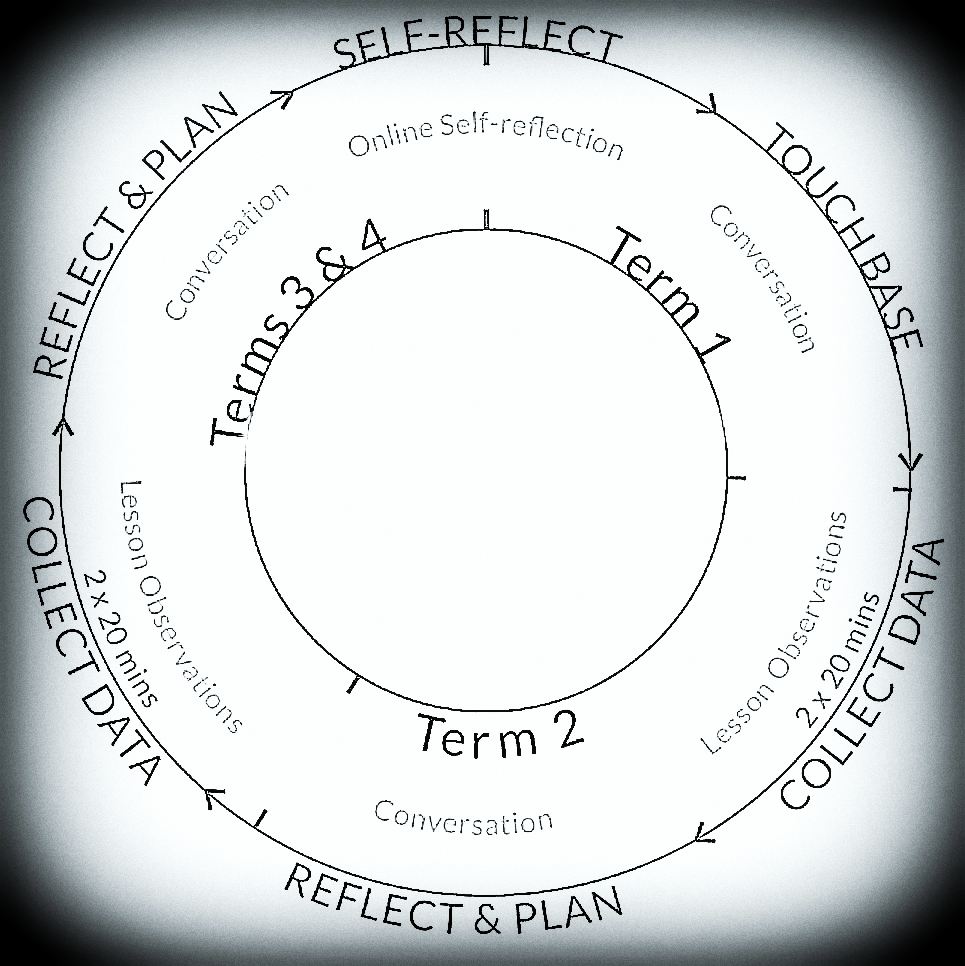
To explain how we use data in our collaborative coaching cycle, a one-year cycle looks like this:

a visual look at our coaching-observation cycle

a visual look at our coaching-observation cycle

  1. Self-reflect: Complete self-reflection against Danielson Framework for Teaching.
  2. Touch base: Pre conference with Teacher-Coach, identifying possible foci, deciding on type of lesson data to be collected.
  3. Collect data: 2 x 20 minute observations.
  4. Reflect & Plan: Post conference with Teacher-Coach following the Cognitive Coaching reflecting-into-planning conversation map and using Danielson Framework for Teaching.
  5. Repeat 2, 3 and 4.
  6. Self-reflect: Complete self-reflection against Danielson Framework for Teaching.

In this post, I would like to focus on Step 3, data generation.

You’ll notice that we use multiple short observations and the Danielson Framework for Teaching, as supported by the findings of the Measures of Effective Teaching study. A number of short observations mean that teachers build up a series of snapshots of the kinds of lessons in their classrooms, liberating them from feeling like ‘this 20 minutes is representative of all of my teaching all of the time.’ It is a moment in time on which to reflect.

*               *               *

What classroom data is generated?

Generating lesson data is a crucial part of our coaching teacher growth model. While all teachers are expected to have classroom data collected for the purposes of their reflection on practice, this is differentiated in the sense that the teacher decides what sort of data will be collected, depending on what they would like to know about their lessons. Below are the main types of lesson data we have been using.

Non-inferential observation notes

These notes usually look like verbatim scripting. That is, the observer takes down what they see and hear in a lesson. No judgements. No praise. No criticism. Just observed sights and described sounds. They include times and may also include mapping of students or classroom movement. Our coaches are trained in this kind of observation note taking. It can be challenging to take self and own biases out of lesson data, leaving just what happened for the teacher to do their own reflections and evaluations.

Observation notes are useful for looking at instructional clarity, questioning, student discussion and student group or individual work. In the case of the latter, the observer may go to students or groups and observe them or interact with them, recording interaction and responses. This means that observers can record those parts of the classroom where teachers are not. It also means that an in-class observer can glean details of student work and conversation which a video would not pick up.

A caution about this kind of note taking is that the observer bias does appear in what the observer chooses to take down. For instance, in a fast paced classroom discussion, often an observer needs to make a choice between capturing the teacher’s or the students’ responses.

The benefit of notes is that the run of the lesson is written down in black and white, without the distractions of watching multiple elements in a video.

Video

We have a few video options available to teachers for the purposes of lesson data collection. Still video. 360 degree video. SWIVL video. These each have their pros and cons, and require choices to be made, such as whose audio is picked up, or whose movement is tracked.

The 360 degree video is a more obvious piece of equipment in the classroom, but it simultaneously shows teacher and students. The SWIVL makes it easy for teachers to collect data on their iPhone or iPad, but as the camera follows the audio lanyard it privileges the person wearing it, usually the teacher.

Video is great for teachers wanting to see their own teaching, including movement and wait times. Our Physical Education, Music and Languages teachers love it, but so do those in other learning areas and various year levels.

Audio

Some teachers want laser like focus on what is said in their classrooms. They are keen to listen closely to their questioning or instructional clarity, and to their students’ responses, for instance. Like verbatim scripting, by isolating audio, teachers can pick up on very specific aspects of their teaching, although others will be missed.

*               *               *

Supplementary data include planning documents, goals and reflections, student work samples, student feedback and student achievement data. All data have their inherent biases, benefits and disadvantages. We are finding that mixing up the data so that teachers experience their classrooms in a variety of ways may be more effective than continually repeating the same data collection strategy for the same teacher.

Importantly, all data are owned exclusively by the teacher for their reflection and use. They are not for coaches or managers to use or publicise outside of the coach-coachee relationship. Focus groups with coached teachers at the school have revealed that teachers appreciate the choice and ownership over their classroom data. The trust in the coach-coachee relationship is paramount.by @debsnet

So while I have been focusing my own practice on refining my coaching skills, something else has been happening alongside. The data has been a tool for teacher learning and development, both in its own right and as part of the coaching cycle.

I’ve noticed that when, as coach, I get the data right, the conversation seems to almost take care of itself. The data, in these cases, has set off the teacher’s thinking, reflection, planning and action, before I turn up for the post conference.

In other conversations, looking at the data in detail, with well-crafted questions, can bring teachers to the point of an ‘a-ha’ moment or a change in practice. At times it is looking closely at the Danielson Framework for Teaching rubrics which allows teachers to see alternative teaching and learning possibilities, and refines their precision of language around practice. Other conversations require deeper coaching questions which drill into why lessons went the way they did, how teachers made decisions in their classrooms, what criteria they used to make those decisions, or what might have be going on for particular students in the lesson.

The data also provide an important ‘third party’ in the coaching conversation, allowing the conversation to be depersonalised and focused on the data, not the person.

Data is powerful stuff. And lesson data ‘done right’ – owned by the teacher, objective and giving the teacher a new perspective on their classroom, themselves and their students – can be transformative.

Good One, by @debsnet

Thinking about doctoral study? How to get started.

The possession of knowledge does not kill the sense of wonder and mystery. There is always more mystery. ~ Anaïs Nin

thinking of opening the PhD door? ~ Oia, Santorini

thinking of opening the doctoral door? ~ Oia, Santorini

In response to a number of questions from friends and colleagues about how to get started on a doctorate, I’ve written this blog post. It deals with what to consider when starting on your doctoral journey, and a bit about my story and how I went about it.

Remember that each person who is doing or has done a doctorate (including your supervisors!) has only done one. We will each base our recommendations on our singular experience, although supervisors have the additional experiences of guiding and examining doctoral students. My experience is not your experience, but it has been positive, and I would wish that for anyone taking on the doctoral thesis beast.

PhD or EdD?

The boundaries between doctoral degrees seem blurry to me, but my understanding is that the PhD is seen as the more academic qualification and the EdD is seen as the more professional qualification. The EdD is apparently about knowledge for and in practice, of more relevance to practitioners in the world of schools, whereas the PhD is seen as focused on the theoretical, of more relevance to those in the academe.

It seems, though, in Education, that many PhDs are undertaken by practitioners, around their own practice, and with practical implications. And I can’t imagine a school leadership appointment being affected by the Ed/Ph difference. So I’m not entirely sure why the distinction is necessary (apart from that Harvard started the professional doctorate trend and everyone else got on board). Please, someone, enlighten me!

From a course-content viewpoint, in universities local to me, the EdD has both coursework and (smaller than PhD) dissertation, while the PhD is a pure research degree with no coursework components. This means that an EdD candidate is required to turn up at courses, intended to help them prepare for the scholarly work of the dissertation, while a PhD candidate is not. In this way, the EdD candidate is provided with more formal support, as their coursework is usually done in preparation for their research project/s.

When I enrolled in my degree, I had a 6 month old and a 2 year old, and shortly after enrolling I went back to work, so coursework for which I needed to be in a particular place at a particular time did not work for me. My circumstances were more suited to doing my research in flexi times, often late at night or while children slept. While I was an educator not thinking about a job in the academy, as a book-and-writing-loving nerd I happily committed to the Doctor of Philosophy.

From a financial perspective, Australian citizens or permanent residents studying their doctorate (professional or PhD) in Australia are currently not required to pay fees (except the usual university student fees). These higher degrees are subsidised by the Research Training Scheme (RTS), although this may change from 2016. A funded RTS place is granted for four years’ full-time study equivalent, so it doesn’t go on forever!

The Doctor of Philosophy / Doctor of Education choice is worth thinking about from your own perspective. Where are you coming from? What are your circumstances? Where do you want your study to take you? Would you benefit from some coursework to kick start your degree, and a smaller thesis to manage?

Talk to people who’ve done both options. Talk to academics and university offices. Talk to school leaders. Talk to potential supervisors. Ask the Twitterverse or the blogosphere. Figure out your best option.

PhD by ‘big book’ or ‘publication’

If undertaking a PhD, it is worth thinking from the outset about whether you want to prepare a ‘big book’ thesis, or take the option of ‘thesis by publication’ in which your thesis includes a series of papers, some of which are published and which can be co-authored. These papers would stand alone, but also be tied together in the thesis by an introduction and conclusion in which you explain how they work together for your research purposes.

While the ‘by paper’ option is increasingly popular, I chose the big book variety as I conceptualised my study as a whole narrative. While I have been writing conference papers and journal articles from my thesis material, I did not want my thesis to be a collection of papers, which felt disjointed to me. I envisaged (I had a dream!) my thesis as a holistic magnum opus which would bend my mind and test the limits of my researcherly readerly writerly thinkerly muscles. A little theatrical, but it was my choice, and it has suited me. I’m sure it would be some people’s idea of a nightmare!

To help you make your decision about the big book vs. the publications, you might find these blog posts useful:

How to get started? Local university or the perfect supervisor at a remote campus?

Apart from you, I think the most important thing to help you complete your doctorate is a good supervisory relationship. It’s worth thinking about who and where your supervisors might be. My university required me to have two supervisors before I enrolled so this was an early decision; you forge this relationship before you begin.

You might know some academics who can steer you towards appropriate supervisors. I didn’t, so performed a combination of cyber stalking and cold calling. I looked at academics’ profiles and publications at local universities, and sent emails to the Deans of Education and HDR officers, and/or to individual professors. My email included an introduction and a brief outline of my idea for my study, as well as an attached curriculum vitae.

After receiving a number of positive replies, I ended up going with the person who showed the most genuine interest and excitement in me and my project. That supervisor then helped to find a second supervisor who was complementary. These two individuals have been wonderful for me. I have no dramatic personal stories of supervisory angst or neglect. My supervisors have provided me with a thoughtful combination of encouragement and critique, comfort and discomfort. They have allowed me to walk my own path and shape my research into something in which I believe. When I have suggested left-of-field ideas they have provided challenge, but also the space for me to argue my case and provide a rationale that will stand up to the academy, and then cheered as I carved out my space as a researcher.

Amber Davis has recently penned some good tips for being supervised. I agree with her that supervisors are very busy academics, often under many pressures. As a PhD candidate I see the responsibility for managing my project as up to me. They help me through it as advisors, mentors and colleagues (there is a point in the PhD when supervision starts to feel more like a peer-to-peer process), but I need to have ownership and drive my own study as researcher.

My experience of supervision at a local university is that the face-to-face meetings have been an important aspect of my PhD experience and have often propelled me forward. While we have used Skype, Google Docs, Dropbox and email to supplement face to face interaction, I am glad I chose to be supervised at a university in my own city, as the person-to-person interaction has borne the most powerful feedback and progress.

Choose your path

So I chose to study a PhD via a big book thesis at a local university. Mine is one set of choices and experiences. I would love to hear other stories and other perspectives.

Good luck with your doctoral travels, however they may begin and wherever they may lead you!

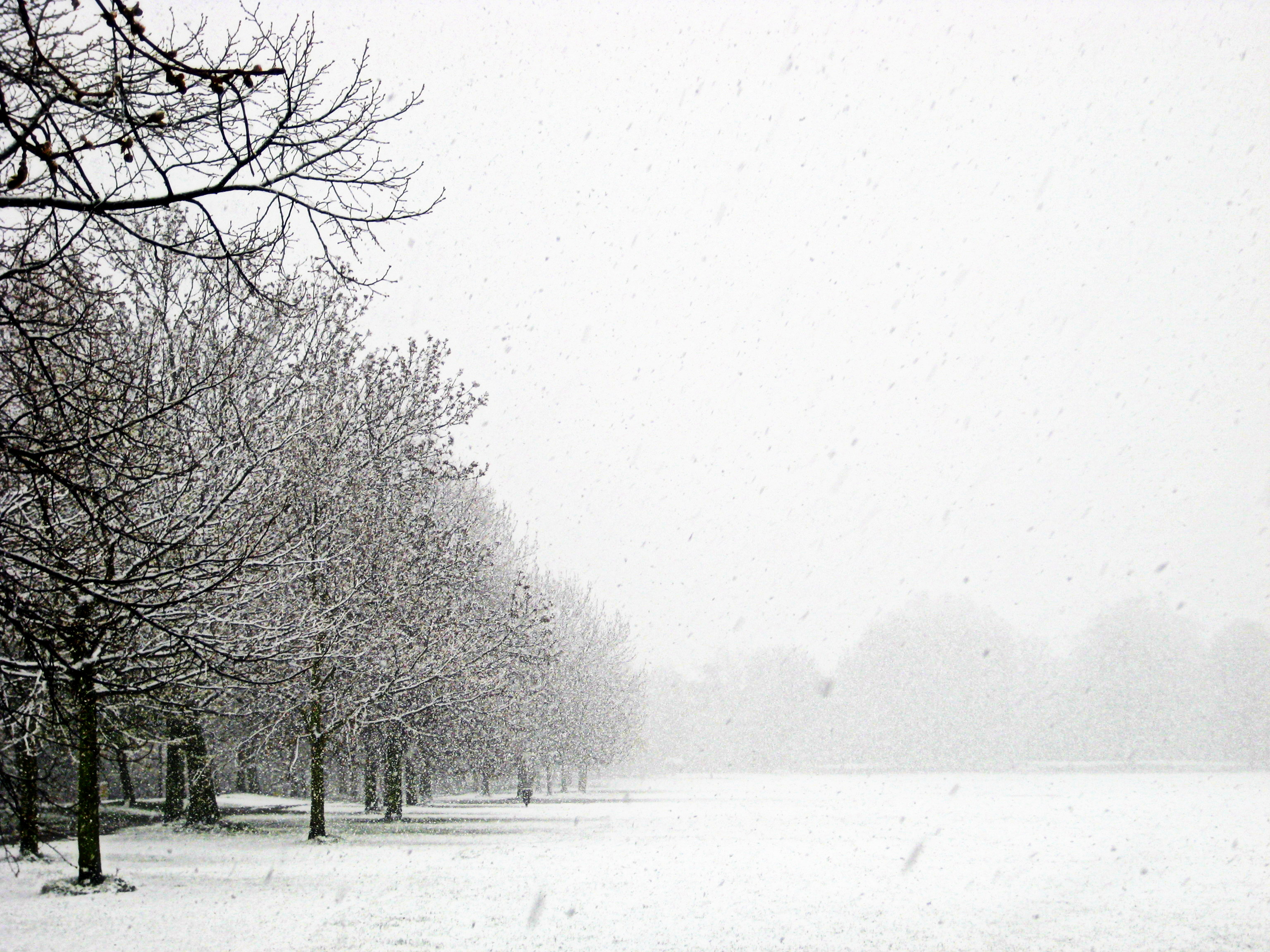
traversing the PhD road? ~ London in the snow

traversing the doctoral road? ~ London in the snow

Balance, not division. Compassion, not attack. Conversation, not war.

Compassion is not a relationship between the healer and the wounded. It’s a relationship between equals. Only when we know our own darkness well can we be present with the darkness of others. Compassion becomes real when we recognize our shared humanity. ~ Pema Chödrön

by @debsnet

Often I am struck by argumentative battles in traditional media, on social media and around the blogosphere. I appreciate those writers, commentators and educators who share their musings, experiences, readings, and perspectives, without using divisive loaded language or attack. I think the rantiest I have gotten was this post on the APPR reforms in New York and this one around whether teachers can be researchers, but I attempted to frame my criticism through making transparent my perspective and asking clarifying questions. Balance.

I have written a lot about my school’s coaching model, as it is kind of my baby and it’s something which I think is worth sharing; others might gain from hearing our story. Yet this coaching model is not stand alone. It is not as though teachers at my school are only coached by teacher-coaches in a non-evaluative, non-hierarchical model. In their first year at the school, teachers participate in a rigorous evaluative permanency process. Every year they have a conversation with their line manager, who touches base with them on their work, goals and classroom practice. Every third year, teachers have their coaching cycle with their manager. This is more evaluative and performative by its nature, and by the nature of the relationship. Teachers additionally work with instructional consultants. Leaders work with coaches. Professional learning community teams and action research projects work alongside. Growth and evaluation. Balance.

I have written about the creative things I trial in my classroom like a term without grades and genius hour for students and teachers. These are things at the experimental end of the spectrum of what happens in my lessons, so I share them as stories of experience and part of a conversation. I do these things to develop engagement of my often-reluctant high school English students, to build their self-efficacy and to help them learn to rely on themselves as drivers of learning, rather than entirely on me as Teacher with a capital T.

Does that mean I don’t use explicit instruction? Of course not! I explicitly teach concepts, skills and texts, although I temper this with encouraging students to do their own thinking and to trust their own thinking, rather than expecting that I can fill them, as vessels, with the answers. What are the ideas of the text? What interpretations might be drawn? Answers can come from me or from Spark Notes, but if I do my job properly, students will have the skills, understandings, language and cognitive capacity to draw their own interpretations, from their own contexts, and justify these using logic and evidence. The best student responses comprise original thinking, not regurgitated knowledge. The best teachers focus not just on effective learning (our core business, of course!) but developing learners and passion for consuming, curating and creating knowledge.

In my Head of English roles at three schools I have ensured a balance between explicit instruction and those strategies which propel love of reading, power in writing and deep intellectual engagement in ideas and discussion. Interestingly, Charlotte Danielson’s heavily-researched Framework for Teaching has its ‘proficient’ descriptors describing teaching which is expertly directed by the teacher, and its ‘distinguished’ teaching descriptors outlining lessons in which students are taking responsibility for their own learning and behaviour. Creative and explicit. Balance.

I have written about lyrical metaphors for PhD study, and only occasionally about the unsexy logistics of what the graft actually looks like. My conceptual framework draws in part from fictional literature. Does this mean my PhD is devoid of hard, critical, scientific work? No. My PhD is of course the result of the logical, systematic working through of literature, data and research problems. When writing the Limitations section in the conclusion of my thesis I was highly aware that all research has its limitations. Extensive quantitative data can show us patterns and effects, but these may be faceless. Qualitative data can drill down deep into the messy humanness of lived experience which may be unrepresentative of wider groups and therefore not generalizable. Yet each study adds its tiny piece of understanding to the layers of what is known. Research is conversation. Imaginative and systematic. Broad and deep. Balance.

I would love to use the line ‘I’m a lover not a fighter’ but I think I’m both. I believe in sharing and celebrating our stories, but I will advocate fiercely for my students, fight for what I believe is right and argue for my research. Balance.

From a history of my posts, it is probably clear that I am seduced by the lyrical, by storytelling, by creative approaches and by metaphor. Yet I am not one dimensional. Nor is my teaching, my thinking, my researching or my living. Balance.

I came across this excellent recent TED talk from Jon Ronson on the way social media has moved from giving voices to the voiceless, to an angry mob mentality of shaming and abuse, in which people seem to forget compassion and morality.

While I love robust discussions which take us out of the echo chamber of we-all-agree-high-fiving, I also think we need to approach these with compassion, thoughtfulness and a view of each other as human beings. We can disrupt with respect. We can disagree gracefully. We can advocate with civility. (And if you throw in a metaphor, you’ll totally have me!)

by @debsnet

Revising writing: Lessons from the PhD thesis

The more you leave out, the more you highlight what you leave in. ~ Henry Green

Musée d’Orsay clock - the neverending tick tick of the PhD

Musée d’Orsay clock – the neverending tick tick of the PhD

The PhD is a long journey which seemingly goes on infinitely. Just as the doctoral researcher reaches one summit or one horizon, another appears. It’s easy to feel like there is little time to stop at each point, take a breath, enjoy the view, and look at how far we’ve come. Usually the researcher straightens her shoulders beneath her rucksack and begins trudging up the next slope. (Or is it skipping up the slope? Storming the incline? I don’t want my language to be too negative. I love my PhD but its hard work is part of its transformativity.)

This weekend I hit a point in my PhD which I decided warranted celebration. 2 years and 9 months after enrolling, I sent my revised full thesis draft to my principal supervisor.

There are still revisions to go and work to do (of course) but making my way through the full text to the point where I felt it hung together as a whole, felt like a summit worth stopping at. Sitting on a rock, taking a peanut butter sandwich out of my pack and reflecting on the path I’ve traversed so far. (Ok, peanut butter sandwiches are not my culinary celebratory choice; I went out with friends for lychee martinis.)

Gullfoss waterfall ~ take time to pause, reflect & see how far you've come

Gullfoss waterfall after a blizzard ~ take time to pause, reflect & see how far you’ve come

So, how did the revisions go?

To give some context, my qualitative PhD has 10 chapters which roughly cover: 1) Introduction; 2) Literature Review; 3) Research Question; 4) Methodology; 5) Method; 6) Data/Story/Findings #1; 7) Data/Story/Findings #2; 8) Data/Story/Findings #3; 9) Discussion; and 10) Conclusion. The review of literature covers my three studied phenomena, plus a contextual issue. The narrative data chapters are split into three chapters, one story for each group of participants.

When I finished the first full unrevised draft, I sent my supervisors Chapters 9 and 10. After the consequent supervision meeting, I revised these. That way, I had the end in mind when I went back to the Introduction. I could see the beginning and end as matching book ends to be viewed together.

Revision from the start of the text began on my PhD writing (well, revision) retreat, which got me into a revision routine and mindset.

My revision system was: take a hard copy chapter and make annotated revisions -> go back to the Word document and make revisions, highlighting any sections of text that still felt rough, or that I hadn’t yet ‘solved’ -> go to next chapter. I worked through from chapters 1 to 10 like this. Then I revisited my highlighted sections. Then I went over the Introduction again, which needed the most work. I always tell my students that the introduction is your reader’s first impression, and your conclusion is what you leave your reader with. Spend time on them.

Other revision bits and pieces included checking references, checking for APA comma use, and the most desperate of phdcrastination techniques: changing the font! (I chose Garamond for its classic serif 16th century gorgeousness).

I found that the first half of the thesis needed more work than the second half. Luckily, as I got towards the end and felt like I was lumbering through wet cement, the text was better, the meaning was clearer, the writing was more assured.

One thing that helped me at the end of this full draft revision was the support of the Twitter community. Curled up on the couch with my Surface on my lap, I tweeted out an academic SOS and had a number of people reply. Not only that, but they followed up in the next days to see how I was travelling. I was so grateful to these doctoral candidates and scholars who took the time to make me feel as though I wasn’t isolated in my struggle deep in the shadows of the PhD cave. Solidarity. Inspiration. Advice. Thank you #phdchat community and others who responded to my despondence when I was fighting to my deadline!

So, what might be my advice for the full draft revision stage of the PhD?

1. Don’t underestimate the time it takes to revise your text. The first three chapters, about 40 pages, took me my entire writing retreat weekend. There are many layers of revision. Revision for continuity of argument, consistency of language use, for paragraph sequence and structure, for accuracy of language, consistency of referencing and compliance to style. The earlier your writing, the more work it is likely to need.

2. Be open to really changing your text. This revision stage isn’t as much for moving punctuation around as it is for thinking about the essence and elegance of argument. What is necessary? What is superlative? What belongs or doesn’t belong? How is the argument hanging together? Is it consistent from beginning to end? Am I dropping the flags for the reader to follow?

3. Don’t be afraid to chop chop chop. I cut 8000 words from my bloated thesis in this first round of revision. It was great to be at a stage where I didn’t feel sentimentally attached to my words, where I was able to consider their purpose and let them go if they weren’t strengthening the narrative. As the quote at the beginning of this post says, what we leave out serves to highlight what we leave in. I knew my argument would benefit from being strengthened through streamlining (and my readers would rejoice – less words!).

As I edited, I was thinking of this post by Pat Thomson in which she writes “Pat is in the lounge room reading a thesis. She is finding it hard going and wants to go back to bed.” This put me in the frame of mind to think about my reader. I don’t want reading my thesis to be hard going or painful or ‘when will she just get to the point?’ I want the reader to be propelled through the text, with enough detail and a sense of excitement of what is to come.

I’m excited to hear my supervisor’s feedback in a few weeks. My supervisors have seen the chapters bit by bit over time, but not the whole text together. And I’ve left a couple of flourishes as a surprise.

The draft is at a stage that has me feeling pleased and proud that my study has resulted in a thesis document which makes an exciting contribution to my area in a way that is systematic, creative, full of powerful authentic stories, and maybe slightly subversive in the realm of traditional academic writing.

While there is more work to go, it felt right to pause and celebrate a PhD moment.

Viva la boredom? A #blimage challenge post.

This blog post is part of the #blimage (blog-from-image) challenge recently set by Steve Wheeler and Amy Burvall. You can learn more about it on this video https://youtu.be/-7K8cA-Iub8. This particular image was set by Steve in this post.

*         *         *

The past is for learning and letting go. You can’t revisit it. It vanishes. ~ Adele Parks

photo by Steve Wheeler

photo by Steve Wheeler

At first this image, provided by Steve Wheeler, sparked thoughts of learning environments. Here is a graveyard of old wooden desks. Scratched. Graffitied. All bunched together in some kind of storage space. Left. Forgotten. Abandoned. Past their used by date. The sad scrawled face in the bottom right corner, a symbol of the kind of soul-crushing 50s -industrialist schooling that Sir Ken Robinson champions against.

I thought about how the classroom of today has changed, and was reminded of my thoughts around flexible, comfortable learning spaces.

But when I look at this image what I really get is a rocket back to my own schooling. Wooden desks engraved by compasses and ball point pens, with lift-up tops revealing stationary and lunch boxes and gum and whole pieces of fruit.

I’m reminded of how my fellow students and I would sit, listen, mess around, or tackle boredom. There were no smart phones, no apps, no laptops, no Smart screens, no texting. We passed notes on actual paper. We looked out of the window. We scribbled onto or carved into the rough wooden surfaces of our desks which lay in rows, etching them with our individual markings, evidence of our existence.

Recently my husband and I drove more than 800km in one day to this spectacular place, with Mr 3 and Mr then-4 in the car. We could have taken a dvd player. We could have hooked them up to please-keep-quiet digital devices most of the way. But we chose not to. We made a conscious decision that the very very long car trip (about 9 hours) was to be spent mostly old school. We sang songs. Listened to music. Talked. Played ‘eye spy’ (for the 3 year old we mostly played by colour instead of letter). Snacks, notebooks, a couple of monster trucks. C-o-n-v-e-r-s-a-t-i-o-n. It was a retro road trip.

There were 2 occasions in each car trip (we had to do the return 9-hour journey, too!) when we let them have an iPad. For 20 minutes they were able to have 5-minutely turns, so 10 minutes each; 20 minutes each all up per session. Sharing. Waiting. Practicing patience. Being grateful.

Parents might ask: Why would we do this to ourselves? Teachers might ask: Why aren’t we immersing our children in available technologies?

The answer is that we think it is good to be bored. Or rather, to have the self-capacity to figure out what to do with our selves or our brains when we are bored. Without a screen.

While I am a literature nerd who loves to read and smell books, and use old school tactile technologies, I’m also an educator who uses BYOD, the back channel, OneNote, virtual classrooms, discussion forums, Voxer, Twitter, personal and student blogging, podcasts, vodcasts, student created content, online surveys.

So when I look at Steve’s desk-graveyard image with its tactile wooden shapes and the student-made markings, I’m taken back to a classroom where a student’s main technology is their brain. With maybe some paper, ball point pens, and a compass.

It makes me think about letting the learning, not the tech, guide us. And ensuring that our children and our students see their brains as the best tech at their disposal.

Viva la boredom? Or at least viva la ability to use our brains and our character in ways that allow us to be still, be grateful, be learning, be creative. Like a blog post written around an image chosen by someone else, parameters can push us to creativity.

I love the idea of #blimage, so to end this post I’m throwing out another image, to ‘pay forward’ the challenge. So, bloggers, do your worst with this pic (just attribute the image back to me :)):

Shell Beach, by @debsnet

Implementing a coaching model: One school’s approach

If threat, fear, pain even in the most minute portions are perceived, neurological and chemical processes occur which prepare the system for survival, not reflection. ~ Costa and Garmston

tulips in Monet’s Giverny garden: a beautiful example of individual and collective growth

Coaching has contested definitions and a range of models which include instructional coaching, peer coaching, literacy coaching, GROW coaching, Growth Coaching and Cognitive Coaching. In education, schools and systems have a variety of approaches to adopting and rolling out coaching models. In the lead up to Saturday’s #satchatoc Twitter chat on coaching, I thought I would write this post to outline some of my views. I know they are hard to articulate in 140 characters!

This post is based in my research and experience, and are of course coloured by these. Bear in mind when reading that I am one person, in one context, with one set of experiences, conducting one study. It’s one perspective of many. I enjoy being part of a wider conversation around coaching.

My coaching training is in Cognitive Coaching (I have done the Foundation course three times now in three consecutive years), in which I have experience as a coach and coachee. My PhD and school-based research has familiarised me with other models of coaching, with my thesis reference list running to almost 8000 words, with a portion of that around coaching research, as part of my focus on transformational professional learning. I also continue to work with a number of classroom consultants who have observed my lessons and worked with me to improve my classroom practice in a variety of ways from more to less directive. (While some might call this ‘coaching’, in a Cognitive Coaching sense, having a pedagogical expert giving you advice on your practice is called ‘consulting’.)

This post looks to outline my school’s particular approach to developing our coaching model, our guiding principles and the emerging practices, in order to share them and open up a conversation around others’ coaching principles and practices.

Start with context and vision.

The most important thing for me is this: start with and work from your school’s context. There is not a one-size-fits-all model, but rather each school should consider their values, vision, mission, current work going on and where the academic staff and professional growth processes are at. Where is your starting point? What do you want your end point to be?

When I was charged with researching, piloting and implementing a growth-based professional learning model at my school the principal said, “What I want is for this to grow the vibrant professional learning culture of our school.” Our model emerged from this aim and the school’s strategic intents. It aligned with work already being done, rather than being a tacked-on innovation. This reflects work from those such as Fullan and Senge on cohesive shared vision and aligned practice.

These were our aims:

'Take one' (or take all!) for your school

‘Take one’ (or take all!) for your school

Go slow to go fast. School change is an evolution not a revolution.

An outline of our model’s development goes something like this:

In 2012 I wrote a research and recommendation paper which took into account the school’s context, the strategic plan and current research on teacher quality, professional learning and school reform. In 2013 I worked with a team of teachers to pilot the recommended model and develop it for our context. We decided that after that initial pilot year, the model wasn’t yet ready, so I worked with another team of teachers in 2014 to continue the pilot. In the second pilot year we refined our model. Each year we collected data from the coaches and coached teachers through online surveys, online discussions, and focus groups. Each year I reported to the school board and principal who provided strategic feedback. In 2015 we have been rolling out the model at a whole school level, with teachers across the school. Each year we have used a Schooling by Design (Wiggins & McTighe) template to backwards plan our work with our goals in mind, aligned with deliberate action.

This is a very condensed run-down but it shows that we chose to go slow. We wanted the process to be owned and driven by teachers. We did not have a performativity and accountability agenda, but were interested in increasing the capacity and efficacy of teachers, in helping them on their own trajectories of growth. As I explained in this post, our model is about helping teachers open their doors from the inside.

Buy-in was key, and the decision to have teachers lead the development of our model, guided by research, the strategic plan and data we collected on our impacts, was very deliberate.

Believe in the capacity of all individuals to solve their own problems, do their own thinking and drive their own learning.

This belief has been the foundation of our use of Cognitive Coaching as the coaching model: everyone is coachable. I was initially skeptical of Cognitive Coaching. It seemed like common sense: build trust, listen actively, pause, paraphrase. Well, duh. And what about if people don’t have the capacity to do their own reflection? What if they need my expertise, for me to help them become their better selves? These were my reservations.

But what I love about the Cognitive Coaching course (remember: I’ve done it three times!) is that it is saturated with research and the why. Like the coaching model itself, it is about changing thinking in order to change practice.

Examples of research that shaped my thinking are: Costa and Garmston’s 2003 paper which points out on page 5 that “if threat, fear, pain even in the most minute portions are perceived, neurological and chemical processes occur which prepare the system for survival, not reflection”; and another study by Boyatzis and Jack (2010) which looked at brain imaging during coaching and found that “by spending 30 minutes talking about a person’s desired, personal vision, we could light up (activate) the parts of the brain 5-7 days later that are associated with cognitive, perceptual and emotional openness and better functioning.”

I realised that being helpful to coachees (and don’t we all want to be helpful and have a positive impact?) was helping them do their own thinking, their own reflecting.

In my consequent experiences as coach and coachee, I have found that people have the capacity to be highly self-aware, if given the opportunity.

The best feeling as a coach is when a coachee experiences what Cognitive Coaching calls ‘cognitive shift’, a moment of new previously-untapped realisation.

As I develop my own coaching practice I have realised how many layers of expertise and deceptively simple skill a coach requires. Incorporating the Five States of Mind, tracking eye movement, paraphrasing of non-verbal as well as verbal language, and artful asking of the right question for the right person at the right moment, are skills I continue to develop. As a coach it is like being a duck who appears to glide across the pond whilst its legs are madly paddling under water. There is a lot going on in the coaching brain! While I think everyone is coachable, I am not sure everyone can be a coach.
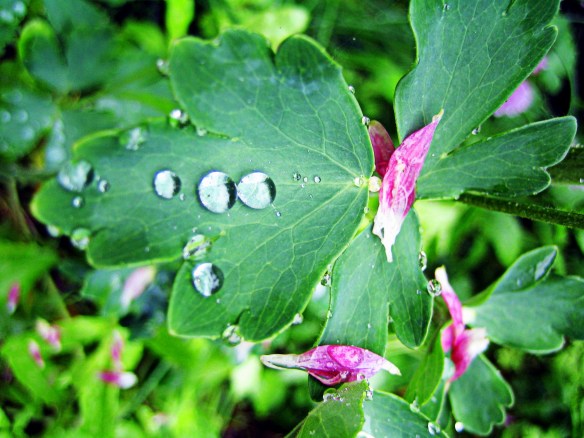
by @debsnet

Impacts

As a coach this year in our now-rolled-out model, my belief in the power of Cognitive Coaching continues to be affirmed. The approach has been well-received by teachers who are realising that this process is not about evaluation or accountability, but about their growth and authored by them. The other aspects of our model are also working. Lesson data is proving to be potentially transformational in its own right (that is another post for another time). The Danielson Framework for Teaching is enhancing teachers’ precision of reflection and goal setting around their practice.

We continue to collect data from a number of sources to continue to iterate the model. This includes external student achievement data, internal perception surveys and focus groups.

I want to leave you with this quote from Andy Hargreaves and Jane Skelton (2012), which really sums up for me what coaching should be about (my emphasis):

In some of its earliest origins, coaching is a learning journey undertaken willingly by travellers together. However, in the context of large-scale systematic reform, coaching has too often turned into enforced transportations from boardrooms into classrooms of unreflective practices based on inflexible ideologies or exaggerated sources of evidence.

A coach is a vehicle. But in education, it is not an inanimate one. Should a coach be a mere deliverer of other people’s goods and chattels? Or should the coach carry learners and learning along a self-chosen journey together? Are coaches providers of service learning, or vehicles that deliver people into bureaucratic servitude? Like life coaches, should educational coaches develop people’s own capacity to help themselves, or is their role to watch over teachers’ fidelity to or compliance with externally prescribed practice? …

It takes a big man or woman to step aside from surgery and actively help others take their place at the cutting edge of their profession. And it takes a great coach to stand up for the moral purpose of their work that is or should be at the core of all coaching – developing people, not implementing policies; building capacity rather than enforcing compliance; and giving colleagues a professional service rather than delivering them into ideological servitude.

by @debsnet

Easy as pie? How a PhD, & other complex work, is like a cake

Metaphors have a way of holding the most truth in the least space. ~ Orson Scott Card

Number 3 racetrack cake by @debsnet

Number 3 racetrack cake, with handmade bunting & teeny cars

As an English and Literature teacher, I love a metaphor, especially an extended one. I have spoken about one of my PhD metaphors before: thesis as a stone sculpture. Metaphors even bubbled up unexpectedly in my PhD data as participants searched for meaningful language to explore their identities.
In some ways this post is a response to, or extension of, Anitra Nottingham’s Thesis Whisperer post ‘My thesis is a cupcake, not a dragon.’ In it, she talks about making novelty birthday cakes for her children. She goes on to use the metaphor of cupcake for her Masters thesis and cake for a PhD thesis.

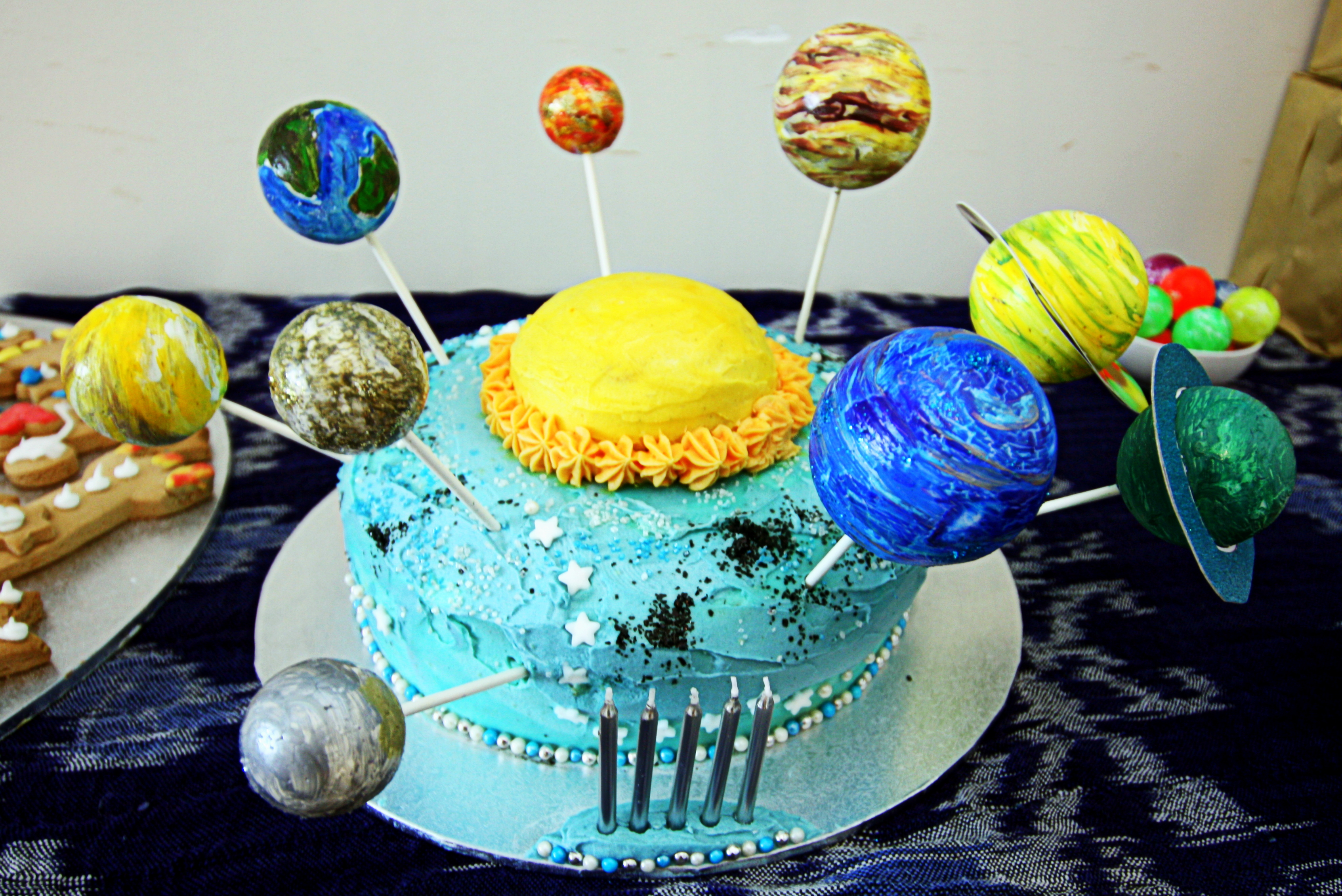
I was reminded of Anitra’s post over the weekend as I prepared for my eldest child’s 5th birthday. A novelty birthday cake is a lot like a thesis, I thought, as I pierced the galaxy outer-space solar-system cake with the planets I had hand-painted (cake decorating makes for great phdcrastinating).

the weekend's outer space solar system cake

the weekend’s outer space solar system cake; I am a child of the 80s so Pluto, beautiful dwarf planet, is there

I love to make my children’s birthday cakes from scratch, not that I find it easy or that I have an aptitude for it! I rarely bake; it’s not something I’m great at, and often my baking is asymmetrical and (goofily? lovingly?) imperfect. But I feel like a cake is more than the sum of its ingredients. I am convinced that my children and their guests can taste the love and trying-to-make-it-wonderful effort that goes into a homemade birthday cake.

Tootle cake, the Golden Book train who likes to play in meadows rather than stay on the rails

Tootle cake, the Golden Book train who likes to play in meadows rather than stay on the rails

A thesis, too, is more than the sum of its parts, more than the words on its pages. As I revise the full draft of my thesis, I am reading with the reader in mind (and trying to avoid boring or annoying them – see Pat Thomson’s post from an examiner perspective). I am hoping that examiners and other readers will ‘taste’ the passion, the challenges overcome, the obsessive dedication, and the satisfaction and enjoyment that comes with taking a PhD project to completion.

Both cake and thesis start with a problem. How am I going to embody the essence of this? Both cake and thesis require a balance of systematisation and creativity, recipe-following and individuality. What tools and ingredients will I need? What methodological processes will I follow to ensure a sturdy finished product which stands up? How might I make this original and my own interpretation?

Like a thesis, sometimes a cake doesn’t work at first and the creator needs to start again, or find creative solutions (usually involving using icing as glue or camouflage).

Octonauts cake

Octonauts cake, complete with sunken figurine (note to self: add heavy bits at the last minute)

It might seem trivial to compare the PhD thesis to making a cake (and of course there are many many differences between a thesis and a cake!), but I find that metaphors, in distilling meaning down to its simplest and yet most poetic form, help me to make sense of complex work. Their simplicity helps to keep me going.

The quote at the beginning of this post resonates: a metaphor can hold the most truth in the least space.

What are your metaphors for your complex work?

For wellbeing & productivity: breathe. pause. be.

Come forth into the light of things, let Nature be your teacher. ~ William Wordsworth

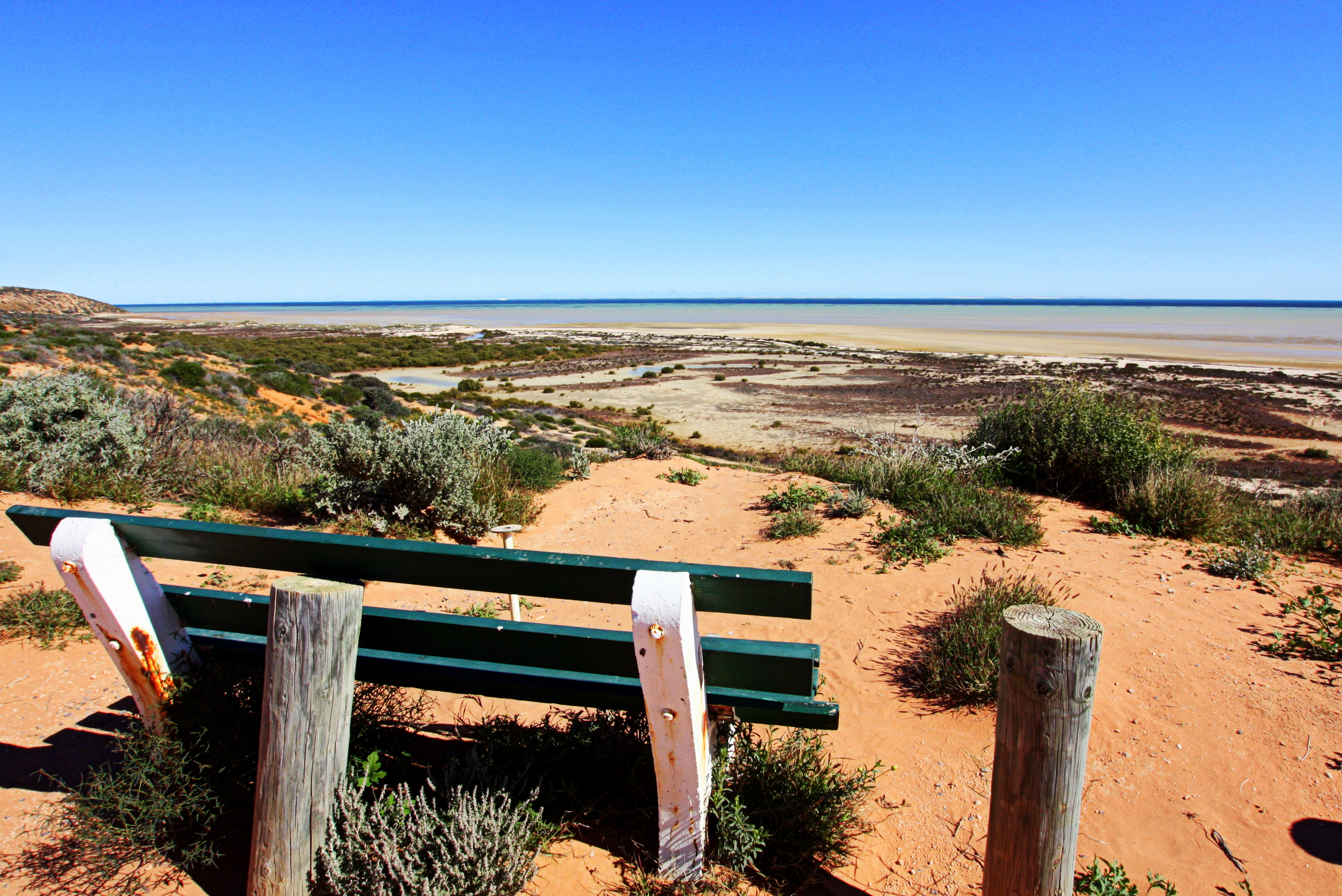
Shark Bay, by @debsnet

Like many educators, I love my work and I love to work. Not only that, as a PhD researcher I love my PhD, treating it like a luxury, a privilege and precious ‘me time’.

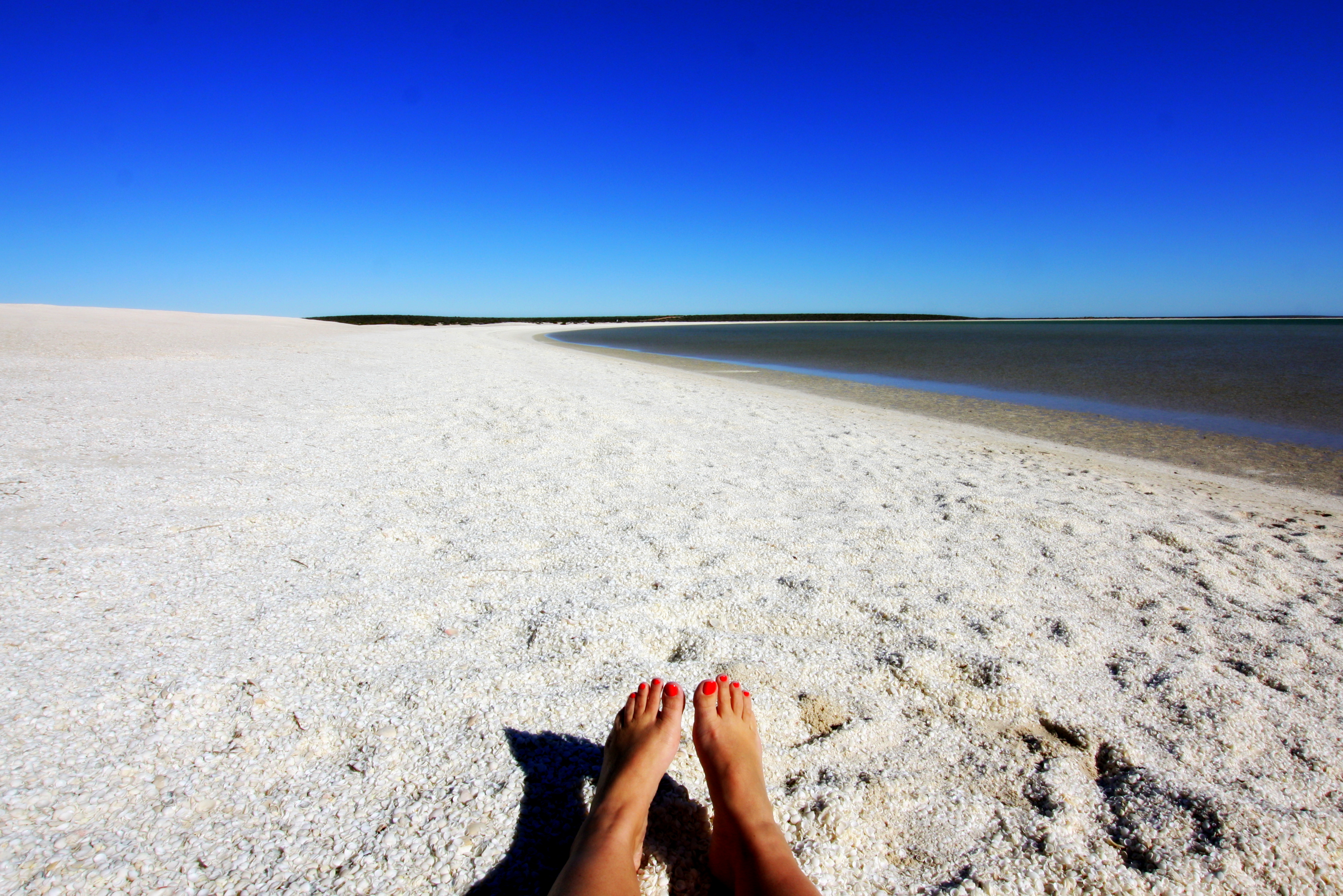
Shell Beach, by @debsnet

While I’ve acknowledged before that we need to give ourselves permission to take a break, I’m often not very good at it. Sometimes I have to force myself to take a break.

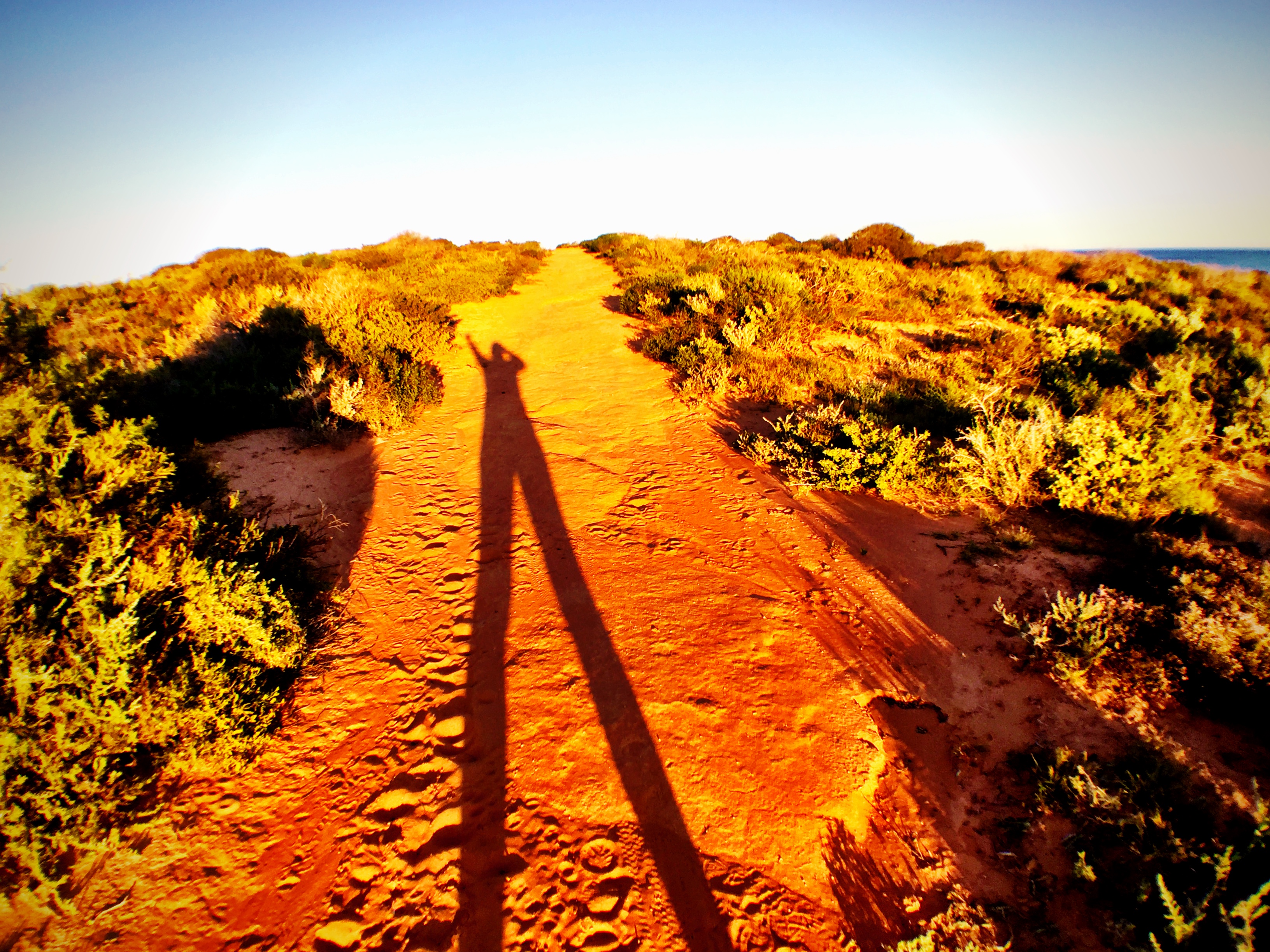
long shadows in red dirt, by @debsnet

After an eleven week term, at the end of which I spent an entire weekend slogging away at my thesis, I was obsessed. Obsessed because all my waking and teeth-grinding-sleeping moments were taken up with work or PhD. My thoughts about my doctoral research were permeating every crevice of my mind and each nook of my time.

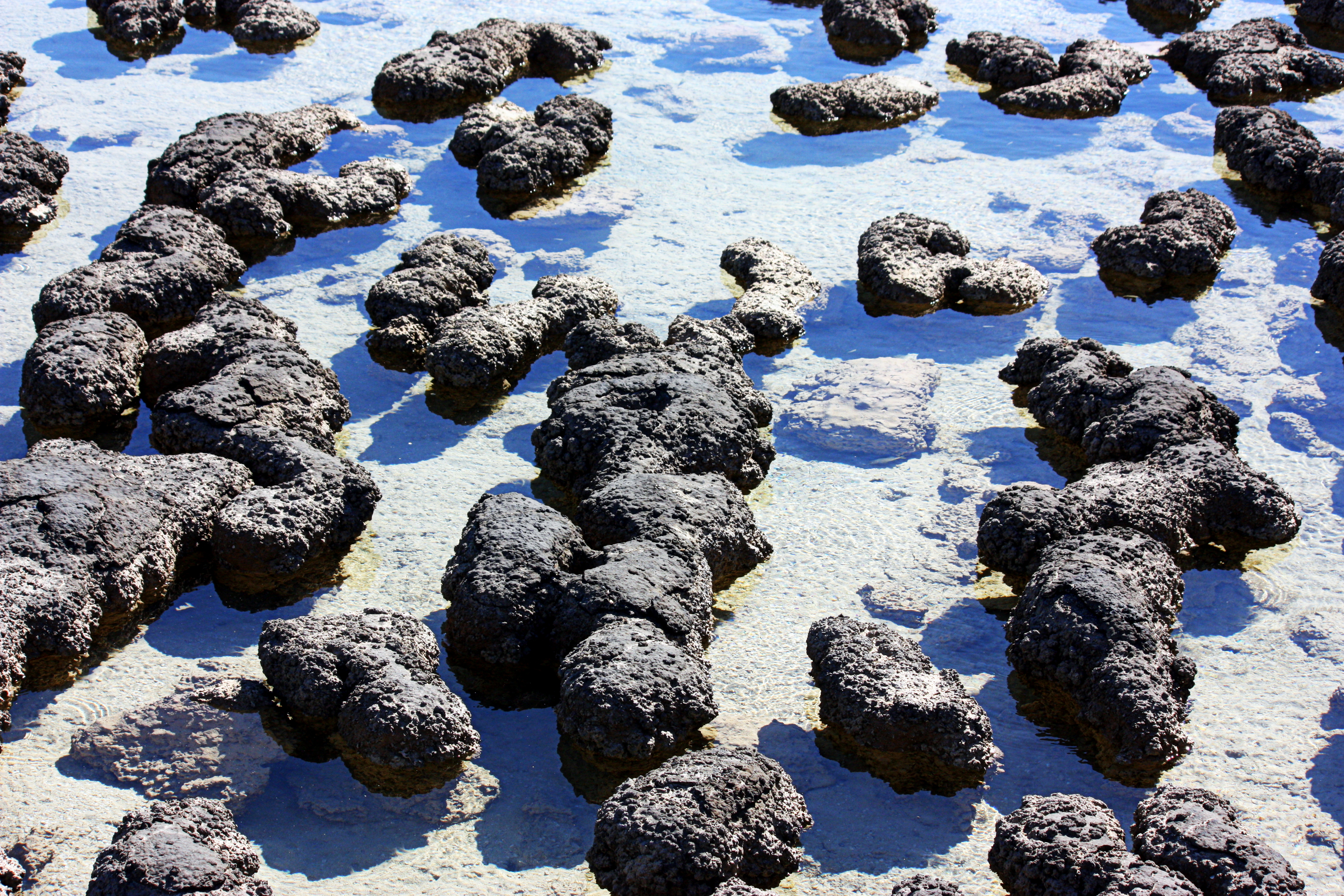
Hamelin Pool Stromatolites, by @debsnet

I was delighting in this immersion. I was happy to be thinking about the thesis on my walks, in the car, in the shower, in my sleep. I felt like it was a super-productive push-to-the-end mindset. My mind was on all the time. PhD-wise, I was excited about my findings, my conclusions, my writing. But I was also exhausted.

Monkey Mia, by @debsnet

And then school holidays were upon me, and with them a pre-planned outback road trip with my husband and my two-under-five. I considered taking my doctoral work with me. I have so much to do, I thought. A thesis to revise, a conference paper to write. Just imagine how much reading and editing I could get done in long car trips or at the campsite.

Shell Beach, by @debsnet

As someone who considers blogging or participating in education Twitter chats as ‘down time’ (I know – how relaxing!), how could I contemplate a complete break? How could I go from an escape dedicated to working on my PhD ~ my recent PhD writing and revision retreat ~ to a trip taking an enforced break from it?

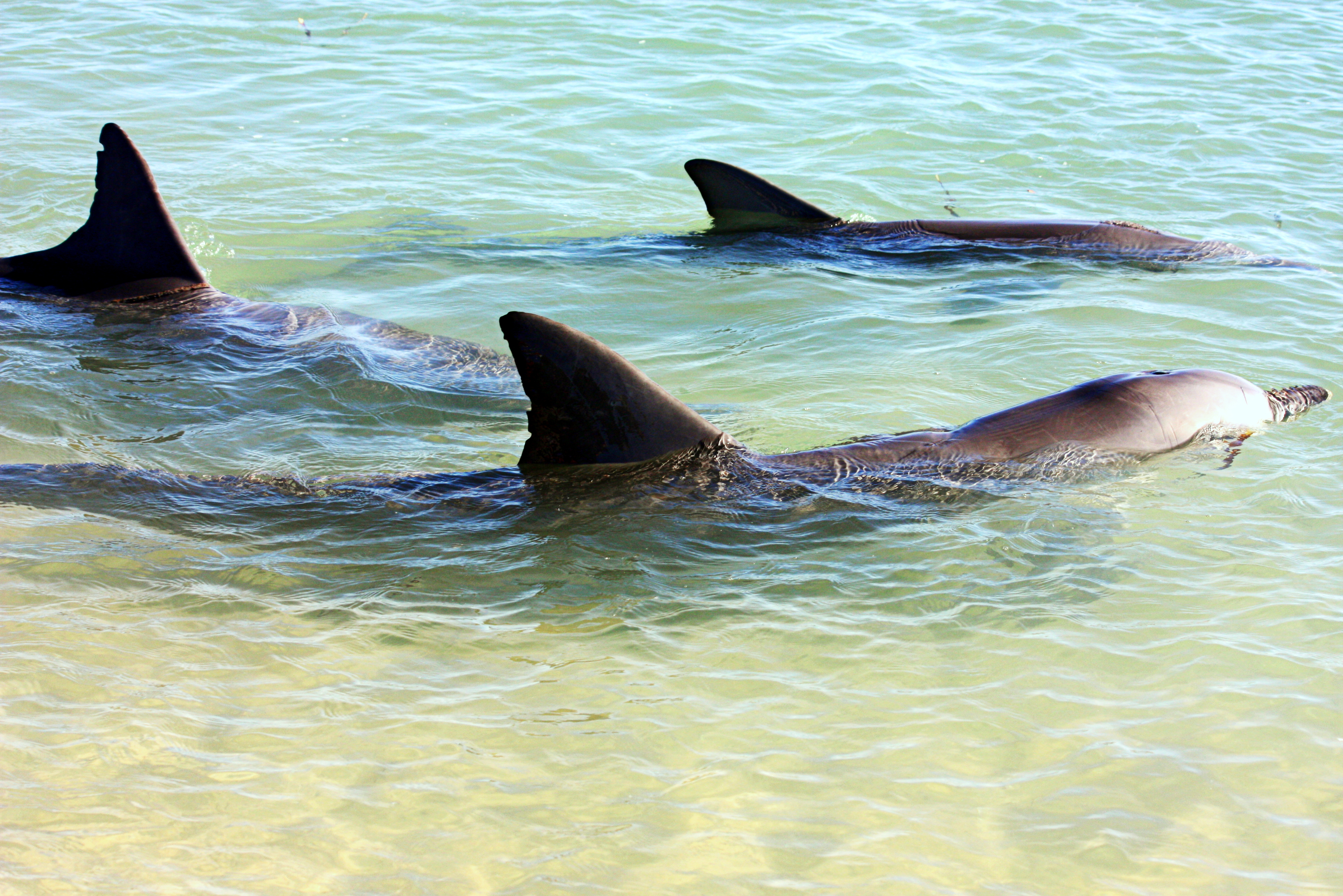
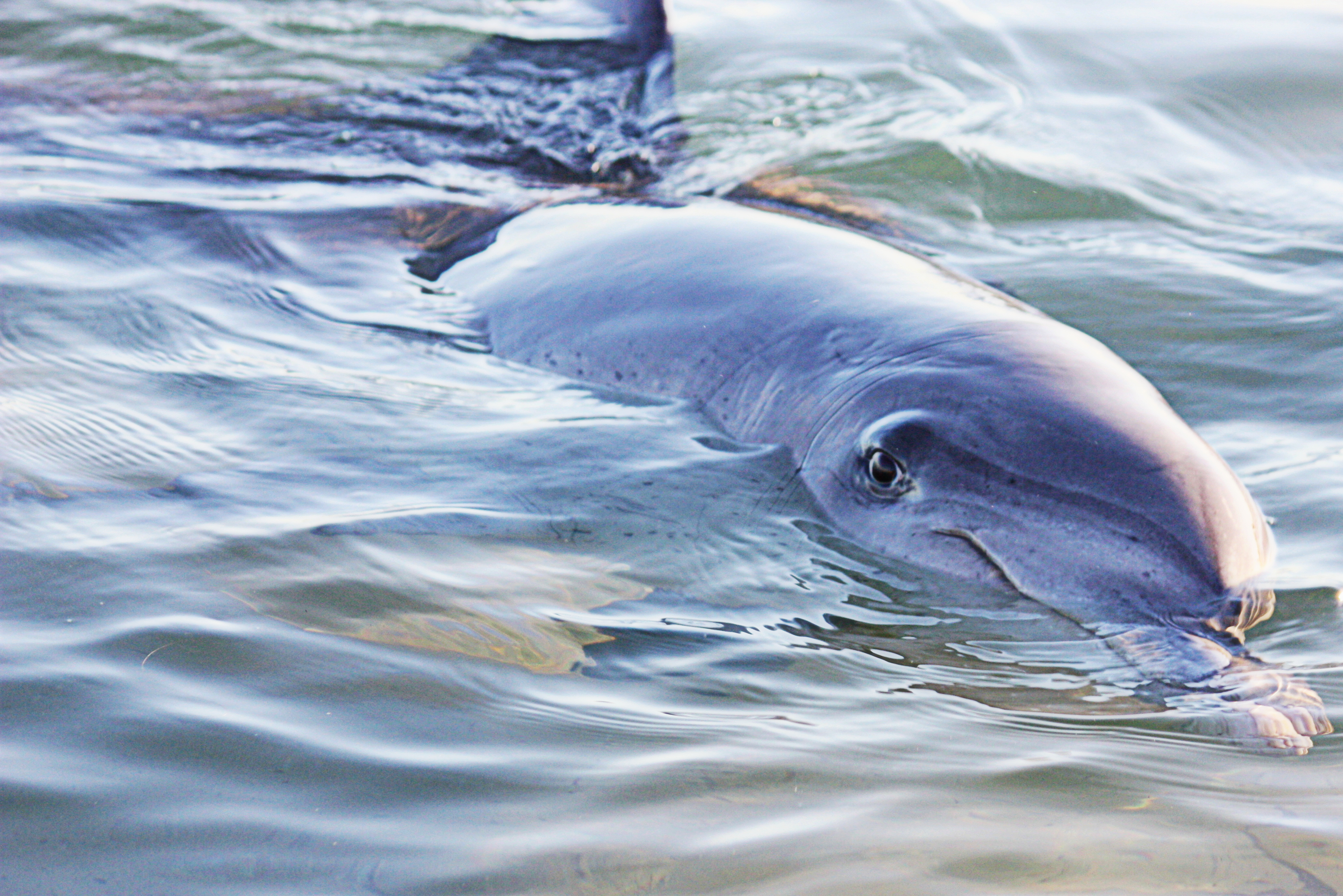
Monkey Mia dolphin, by @debsnet

I knew it was healthier to take a rest. Pause. Cut the cord for six days of just being, exploring and adventuring. Breathe.

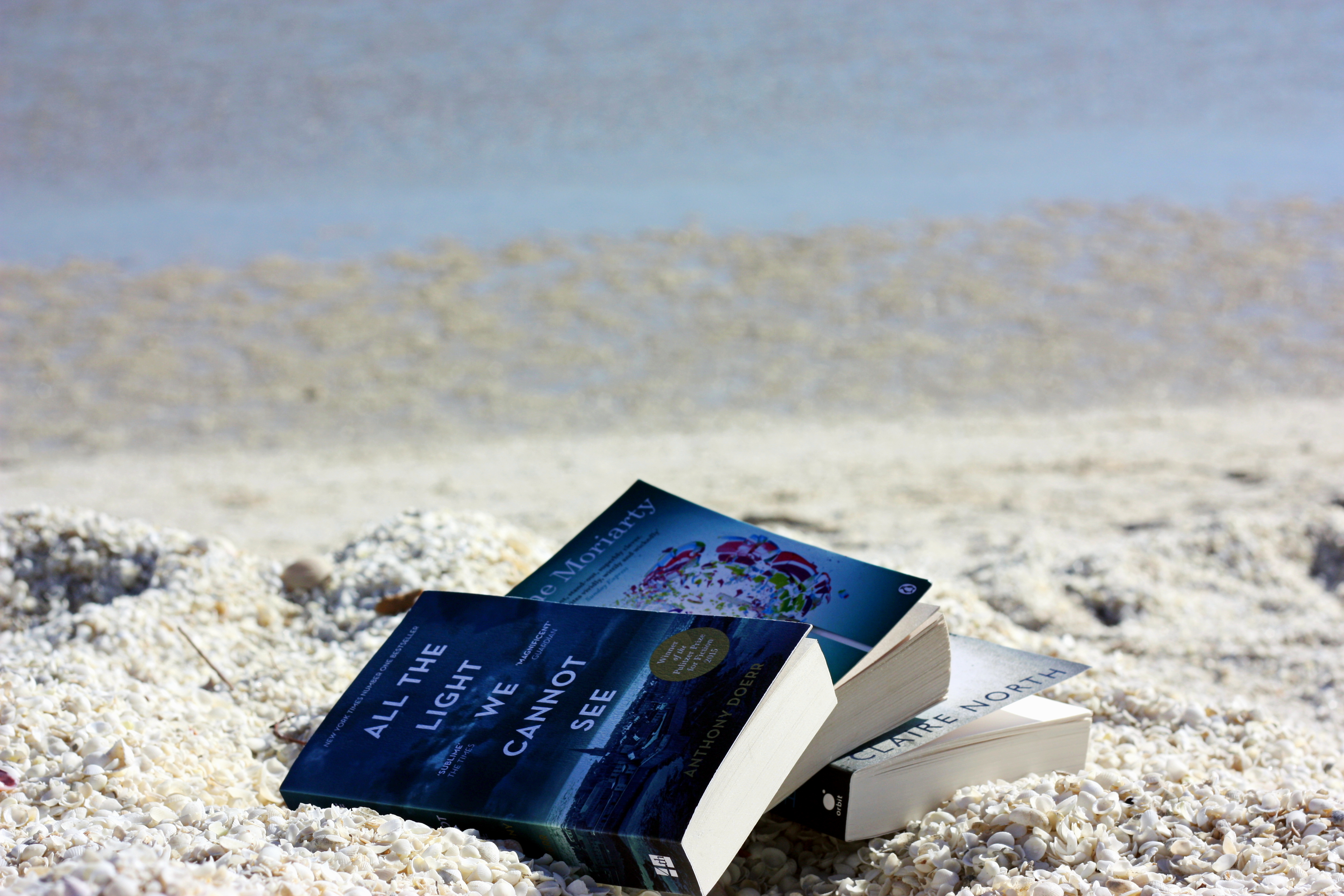
fiction pile on Shell Beach, by @debsnet

Thinking back to my 3 words which set my intentions for this year, taking an outdoor-family-faraway break fits best with presence. Embodying human being rather than human doing. It was about being with my husband and kids, and being in nature.

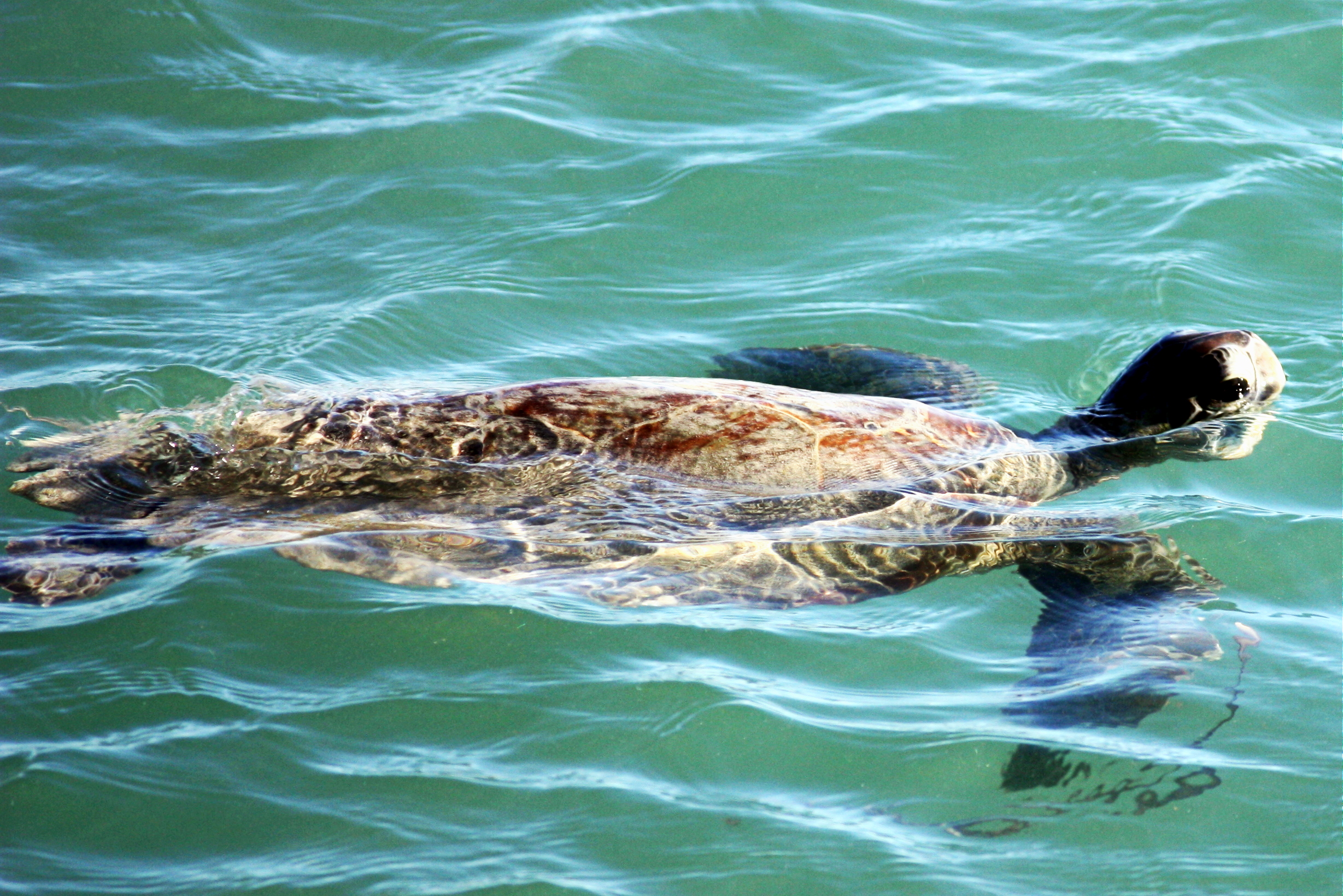
green turtle, Shark Bay, by @debsnet

There are some studies, like this and this, which explore how and why being in nature makes us feel better, improves wellbeing and enhances mental health. Anecdotally, most of us would attest to feeling ourselves melting into a more relaxed state when we spend time grounding ourselves outdoors. Curling our toes in soil, sand or snow.

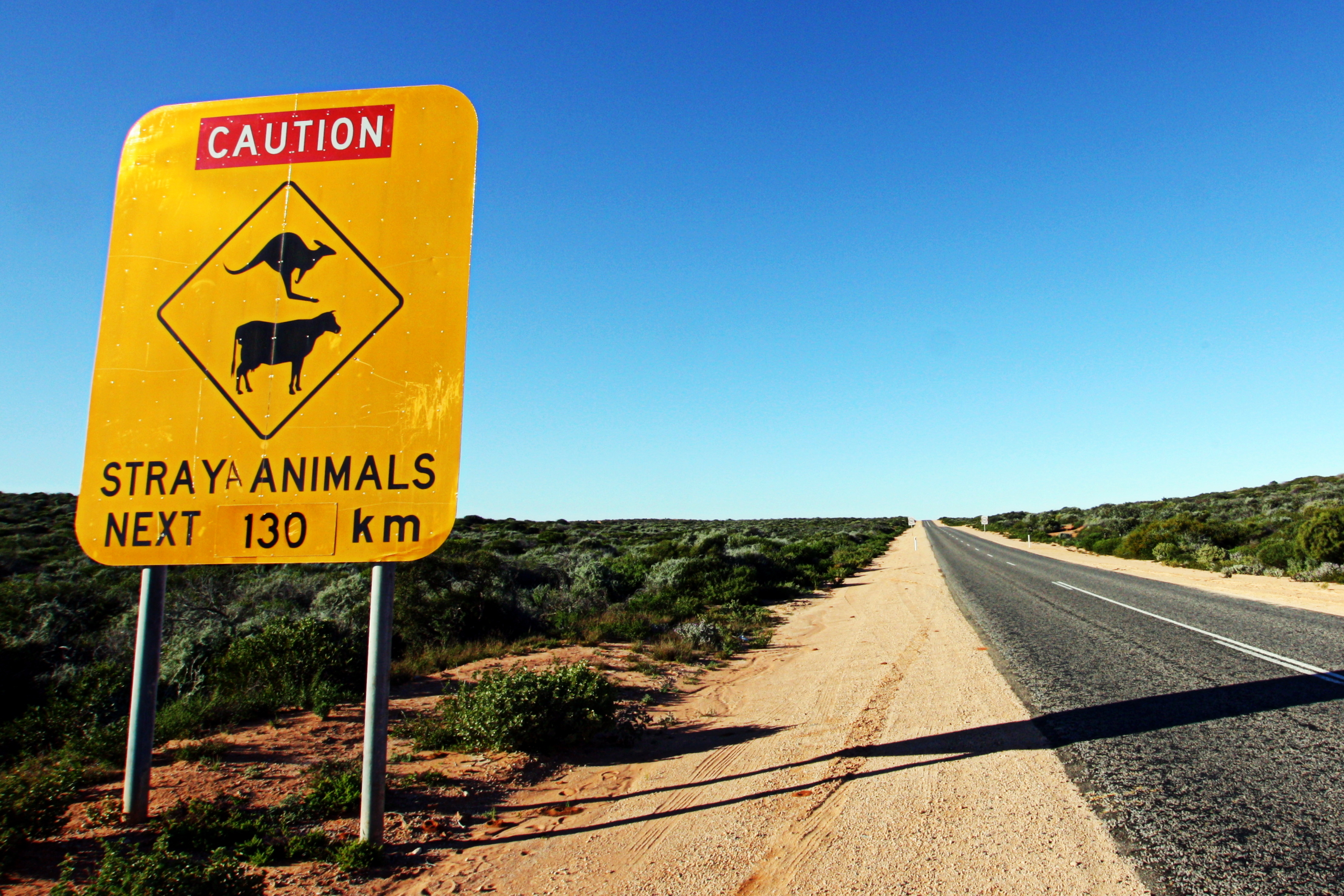
Straya animals, by @debsnet

I’ve written before about spaces and places that make me feel grounded, inspired or joyful, but this trip was to somewhere I hadn’t been before: Shark Bay, a UNESCO World-Heritage listed peninsula on the most westerly point of Australia.

iron corrugations, by @debsnet

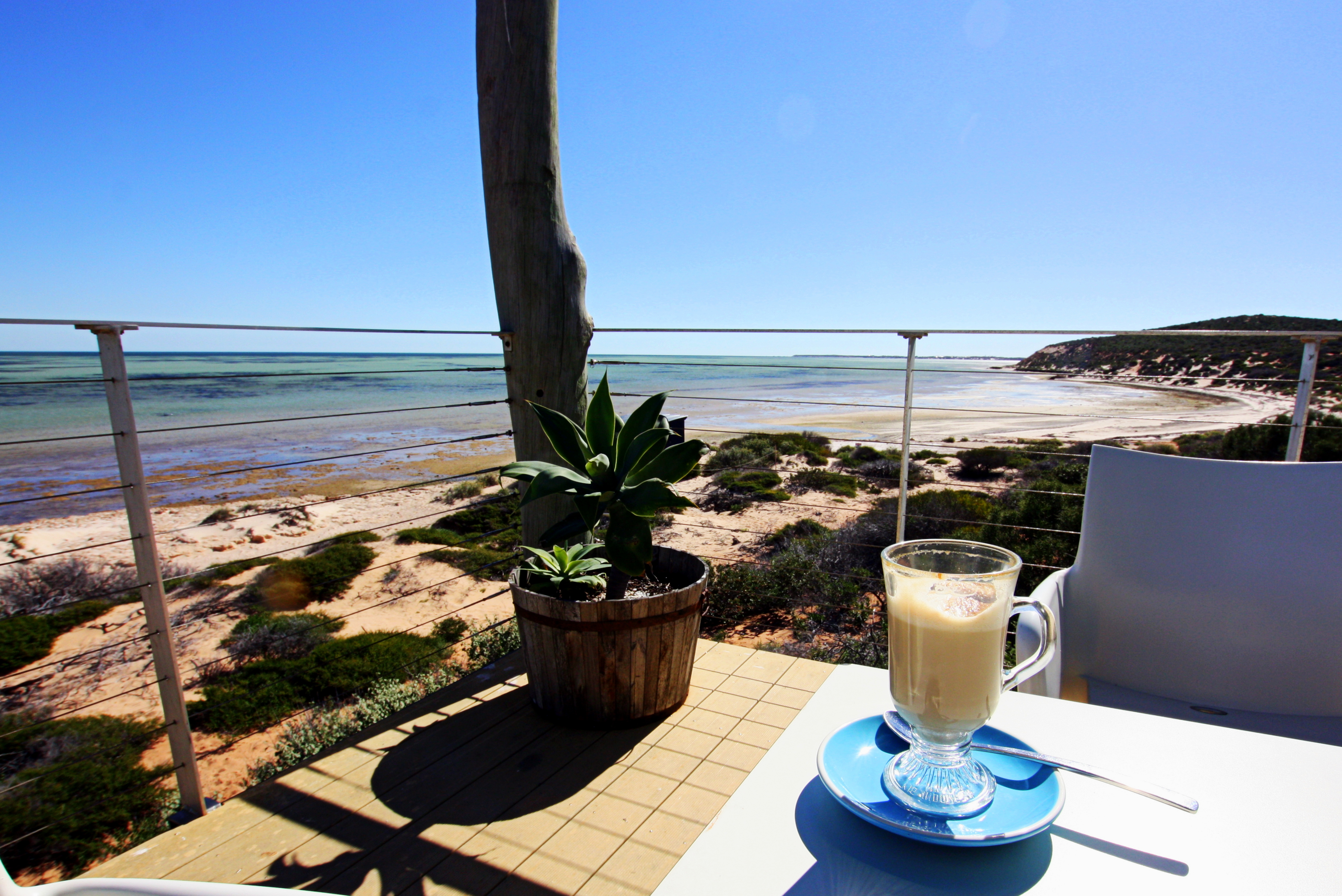
I allowed myself to luxuriate in this time out and time away. I read fiction (not academic texts or student papers!). We hand fed dolphins, visited a beach covered in pristine white shells as far as the eye could see, stomped through red dirt, went star gazing, saw the world’s oldest living fossils. The pictures in this post give you a sense of what I experienced.

Ocean Park, Shark Bay, by @debsnet

And so I have returned feeling intellectually and physically invigorated. Ready for the next round of PhD and school work, including teaching and leading my school’s new coaching model. I’ve stepped out of my obsessive space for enough time to allow for some recovery, but I’m aware that I need to nestle back into a place of productivity.

wire against blue sky, by @debsnet

As when I returned from Bali earlier this year, I’m hoping I can hold onto my present feeling of increased clarity and renewed wellbeing, channelling this into self-care as well as productivity.

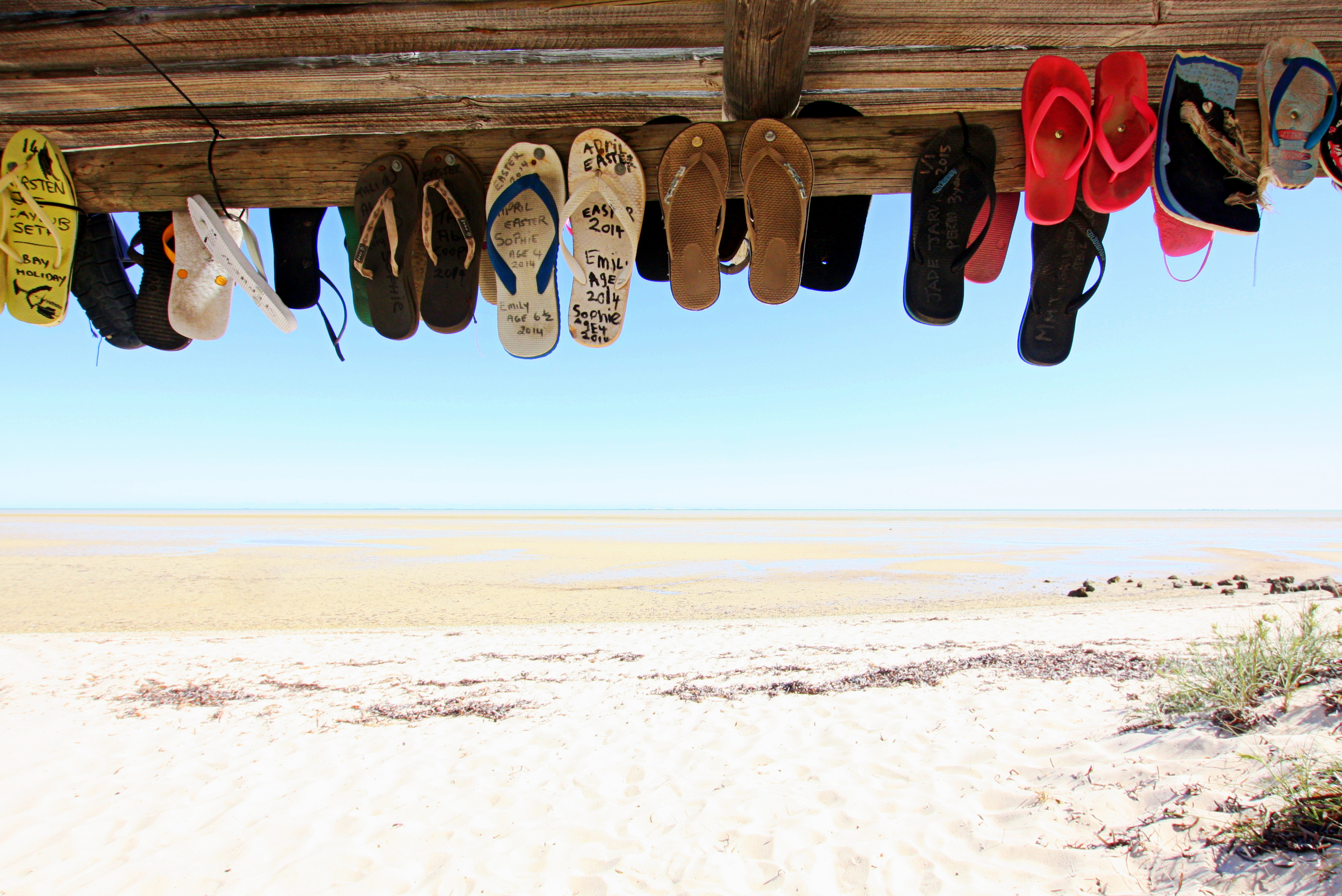
Thong Shack, Denham, by @debsnet