
Strategic planning for schools

Source: Angeleses on pixabay

Strategic vision as the north star

A strategic plan is a key part of any school’s trajectory to improvement, and strategic planning is an exercise in alignment, coherence and prioritisation. It is at once a a relational journey of sense‑making and community building, and a rational process of setting goals and allocating resources. It helps us to know: What is most important to this school at this time? On what are we focusing our efforts? Asking ‘Is this aligned with our strategy?’ is clarifying. Clear strategic vision acts as a guiding light to filter out the noise and multiple possibilities of all the good things that could be done, to help the entire organisation to work in unison to travel in a common direction, toward distinct shared aspirations.

Polaris, the north star, has been used for navigation and wayfinding for generations due to its constancy. A strategic plan articulates a school’s visible and unwavering north star, communicating the purpose and priorities from which decisions at all levels cascade, so that the school remains on course. The hardest part is often prioritisation – choosing to focus on a core set of goals, which might come at the expense of other directions. Sharp prioritisation ensures that goals are not diluted, and that short term pressures do not distract from longer term aims. In this way, strategy shapes what is resourced, focused on and invested in. It anchors, frames and guides the thinking and doing of all in the organisation.

Looking behind and ahead, together

Strategic planning involves co-design, with multiple stakeholders, that integrates past, present and future. It involves undertaking a simultaneous looking back, looking forward, and an anchoring of ourselves in the now. In schools this means honouring heritage and values, listening deeply to the people who make up the community, and scanning the educational landscape for emerging trends and innovations.

A strategic planning process:

  • Revisits the school’s history, values, mission and non‑negotiables to ensure continuity of purpose and identity;
  • Engages students, families, staff and alumni, to understand their values, aspirations and circumstances; and
  • Examines current educational research to anticipate how future shifts might shape priorities.

The Australian Education Research Organisation found that the effective features of a school strategic plan are:

  • Compelling mission and vision statements.
  • Specific, sharp and select goals, approaches and practices.
  • Content on goals, approaches and practices aligns with the evidence on ‘what works’ for school improvement.
  • Defined processes for monitoring and evaluation that are data-informed, and contain clear performance measures and time frames.
  • Coherence within and across documents (for example, across multi-year and annual plans).

Starting with purpose, mission, values and vision, and revisiting these regularly, ensures alignment with the school’s core identity and legacy, and coherence across documents, years and teams. Engaging widely and listening deeply facilitates a strategy that is shared by diverse stakeholders and that serves the community. Immersion in research, evidence and trend forecasts keeps plans forward focused so that the educational offering has future students and the future world in mind.

As a lead up to my school’s next strategic plan, I have been working alongside the executive team to explore current and future trends in education and schooling. We undertook a PESTLE analysis of the political, economic, social, technological, legal and environmental factors at play. We found that the future of education is increasingly learner-centred, holistic, and broad ranging in its measures of success and mechanisms for credentialling learning. Personalised learning is progressively enabled by AI. Social and emotional learning, wellbeing provisions, and staff support, are intensifying priorities.

In line with the shifting global education environment, as schools plan strategically, they will need to:

  • Align their offerings with future skills, competencies, and emerging industries.
  • Adapt with the ways in which students learn and demonstrate their learning.
  • Prioritise inclusion, mental health and wellbeing – of students, families and staff.
  • Consider workforce strategies that care for staff and support professional longevity.
  • Be clear on digital strategy and technological innovation, including ethical complexities and human impacts.
  • Stay abreast of evolving regulatory and compliance expectations.
  • Plan for climate and sustainability priorities.

Active, adaptive planning

While strategy is often aspirational, it also needs to be actionable and achievable. If the strategy is the north star, the plans that follow are the route maps, instruction manuals, and assembling of the team and equipment required to get there.

In schools, what we publish to the wider community are often the overarching goals or core pillars of the school’s strategy – the shared priorities. The agreed areas of focus are then supported by ongoing planning, communication, implementation, reporting, monitoring and evaluation. Resources, budgets, structures and development opportunities are aligned to the strategy. Actions and timelines are outlined and performance measures are formulated. The community should see the strategic priorities in action – in projects, programs, publications, facilities, stories, events, opportunities, and daily behaviours. As principal, I work with the board and the executive team to constantly review and report on our strategic work plan, monitoring progress against strategic goals and associated actions.

Strategic planning is not a one-off event or static brochure. Plans are adaptive to evolving circumstances, trends, evidence and community aspirations, through a constant process of listening, innovation and co-iteration. They should be referenced regularly, communicated about relentlessly, and their implementation visible. School strategy comes to life through how we show up, how we collaborate, how we engage students and community, where we invest, the decisions we make, and the stories we tell.


Reflections on professional nourishment

Image created with ChatGPT

The profound privilege and the weighty responsibility of serving as a school principal lies in the depth of the humanity of the role combined with the incredible sense of duty and the complexity of the role’s many moving parts. Independent school principals have been described as CEOs, responsible for strategic oversight and management of learning and teaching, daily operations, finances, risk, resources, communications, stakeholders and culture. A 2008 Australian report described principalship as “the best job in the world with some of the worst days imaginable,” encapsulating the intense reward and intense challenge of the role, which can be simultaneously fulfilling and depleting.

I have appreciated recent invitations to share my advice for aspirant school principals, and to speak about my experience in building contributions and networks beyond my immediate school environment. These opportunities for reflection, coupled with the regular release of research reports and media stories indicating the increasing ill-being of those working in schools, have led me to consider what might be described as ‘professional nourishment’. How do those of us leading in schools fill our cups to build buoyancy and resilience that sustain us as we serve the people in our communities, and navigate significant, serious and sometimes surprising complexities?

Like other people-facing roles in schools, principalship is inherently relational and involves the living of relationships throughout the extensive ecosystem of a school. Deb Dana’s concept of finding ‘glimmers’ in our day to uplift us reminds us to seek out sparks of joy and micro-moments of presence. Those of us working in schools can experience nourishment in our roles as we engage in the many and varied student experiences, community events and lives of students, families and staff. There is satisfaction and pride in witnessing the personal growth and achievements of students, sharing in the triumphs and challenges of families, and working alongside inspiring and dedicated colleagues. A ‘glimmer’ might be a conversation with a child in the yard, a thank you email from a parent, visiting a classroom to see a colleague teach, a conversation with an old scholar, attending a performing arts production or sports game, sharing dinner with the boarders, or witnessing a student or staff member overcome a challenge.

Professional nourishment can also come from deliberate reflection on and intellectual engagement in the work. This blog, for example, provides me with one way to share research, practice and thinking. It also engages me in writing as a practice of clarifying, synthesising and developing my thinking. Writing and podcasting provide unique opportunities to participate meaningfully in local, national and global dialogues around education and leadership. A range of platforms can immerse us in diverse perspectives and enable us to actively contribute to wider educational conversations. Ensuring there is time and space for thought, innovation and intellectual engagement, can help to reconnect us to the strategic direction of our schools and the ‘why’ of what we do.

One worry I have about artificial intelligence is that, while it is trained on human writing and coding, using it as a shortcut to exploring and communicating ideas might reduce our time and capacity to sit with, contemplate, and work through complex ideas. Formal or informal writing can be utilised, not just for its resultant output, but for its process of cognitive working out. When I begin writing, I do not know exactly where a piece will take me. The writing process is focused on internal growth and ‘thinking through’ or ‘thinking out loud’, rather than efficiency and end product. In a recent episode of The Edu Salon podcast I talked about the marination of ideas in the human brain as an important part of how we understand more deeply and move our thinking forward. Quiet reflective practice–in which we take the time to pause, interrogate our assumptions, tease out ideas, and carefully consider experiences–can provide an anchor for us to find clarity in the complexity of our work.

When I think of what is professionally nourishing, there is a special place for professional relationships and networks. I am incredibly grateful for those mentors, peers, colleagues and friends to whom I can reach out. Professional organisations and conferences (such as, in Australian education, AHISA, ACEL, AARE and ICSEI) can provide educators with inclusive communities of practice where ideas are shared, respectfully challenged, and refined in a safe and collegial space. Trusted relationships in which we share and talk through problems of practice, provide meaningful connection and mitigate the isolation of our role.

Those leading in schools can work to sustain ourselves by cultivating meaningful professional relationships, prioritising reflective practice, and actively participating in broader educational networks. Learning and connecting beyond our immediate environments can enhance our practice, enrich our schools, pay forward our expertise into the wider educational landscape, and help to sustain us in our roles.

Schools as sites of happiness

Source: Image by trilemedia via pixabay

When we reflect on happiness, we often think about big feelings like joy and excitement, quieter emotions like optimism and hope, or satisfying experiences. Social media feeds are full of apparent evidence that our lives can be a series of easy, enjoyable moments and positive emotions.

In the pursuit of what we deem to be ‘happiness’, we might focus on feeling good rather than on a deeper sense of contentment and fulfilment. We may avoid conflict because it requires us to face discomfort. Yet it is often through disagreement that we reach better decisions and more effective outcomes. We may look forward to vacations because being on holiday lends itself to feeling relaxed and unburdened by daily pressures. Yet it is often from coping with challenges, overcoming adversity, or moving through difficulty that we feel most proud. We felt nervous about doing something, but we did it anyway. We experienced setbacks, but we persisted. Our capacity to achieve something was questioned, but we prevailed. We worried about how it would go, but we grew from the experience.

Beyond feeling happy and seeking pleasure is an Aristotelian concept called ‘eudaimonia’ – the sense of meaning and purpose derived from living a well-lived life of growth, fulfillment and contribution. Focusing on happiness can make us feel less content, whereas focusing on connection and purpose can lead to feelings of happiness. The eudaimoniac notion of living a fulfilled and principled life of service is central to ways in which schools intentionally build communities where the many challenges of childhood and adolescence can be weathered, and through which young people and families can flourish through the complexities and adversities that life inevitably brings.

Last week, the 2025 World Happiness Report was published, ranking Australia 11th after countries such as Finland, Sweden and Mexico. The report unpacks what happiness might mean beyond feeling cheerful and enjoying ourselves. The report points to generosity, connection, kindness and community—or what it calls ‘caring and sharing’—as those things that can buffer us, and our children, from disconnection, loneliness and stress. These findings–including the positive impacts of shared living, shared meals, and social connections–reminded me of my takeaways from my immersion in Yolŋu culture in East Arnhem Land last year, where I experienced a community of relationality, acceptance, reciprocal support, and deep belonging in which members’ identities were enmeshed with people and place.

Communities are glued together by trust, which is built slowly over time. As the Dutch proverb says: ‘trust arrives on foot and leaves on horseback’. Schools are fundamentally communities, supporting the holistic development of young people. There is a focus on learning and cognitive development, as well as emotional, physical, social, moral, and spiritual development. Community is not peripheral to learning. Rather, community enables and strengthens students’ capacity to learn, connect and play. Students who feel connected to their school community (who feel accepted, valued, and part of the school) report higher life satisfaction and self-esteem. Schools, at their best, remind us daily of our shared humanity and of who we can be and what we can do, together.

Community is not an idea, but a practice lived daily through micro-interactions of genuine care, open-hearted acceptance, kindness and respect. It is each decision made by each person, in each conversation and each response. In this way, happiness is collective and fostered through shared experiences. It is the connections we make and communities we build that support all of us in moving through the world. Schools are tasked, not just with facilitating learning, but with supporting students to carry kindness, resilience and hope forward into the world as resilient, principled people who make their own positive contribution.

Community in schools are seen and felt every day in the interactions between students, parents and staff. I remember how gratefully students returned to the physical sites of schools after periods of lockdown during the pandemic (as much to see their friends as to learn in classrooms). In a world where much of a young person’s community can be experienced online, and influenced by social media, schools can provide opportunities for fostering resilience, modelling healthy relationships, and developing emotional self-awareness. The findings of the World Happiness Report suggest that schools can be protective ecosystems of happiness-building, where happiness is not about constant positivity or artificial cheerfulness, but about deep and authentic human connection.

The power and privilege of school communities

Image source: Helen Lopes on unsplash

In schools, every decision comes back to what is in the best interests of the student. The purpose of school might be described as to ensure academic success and secure post-school pathways for young people, or to prepare them for the world beyond school. Much of my career has been in the learning and teaching space, focused on academic results, effective teaching practices, developing learning cultures, and facilitating meaningful opportunities for collaboration and growth. While learning, teaching and academics are core business in schools, the purpose of schools is also to holistically support each student to thrive cognitively, emotionally, physically, socially, morally and spiritually. Further, schools aim to support young people to become good, principled people and savvy, responsible citizens with a keen sense of civic responsibility and the desire to make a positive contribution.

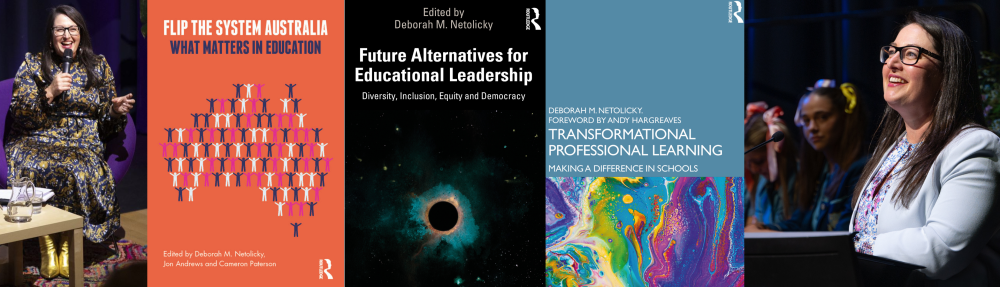
In the coming week I will be presenting at the International Congress for School Effectiveness and Improvement (ICSEI). In one session, I will be reflecting on a book I edited: Future Alternatives for Educational Leadership: Diversity, Inclusion, Equity and Democracy. In the conclusion of that book, as I reflected on the impacts of the COVID-19 pandemic, I wrote that during the pandemic, “schools have been revealed as socioeconomic enablers and vital points of connectedness, relationality, socialisation, community and socio-emotional-financial support for families” (2022, p.213). That sentiment continues to resonate. As well as being learning communities, schools are additionally communities of being, belonging, becoming, connecting, and buoying.

More than a group of individuals clumped in one environment, community is the act of collectively coming together. A community allows the group to share a sense of purpose and identity, and simultaneously for each individual to embody and explore their own unique purpose and identity. The very word community finds its roots in the Latin communis, meaning ‘shared by all’ or ‘common’. In fact the word munis means to be ready to serve. More than merely sharing a place, this etymology reminds us that community is about what values, experiences and lives we share, and that community is about service. Being intentional about community means deliberately focusing on what connects us rather than what divides us, and on how we can help others. As communities, schools focus on being environments of open dialogue and safe cultures of trust, with shared traditions, shared stories, and support networks that extend beyond classrooms, staff rooms and parent functions.

While students are at the heart of schools and their purpose, school communities include old scholars, families, staff, and wider community. School leaders work in fellowship with their school communities. As a school principal, I am often in the privileged position of sharing in the lives of those in my school community. It is in viscerally human and often private moments, such as when I am with someone who might be experiencing grief or difficulty, that I find myself reflecting on how to act with empathy and compassion while working to do the thing that will most serve and support the person or family in that moment. I focus on presence and service while accepting the discomfort and complexity of our shared humanity.

In my recent conversation with Karen Spiller OAM CF on my podcast, The Edu Salon, Karen expressed the need for principals to feel the hurt of their community, and to also be tough enough to sustain themselves in supporting those in their community through difficult times. There is a need for those leading in, with, and for community to reflect upon how we engage in a way that allows us to keep doing the work. As the sayings go, we need to fit our own oxygen masks before helping others, and we cannot pour from an empty cup. Serving and leading others is only possible when we ourselves are able to be resilient and well.

As communities, schools are people places. Each school offers members of its community more than academic courses, co-curricular opportunities, and wellbeing programs. I often say to students and staff that leading is an action and a way of being, and that leading is about others, not about self. Schools allow opportunities for us to wrap around and walk alongside people through life’s many experiences, in sadness and joy, challenge and achievement, despair and hope. That is an incredible privilege.

Three trends shaping education in 2025

Image created using ChatGPT.

Looking back on any year reveals triumphs and celebrations as well as challenges and low points. 2024 has been a year that saw an uplifting Olympics and Paralympics in Paris, and leaps in space exploration, but also ongoing cost-of-living crises, worrying levels of mental health, cybercrime, geopolitical conflict, and extreme weather events. Personally, I experienced an incredible Aboriginal cultural immersion experience in North East Arnhem Land, published 11 episodes of The Edu Salon podcast, co-authored a lead article for Australian Educational Leader with Patrick Duignan on reimagining educational leadership, and received two awards: as an Excellence Awardee for Principal of the Year in the Australian Education Awards, and the Australian Council for Educational Leaders South Australia Media Award.

As I reflect on education across 2024, three key trends have risen to the surface in my work as principal, and in the work of schools: personalised learning, GenAI, and holistic wellbeing. None of these topics are new, but they are at the forefront of current educational thinking and practice. As we enter 2025 this week, these foci will continue to shape education.

Personalised Learning

Best practice, research-informed methods of instruction are key to how we design learning and teaching in schools. Schools continue to develop ways in which students’ diverse needs and identities are served, including through engaging student voice and choice, via quality differentiation, by using technologies to enhance and personalise learning, and by tailoring pathways to individuals where appropriate. Within the intentional frameworks of learning and teaching in schools, students are increasing positioned as agents of their own learning. They set goals, influence their own learning, and shape their own learning pathways. While in school, students are studying vocational courses, earning micro credentials, undertaking early university courses, and running their own businesses. At my school, in 2024 we introduced a seed fund and mentorship program to support students pursuing their own social enterprises.

The worlds of education and work will need to continue to develop personalised learning opportunities, with a focus on diversity, adaptiveness, a global mindset, and less hierarchical structures. Generation Alpha—born 2010-2024—have information not only at their fingertips but also digitally integrated into their lives. They experience emerging technologies, fast-paced change, global influences and remote learning. Their digital experiences are personalised by algorithms and so they are accustomed to digital experiences curated to them personally. They connect, collaborate, and create online. They are innovators, entrepreneurs, technology enthusiasts. They are concerned by ethical issues such as equity and sustainability. My own children are Gen Alpha and they are questioning the value of traditional work and life pathways. They hope for life, learning and work to be self-directed, flexible, inclusive and gratifying.

Learning will continue to be personalised, as well as gamified, ‘stacked’ through a range of microlearning opportunities, and lifelong. Schools will continue to reflect on the purpose of teachers as experts who broker learning experiences for students, and schools as hubs of learning opportunities that allow each learner to thrive.

Generative AI

2024 has been a year of the rise and rise of generative AI as collaborator in learning and teaching, with tools such as ChatGPT, Microsoft Copilot and Google Gemini becoming mainstream. Technologies such as artificial intelligence, and extended realities, continue to be tools with which educators develop awareness and intentional deployment.

AI can be a useful accelerant for research, thinking and writing, reducing the time it takes to complete tasks. Using AI as a collaborator and productivity booster can support the work of those in schools. AI can, for example, be used for generating quizzes, transcribing meeting minutes, writing sample test questions, analysing curriculum documents, summarising information, explaining key concepts, drafting communications and generating exemplar responses.

Students can use AI in a range of ways, ensuring that they reference and attribute it appropriately. They might use AI to conduct initial research on a topic, search for useful resources, create digestible summaries of complex information, brainstorm ideas for creative tasks, translate language, generate practice questions, or create study schedules.

Of course, any technology must be used responsibly, ethically, safely, and with a healthy level of scepticism. Critical questions include asking ourselves and our students about biases inherent in AI models, what is excluded by an AI model, assumptions embedded in an AI ‘voice’, and how we might verify the accuracy and validity of the information provided.

Generative AI will continue to shape education as we collaborate with it and develop our use of it as a tool to enhance learning, teaching and leading. Yet teaching and leading are not purely transactional processes that can be replaced by artificial intelligence. Technologies cannot replace authentic voice, teachers that see and know their students, compassionate leadership, or nuanced and context-embedded decision making.

Holistic Wellbeing

Schools are places of human connection and complexity. In my chapter for the 2019 book Flip the System Australia: What Matters in Education, I wrote that “education is not an algorithm but a human endeavour”, a line which seems more poignant now that our lives are increasingly shaped by algorithms, from the route we take to a destination, to the music to which we listen, to what we see on the internet or social media. In 2024, wellbeing has continued to emerge as something with which schools and education systems constantly grapple. Challenges include student absenteeism, student mental health, teacher recruitment and retention, and teacher and school leader wellbeing.

We need to feel safe and well if we are to learn, and so learning for students is about more than intentional teaching; it is facilitated by positive relationships and learning environments in which learning is valued, progress is expected, and mistakes are seen as opportunities to grow. For students, responsive pastoral care programs and robust pastoral structures provide a holding environment in which every child is known and noticed.

For educators, schools are considering what can be automated or relinquished from staff workloads, and how staff can be empowered to shape practices and policies. In 2024, my school worked with staff to create flexible working guidelines, enabling flexible working where possible, based on role and individual circumstance. Schools are additionally working to develop cultures for staff of safety, community, growth and being supported in their professional and personal lives, as well as the fulfilling shared purpose of educating young people and partnering with families.

Schools need to continue to provide opportunities for meaningful human connection. We need to continue to see education as a human endeavour, about people, belonging and community. In 2024, there were people in my school community who faced hardship and sorrow. It is these moments—often quiet and unseen—that remind us that the greatest privilege of leading is not in celebrating accolades or public successes, but in walking alongside others in private moments of grief and sadness. It is in these moments that the school as community comes to the fore and we most lean in to our humanity in order to support one another.

It is vital that schools create cultures of high care, high challenge and high trust for all in our school communities, including students, staff and families. I would add that these environments need to be high observation, in which we see, hear, know and support each individual. Key parts of education work are noticing, listening, empathising, and offering care. One thing we can all focus on in 2025 is paying attention to our daily interactions and being truly present with those in our community.

Educator wellbeing: Creating schools where staff flourish

It seems that everywhere educators turn there is a news piece, recent study or professional learning opportunity about educator wellbeing.

Facilitating schools and education systems that support staff to sustain their care, energy and enthusiasm – and thrive as fulfilled, healthy professionals – is an ongoing and oft-discussed challenge for schools. There remain ongoing and increasing concerns around the wellbeing of teachers and school leaders, and system-wide attraction and retention challenges in teaching and school leadership. The International Baccalaureate’s Wellbeing for Schoolteachers report (Taylor et al., 2024) points out that teacher wellbeing has an unequivocal impact on both teachers’ professional performance and the wellbeing and academic success of students. Yet staff cannot flourish without sustainable workloads, appropriate support, and a safe environment of trust, care, open communication, growth, recognition and feedback.

I have had the pleasure of chatting with Helen Kelly and Amy Green on The Edu Salon podcast, who both provide useful insights to those considering staff wellbeing in their organisations. The OECD (2013) defines wellbeing as made up of the following elements.

  • Life evaluation – a reflective assessment on a person’s life or some specific aspect of it.
  • Affect – a person’s feelings or emotional states, typically measured with reference to a particular point in time.
  • Eudaimonia – a sense of meaning and purpose in life, or good psychological functioning.

Martin Seligman’s PERMAH model (Positive Emotion, Engagement, Relationships, Meaning, Accomplishments, Health) also provides a helpful framework for thinking about what contributes to human flourishing.

Patrick and colleagues (2024) highlight the importance of fostering positive relationships in schools, active wellbeing teams, leaders addressing their own wellbeing, building trust within staff, and ongoing initiatives rather than stand-alone wellbeing events. Karnovsky and Gobby (2024) criticise deficit approaches to educator wellbeing that encourage teachers to look after their own wellbeing without addressing systemic and workplace issues “that are complex, institutionalised, entrenched and unlikely to be readily remedied.” The longitudinal Australian Principal Occupational Health, Safety and Wellbeing Survey (Dicke et al., 2024) continues to show declining principal wellbeing; increasing physical, verbal and cyber attacks against principals; and increasing principal sentiment to leave the role altogether. A recent meeting of Australian Education Ministers focused, in part, on teacher and school leader workload and wellbeing.

Additionally, in Australia, the Closing Loopholes Act, or ‘right to disconnect’ law, now offers an opportunity to reshape workplaces and workplace boundaries. The Act means that an employee may refuse to monitor, read or respond to contact (or attempted contact) from their school or a third party (which could include parents or students) outside of their working hours, unless the refusal is unreasonable. The new right does not stop schools from sending emails to employees outside of work hours, but seeks to protect employees who choose to ignore attempts to be contactable from being disciplined or terminated as a result. Schools can review their communication and collaboration practices, and be clear about how staff are supported to disconnect from work after hours.

Despite the swirling mass of talk about staff wellbeing, context, as always, is Queen. Any attempts to address the wellbeing and flourishing of staff need to be embedded in the school and system context, and to include the voices and participation of staff in that school or system. Schools need to ask their staff what their preferences and concerns are, and work alongside staff to find practical ways to address these.

Taylor and colleagues (2024), point to school climate as key to teacher wellbeing, including staff voice in school decision making, work autonomy, good teacher-student relationships, feelings of belonging with the school, and sufficient resources to carry out duties. At my school, in response to a range of staff feedback and the work of our Staff Wellbeing Committee, we are undertaking a process of reviewing and refining our policies, practices and resourcing with a view to how these impact our staff, their workloads, their sense of purpose, their experience of joy, their professional satisfaction, and their emotions about work.

Our school is dedicated to creating a safe and nurturing environment that prioritises the safety and wellbeing of all individuals, treats staff as trusted professionals, and attempts to flexibly and compassionately address individual staff circumstance, and facilitate staff autonomy and growth. Open communication is key to individualising flexible work options that balance empathy, compassion and flexibility, with accountability, high standards and practicality.

We have released our first go at a ‘Staff Wellbeing and Flexible Working Guidelines’ document that makes explicit the school’s approach to supporting staff wellbeing, and outlines flexible work options, while acknowledging that each staff member’s personal circumstances is different, and there is no ‘one size fits all’. These guidelines are an iterative work in progress and will evolve alongside ongoing opportunities for staff to provide honest, respectful feedback to inform decision making.

When speaking about school culture, I have often referred to the words of Peter Drucker (‘Culture eats Strategy for breakfast’), Herb Kelleher (‘Culture is what people do when no one is looking’), and David Morrison (‘The standard you walk past is the standard you accept’). Recently I came across this from Bill Marklein: “Culture is how employees’ hearts and stomachs feel about Monday morning on Sunday night.”

In schools we need to be asking ourselves: How can we all contribute to cultivating an environment where everyone–students and staff–looks forward to coming in on Monday morning? How might we foster cultures and practices in which we celebrate our purpose, find the joy in our work, and think creatively about schools as places of learning, caring, leading and working?

References

Dicke, T., Kidson, P., & Marsh, H. W. (2024), Australian Principal Occupational Health, Safety and Wellbeing Survey: 2023 data, Institute for Positive Psychology and Education, Australian Catholic University

Karnovsky, S., & Gobby, B. (2024). ‘How teacher wellbeing can be cruel: refusing discourses of wellbeing in an online Reddit forum’. British Journal of Sociology of Education, 1-19.

OECD. (2013). OECD Guidelines on Measuring Subjective Wellbeing. OECD Publishing.

Patrick, P., Reupert, A., Berger, E., Morris, Z., Diamond, Z., Hammer, M., … & Fathers, C. (2024). ‘Initiatives for promoting educator wellbeing: a Delphi study’. BMC psychology12.

Taylor, L., Zhou, W., Boyle, L., Funk, S., & De Neve, J-E. (2024). Wellbeing for Schoolteachers (Report No. 2). International Baccalaureate Organisation.

Challenge and change in 2023: What if you fly?

Source: @cocoparisienne via Pixabay

During primary school, my children learned loosely about growth mindset. At times, they came home with mantras such as “I can’t do it … yet”, “I can reach my goals”, and “If it doesn’t challenge you, it won’t change you.” Over the last couple of years, challenge and change have been thrust upon us in spades. ‘Change fatigue’ has taken on a whole new layer of meaning. The Collins Dictionary 2022 word of the year was permacrisis, meaning an extended period of instability and insecurity. This state of ongoing uncertainty is reflected in our exhaustion and concerns about global crises and individual stresses, and the erosion of our individual and collective appetite and energy for facing challenge.

As we enter 2023, concerns about the economy, war, and the climate continue to intensify. The 2022 Mission Australia Youth Survey of 18,800 Australians aged 15-19 found that our young people are concerned about the environment, equity, discrimination, and mental health, and that their personal challenges included academic stress, school workload, anxiety, depression, and relationships. Societies, industries, workplaces, families, and individuals have needed to adapt and re-imagine at a rapid pace. Workplaces, such as Deloitte, are developing increasingly flexible ways of working that allow employees autonomy and choice.

While there is a sense that we are emerging from three years of pandemic-related restrictions and after-effects, wellbeing, inclusion, and agency are areas for continued development. Many of us have found ourselves reconsidering what is important. Some have turned to travel, adventure and personal change, while others have turned to stability, certainty, and returning to home base. Many of us have rethought how we spend our time, including what we do with the time we have and who we spend it with. This includes time with self, family, and work, with the ‘great resignation’ and ‘quiet quitting’ trends showing a paradigm shift in how people are choosing to live their lives. I have always done work that provides me with a sense of purpose, gets me out of bed in the morning, aligns with my values, and makes a contribution to others. Finding meaning and fulfilment are now more important than ever, for our communities and society, as well as for our own individual wellbeing.

When change is all around, and forced upon us, it can be difficult to open up rather than turn inward, to move forward rather than coast along or retreat. I’ve just finished reading Lessons in Chemistry by Bonnie Garmus. At one stage in the novel, set in the 1960s, the main character Elizabeth Zott challenges others to act with courage to design their own futures based on their aspirations and talents, rather than on what they or others might expect of them. The character, who is unapologetically herself despite the constant judgement of others, encourages us to embrace change and move forward without allowing limiting beliefs to hinder us.

“Courage is the root of change – and change is what we’re chemically designed to do. So when you wake up tomorrow, make this pledge. No more holding yourself back. No more subscribing to others’ opinions of what you can and cannot achieve. … Design your own future.”

Lessons in Chemistry

While denial about obstacles and Pollyannaism are unhelpful, in 2023 our task is to find the courage and energy to continue to challenge ourselves, each other, and our organisations to move forward in directions that result in positive outcomes for all. We need to continue to balance competing needs, and navigate tensions such as providing stability while also working towards context-embedded innovation, and supporting wellbeing while maintaining high expectations and forward momentum. We need to co-design the future.

Courage and change do not need to be loud and fast. While we may need to be bold in our intent, it is consistent, incremental nudges and small regular steps that allow us to move forward. The following poem by Australian poet Erin Hanson encourages us to question our concerns about failure, and to take the leap into those opportunities that may result in growth and success.

“There is freedom waiting for you,
On the breezes of the sky,
And you ask ‘What if I fall?’
Oh but my darling,
What if you fly?”

Erin Hanson

A useful starting point for what leaps we might take is to ask ourselves is: What do we want to have achieved by this time next year (or in five years or thirty years)? And if we were to fast forward to this time next year, what will it look like if we’ve been successful?

When I wrote my book, Transformational Professional Learning, I put a message on my bathroom mirror that read: “If you wait until you’re ready, you’ll wait forever. Start now.” Starting now is better than waiting for the ‘perfect time’, even if starting now means doing so slowly, quietly, cautiously, gently, and with close attention to those around us.

It’s 2023. Let’s start!

Threads of 2022: Wellbeing, inclusion and agency

Source: Mick Haupt via unsplash.com

2022 has been a year in which we have immersed ourselves in deep reflection on the realities of the present, and pushed ourselves to think radically and realistically about the possibilities of the future.

The realities have been largely distressing: pandemics, war, climate events, economic instability, rising inflation, financial stress, skills shortages, and threats to democracy. Concerns about climate change, geopolitical turbulence, and health, abound. Technologies are providing risk and opportunity. Some professions are in crisis, while some industries are reinventing ways of working and pioneering hybrid alternatives.

In 2022, schools dealt with huge amounts of staff absence, largely from Covid-19, as well as significant profession-wide teacher shortages, and increasing student and staff wellbeing concerns. We have also seen young people and school staff rise to meet challenges, and hope-full conversations, research, and practice interventions at local, national and global levels.

The wellbeing of students remains paramount, with schools implementing multi-layered approaches to equipping students to lead fulfilling and flourishing lives. Many schools have been busy reviewing or introducing strengthened wellbeing programs, as well as bolstering human resources to support students’ physical, emotional, and relational wellbeing. Initiatives that focus on service to others are being integrated with work that focuses on knowledge of and care for self.

The wellbeing of staff, too, remains a top priority for schools. The ‘great resignation’ and ‘quiet quitting’ trends of the last couple of years have employees in all sectors asking themselves why they are doing the work they do, and what their alternatives might be. With teacher shortages and crises of teacher recruitment and retention, the workload and workforce conditions of teachers have been under the spotlight. At an education policy level, well-meaning but insufficient solutions have been tabled, such as reviewing initial teacher education (again), paying some teachers more, and providing pre-made teaching resources and lesson plans in an attempt to ‘unburden’ teachers of some of their work.

Schools have been digging deep into their cultures. They have been moving beyond bolt-on wellbeing initiatives and viewing wellbeing as a solely individual pursuit, to working on the complexities of community, belonging, and meaning, as ways to envisage and address wellbeing. Schools are focusing on clear strategic priorities, combined with cultures in which each person is supported as an individual who valued for who they are while being nestled as part of a connected whole.

Those of us leading in schools have been increasingly considering how we can make our workplaces sites of connection, purpose, wellness, and hope. This might be through considering the administrative burden on teachers and seeing what can be taken away – such as subject report comments, expectations of extensive written feedback on every assessment, and co-curricular expectations. Many schools have attempted to streamline communication through platforms such as Teams in an effort to stem the unmanageable firehose of emails. Parent teacher interviews, information evenings, and other meetings, have often moved online to enhance flexibility and accessibility. Some schools are building meeting times into the school day, rather than holding these after school hours. Schools are implementing responsive learning technologies, automated marking and feedback systems, and collaborative planning technologies. Reducing the number of summative assessments, and increasing student ownership over reflection and feedback on formative tasks, is one way to simultaneously support learning and reduce teacher workload.

As we watch corporate sectors reimagining their workplaces in ways that allow increasing flexibility for workers, the school as workplace is also being reconsidered, albeit more slowly. Some schools and systems have been generous in their leave policies and leave conditions, while others have been unable to do so due to financial constraints. Professional learning budgets are being spent on providing time for meaningful planning and collaboration, and on coaching and mentoring, as well as on opportunities for networking and connecting with those beyond the school gates and local community. While school timetables are notoriously inflexible, schools are considering how to allow staff more flexibility about how and where they work. It isn’t yet usually possible to offer teachers regular ‘working from home’ days. However, within the available parameters many schools are negotiating job-share and attractive part-time arrangements for teachers.

A focus on student and staff wellbeing has been bolstered by a focus on inclusion and agency. Education organisations have been interrogating the inclusivity of their language, physical spaces, policies, and practices. A focus on addressing the diverse needs of learners has led to continued work in differentiation and appropriate adjustments. Many schools are engaged in exciting work on increasingly one-size-fits-one approaches to learning, to success pathways, and to ways of demonstrating achievement. Students and staff are being offered opportunities for meaningful collaboration and a voice in positive change. Personalisation, voice, and choice, are being increasingly woven into the fabric of learning, leading, and working.

As we move towards the end of 2022, and into 2023, wellbeing, inclusion, and agency will continue to be issues with which schools grapple.

Education: Does the future look bright?

Source: @Riki32 pixabay

In education, we often look to the future, while also being told our schools are stuck in the past.

While there are innovative learning spaces in many schools, classrooms may look similar to the onlooker over time—often with a version of desks, chairs, writable and projectable surfaces, and students of the same age learning in the same space—but the learning and teaching that goes on is not the one-size-fits-all chalk-and-talk of old. There is, of course, an important place for teacher knowledge and for explicit instruction. A classroom observer might not see, looking in, what students are doing, and what platforms they are using to learn. They might not see, unless they speak to the students, that the content is being accessed via a ranges of modes and supports such as video instruction, collaborative online spaces, cloud documents, assistive and adaptive technologies, multimodal resources, tiered tasks, student choice, and self-paced learning modules. They are unlikely to see the depth of the teacher’s knowledge of the diverse learning, social and emotional needs of each learner, and the ways in which the teacher is generating a range of data on student learning, and subtly adjusting environment, content, and learning process and product, in order to support the success of each child. They may not observe the layers of student goal-setting, self-reflection, and action on ongoing feedback.

While schools may have moved further in their practice than some commentators would argue, schools exist within the current instability and volatility of the world, along with the rapidly changing nature of work. At a time of systemic exhaustion and tidal uncertainty, it is sometimes challenging to find hope, optimism, and a sense of excitement about the future. The global geopolitical economic outlook is distressing, and plagued by rising inequality, conflict, widening polarisation, pandemics, climate crises, constraints on national resources, and a gender gap predicted to take another 132 years to close.

Organisations around the world are describing future trajectories that blend hazard with opportunity. The CSIRO (Australia’s Commonwealth Scientific and Industrial Research Organisation), for example, recently identified seven megatrends:

  • A volatile changing climate with economic and social costs.
  • An increased focus on cleaner and greener energy sources.
  • A ‘burning platform’ of escalating health challenges including an ageing population and growing burden of chronic and infectious diseases, and psychological distress.
  • Geopolitical tensions and uncertainty.
  • Growing economic digitisation of work and the economy.
  • An explosion in the use of artificial intelligence (AI).
  • A strong consumer and citizen push for the need for public trust in governments and governance.

The World Economic Forum has reported that the COVID-19 pandemic has exacerbated pre-existing inequalities, with gender, socio-economic status, location and ethnicity influencing students’ access to education.

What are educators, schools, and the education system to do, to ensure that students are being prepared for their futures in such times?

The WEF report identifies areas for opportunity in education, including:

  • Alternative and additional ways of assessing and tracking student learning.
  • Learning integrated with employers and industry.
  • Flexible credentialling and development of skills wallets or passports.
  • Harnessing sophisticated technologies for learning such as AI and other computer-assisted-instruction systems.
  • Investment in teachers’ learning and time.

Schools are experimenting with many of these things, such as alternative ways to record evidence of student learning, and to track, monitor and build portfolios and ‘learner profiles’ of student success. Content is being offered in increasingly innovative and flexible ways, including microcredentialing and courses focused on wellbeing, social justice, service, character, and learner capabilities, as well as traditional knowledges. As an example, this term in some of the Future Ready courses at my school, Year 6s are designing solutions to a health and wellbeing issue based on immersion in United Nations Sustainable Development Goal 3, Year 7s are designing a future school, Year 8s are writing a ‘Close the Gap’ campaign pledge, Year 9s are engaging in a global gamified sustainability challenge, and Year 10s are completing a self-chosen microcredential as well as a choice between earning their Provide First Aid certification or pitching their ‘side hustle’ business idea in an entrepreneurship course.

Student voices, as well as teacher, parent and community voices, are key as we think about shaping education. Schools are trialling approaches that serve the needs of their communities, such as flexible and alternate timetable arrangements, flexible working arrangements for staff, flexible learning options for students, hybrid teaching and learning environments, flexible pathways through and beyond school, and delivery of courses across schools and organisations.

One of the OECD’s ‘four scenarios for future schooling’ envisions schools as learning hubs that strengthen personalised learning pathways as part of an ecosystem of networked education spaces, with strong partnerships with external institutions, such as museums, libraries, residential centres, and technological hubs. As someone who has worked in independent schools for over 20 years, I see our responsibility as to cultivate a collaborative and networked education world, sharing with one another, and with educators more broadly, the work and innovation in which we engage. Platforms like my blog, books and podcast are attempts to share and collaborate with others in the education space. While the marketing firehose and facilities arms race can position schools as competitors, we will build a better education system if we see one another as partners and networked collaborators. We are better together, for the future of our students and the planet. We can enact the kinds of opportunities, relationships, and voice we would like to see in the world for our students, who are the people who will positively influence the future world.

Reflections on teaching and school leadership during Term 1 2022

source: Sprudge

Term 1 2022 may have occurred at and for about the same time as it usually does in Australia, but it felt like an especially long for educators.                 

In Western Australia, with more restrictions in place than some other states, signature experiences of Term 1 included the following.

  • Mask-wearing for school staff, and for students in Years 3 and up.
  • Classrooms with air purifiers, CO2 monitors and open windows.
  • Schools taking on the role of contact tracing and communication.
  • Restrictions to gatherings at schools, resulting in parent information, parent teacher interviews, assemblies, and activities being held online, outdoors, or in small groups.
  • The latest iterations of remote and hybrid learning as students and teachers were absent from school due to isolation and illness.
  • Teacher absences and shortages.
  • Teachers classed as potential ‘critical workers’.
  • The hard border into WA softening.
  • The acting federal Education Minister making remarks about “dud teachers” “dragging the chain” and “not delivering the learning gains our children need”.

The administrative requirements of Covid-19 directions for schools, combined with restrictions on getting together in person, meant that educators’ experiences of the term were largely transactional, operational, and cumulatively exhausting. School leaders and teachers worked to keep school communities safe, informed, and with a sense of calm normalcy. We put one foot in front of the other, complied with requirements, and ensured that learning and pastoral care continued for students. But we missed some of those things that buoy us in our work: relationality, community, and connection.

At my school we employed as many relief staff as we could to take the pressure off our teachers. We offered opportunities for staff to work flexibly or from home when we could. We scaled back and reimagined meetings, doing these differently or not at all, according to their purpose and our community’s needs. We carefully considered administrative requirements and evaluated the effectiveness, efficiency, and flexibility of assessment tasks and feedback practices. We interrogated the reasons for our ways of doing things, generated alternate ways to achieve our aims, and questioned whether the aims themselves needed to be rethought or relinquished. What was important during this time? What could we do differently? What could be let go?

We found small ways to connect with one another. There were no whole-staff meetings or morning teas, but we met in smaller groups (on balconies, in the quadrangle, in well-ventilated spaces). We held some free coffee Fridays where drinks at the coffee van were paid for by the school, facilitating incidental outdoors conversations between colleagues, as well as offering a gesture of thanks to our hard working staff. We thanked individuals for specific contributions. I called most teachers who were home isolating or ill, to check in and see how they were. We introduced a Staff Appreciation Award so that staff could recognise colleagues for their support.

While it was tempting to hold off on all but the most essential work, we knew that engaging with our professional selves, professional goals, and core purpose was key to staying connected and uplifted. We held our annual goal setting meetings and booked into professional learning experiences. We provided opportunities for staff to collaborate in small groups and teams to have energising, productive conversations around practice, with each other and with external experts. As well as teaching our students, it was pockets of meaningful collaboration that sparked moments of professional delight. Working together with colleagues and engaging in robust dialogue, thoughtful reflection, and collaborative planning, provided a lightness, an energy, and a reminder about our shared moral purpose: educating each student in our school community.

None of this is perfect, but we are doing our absolute best. We remain committed to the learning, care, safety, and success of our students.

Someone asked me recently what I have been proud of, and the first thing that came to mind was: showing up. The challenge for those in schools is to maintain enough wellbeing, community, connection, kindness and belonging, to sustain us through what will continue to be a challenging year. During this break between terms, I hope that educators around the country are filling their empty cups by finding time to regenerate and to connect with themselves and with their families and friends.