For wellbeing & productivity: breathe. pause. be.

Come forth into the light of things, let Nature be your teacher. ~ William Wordsworth

Shark Bay, by @debsnet

Like many educators, I love my work and I love to work. Not only that, as a PhD researcher I love my PhD, treating it like a luxury, a privilege and precious ‘me time’.

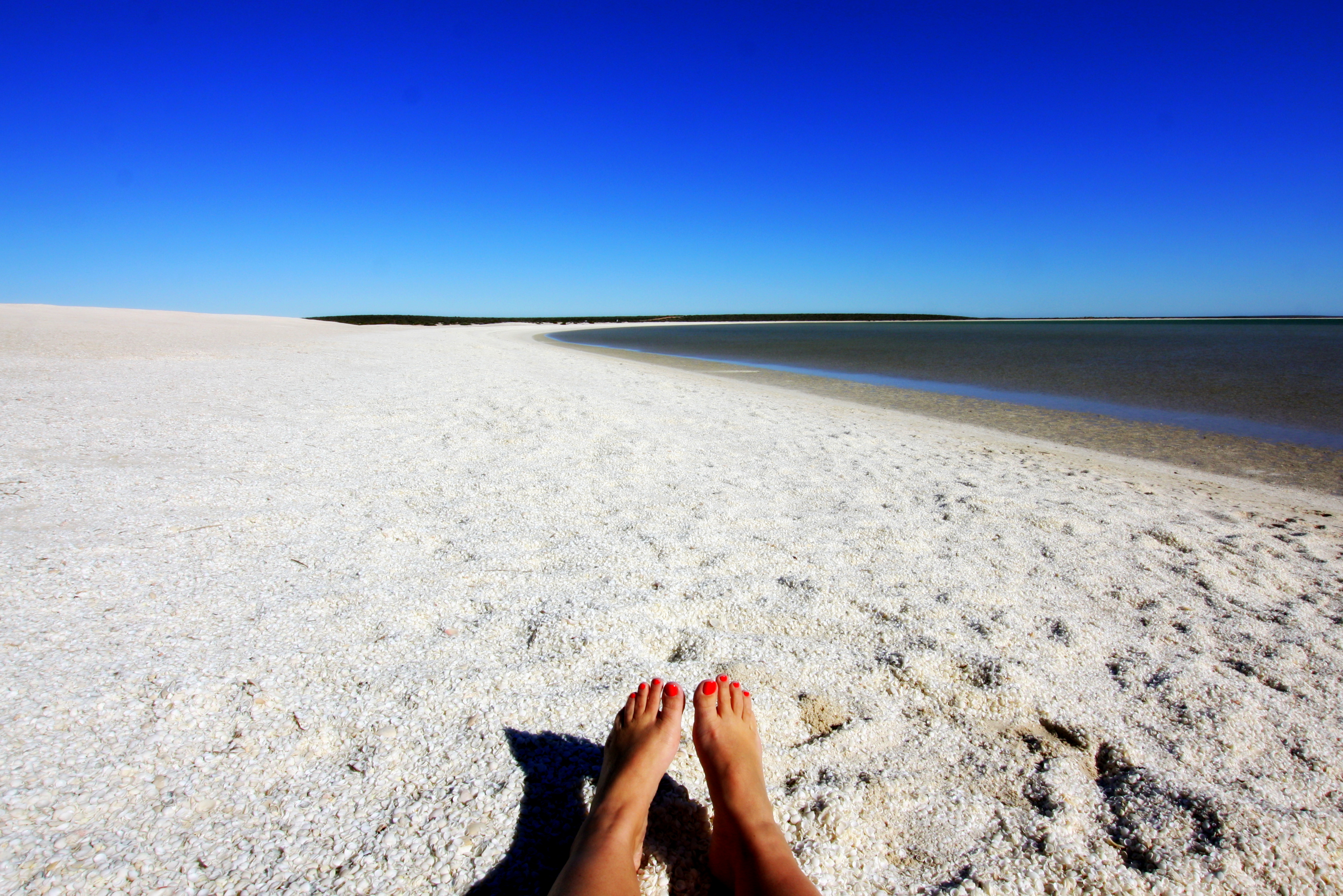
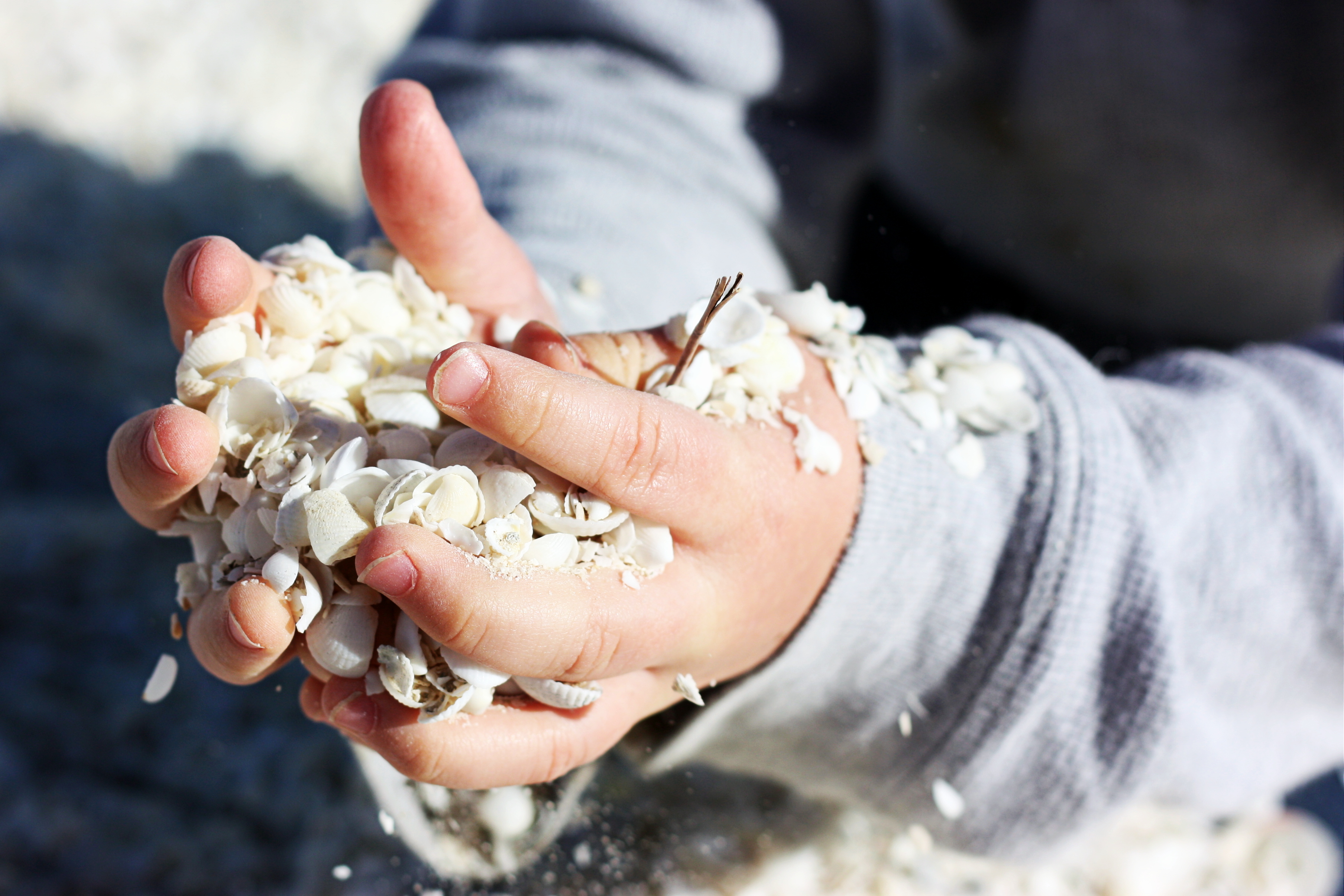
Shell Beach, by @debsnet

While I’ve acknowledged before that we need to give ourselves permission to take a break, I’m often not very good at it. Sometimes I have to force myself to take a break.

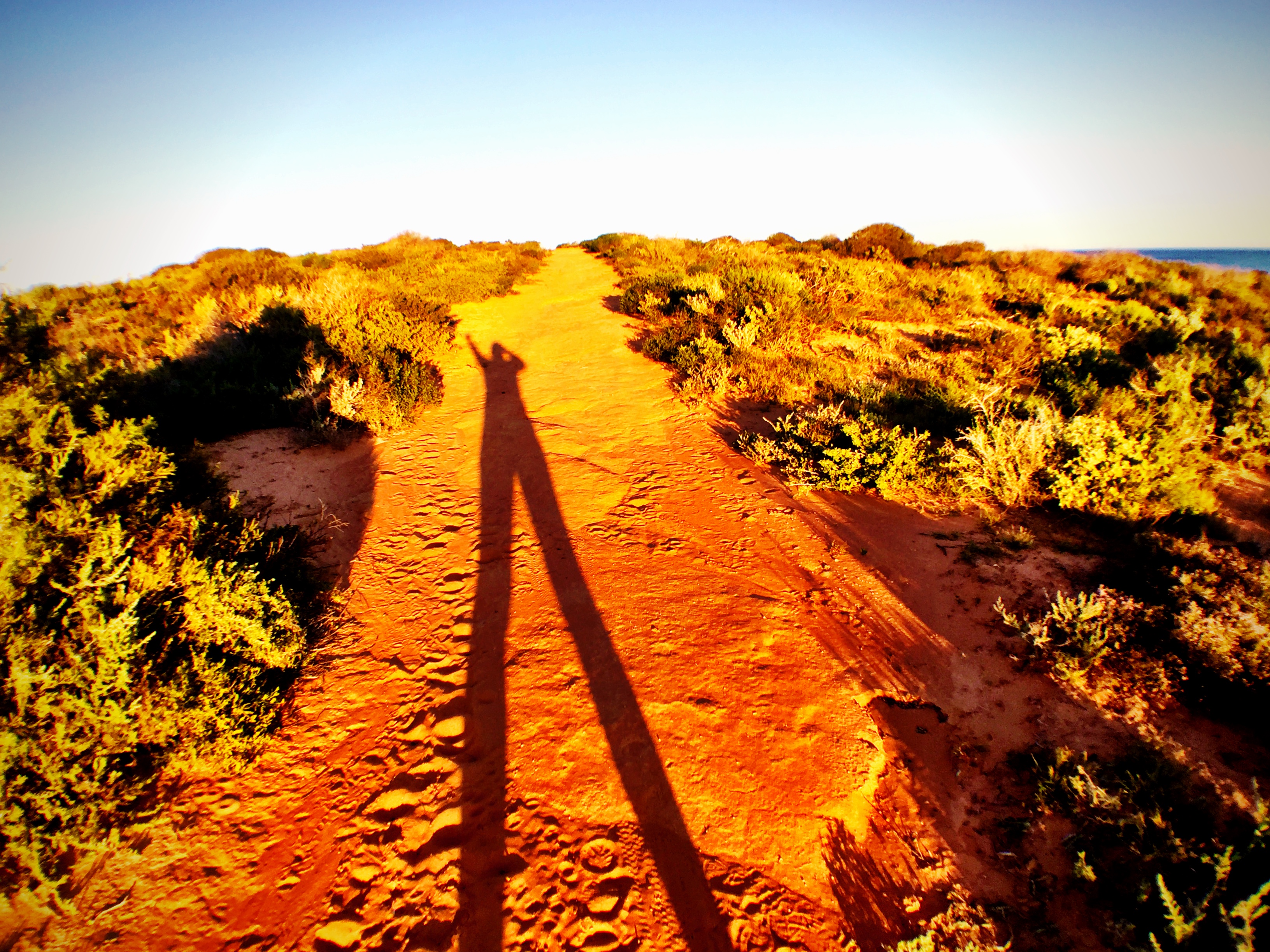
long shadows in red dirt, by @debsnet

After an eleven week term, at the end of which I spent an entire weekend slogging away at my thesis, I was obsessed. Obsessed because all my waking and teeth-grinding-sleeping moments were taken up with work or PhD. My thoughts about my doctoral research were permeating every crevice of my mind and each nook of my time.

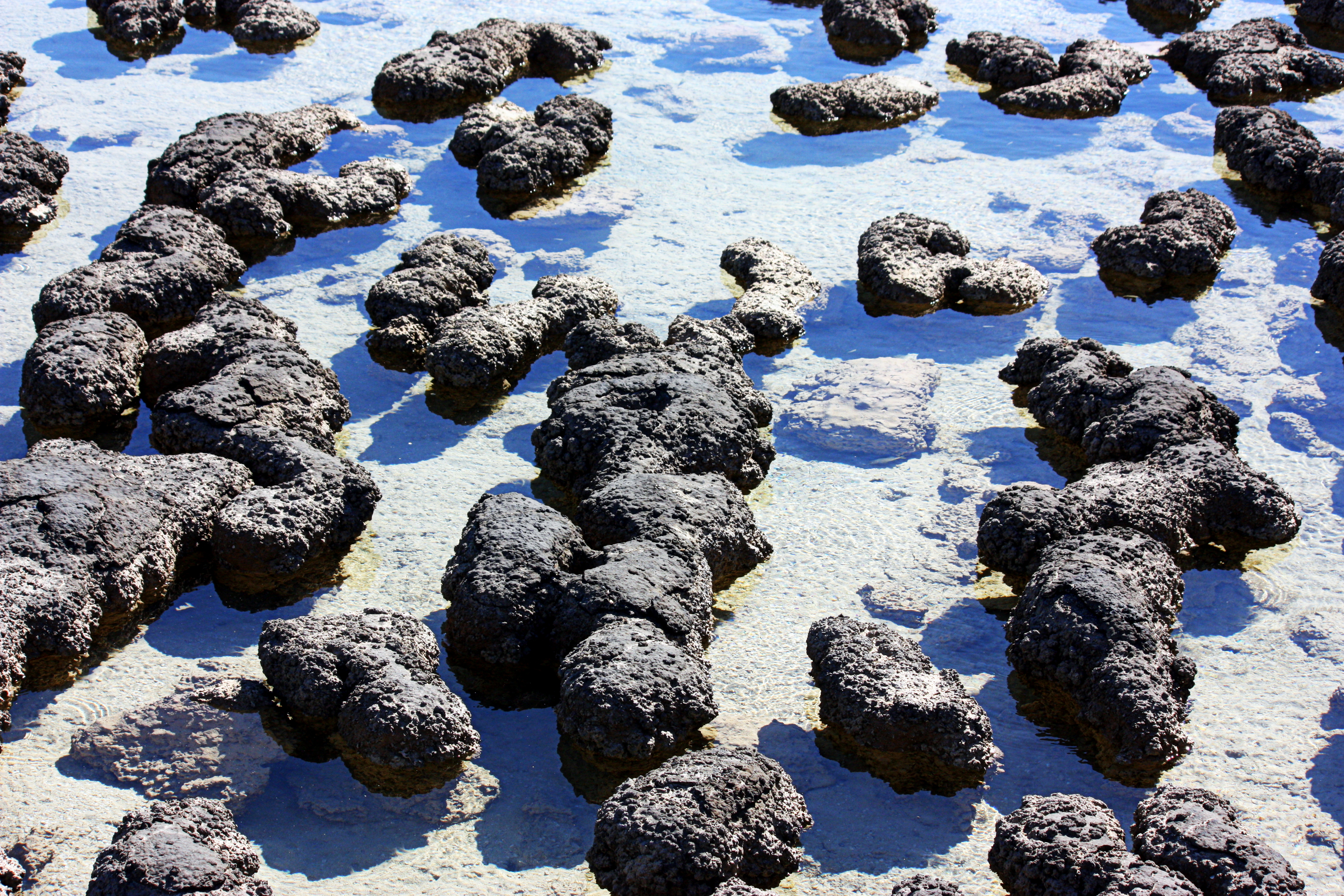
Hamelin Pool Stromatolites, by @debsnet

I was delighting in this immersion. I was happy to be thinking about the thesis on my walks, in the car, in the shower, in my sleep. I felt like it was a super-productive push-to-the-end mindset. My mind was on all the time. PhD-wise, I was excited about my findings, my conclusions, my writing. But I was also exhausted.

Monkey Mia, by @debsnet

And then school holidays were upon me, and with them a pre-planned outback road trip with my husband and my two-under-five. I considered taking my doctoral work with me. I have so much to do, I thought. A thesis to revise, a conference paper to write. Just imagine how much reading and editing I could get done in long car trips or at the campsite.

Shell Beach, by @debsnet

As someone who considers blogging or participating in education Twitter chats as ‘down time’ (I know – how relaxing!), how could I contemplate a complete break? How could I go from an escape dedicated to working on my PhD ~ my recent PhD writing and revision retreat ~ to a trip taking an enforced break from it?

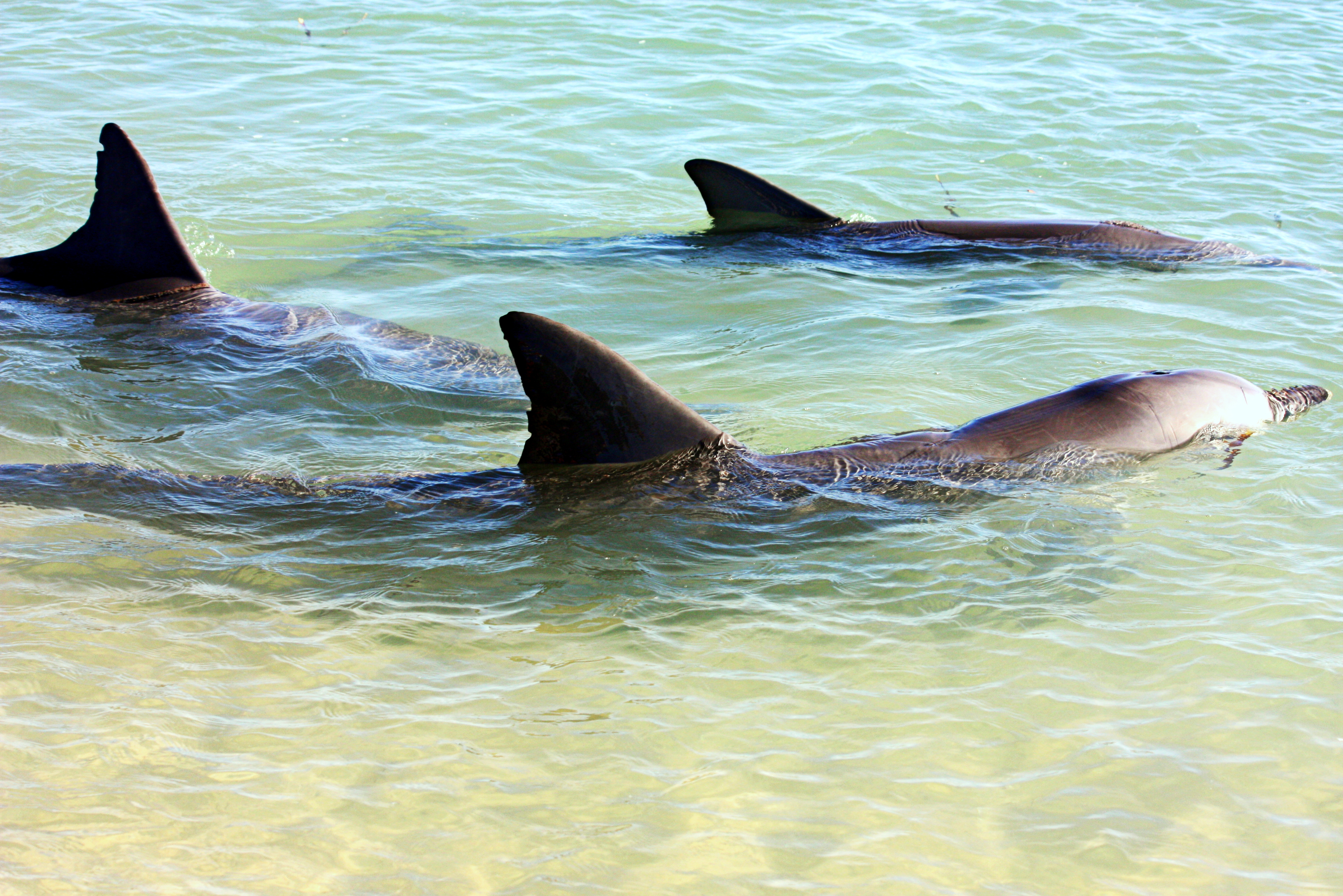
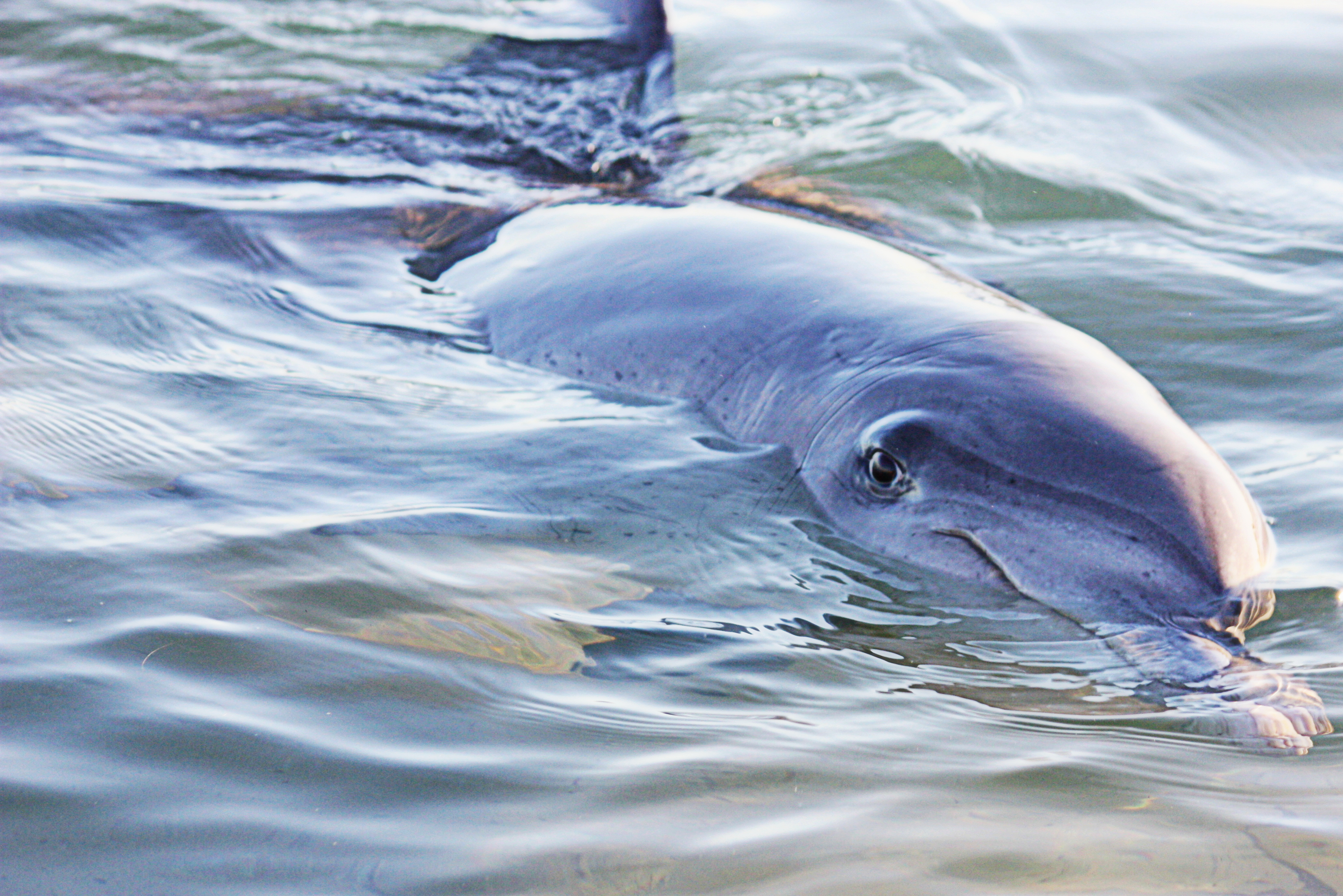
Monkey Mia dolphin, by @debsnet

I knew it was healthier to take a rest. Pause. Cut the cord for six days of just being, exploring and adventuring. Breathe.

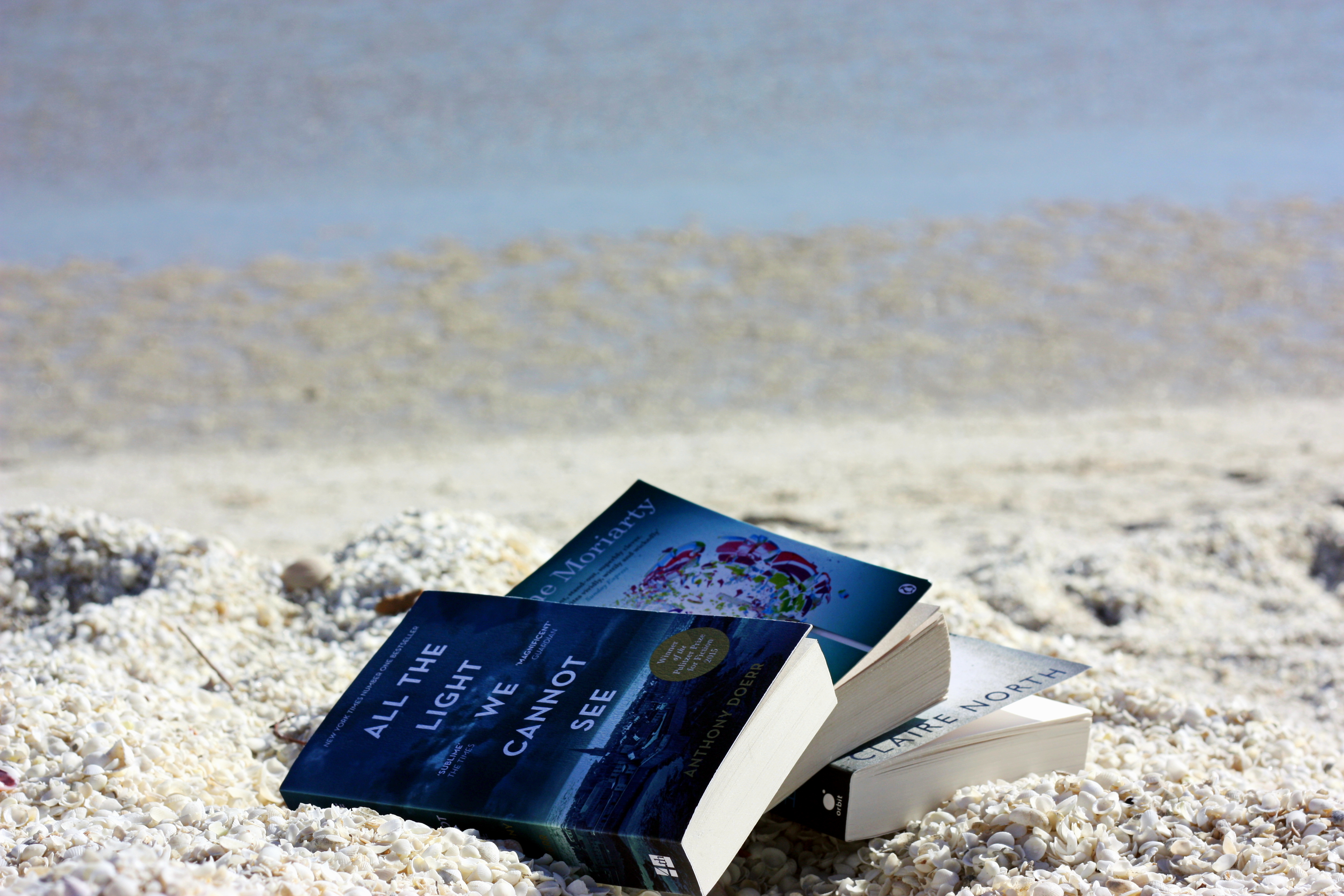
fiction pile on Shell Beach, by @debsnet

Thinking back to my 3 words which set my intentions for this year, taking an outdoor-family-faraway break fits best with presence. Embodying human being rather than human doing. It was about being with my husband and kids, and being in nature.

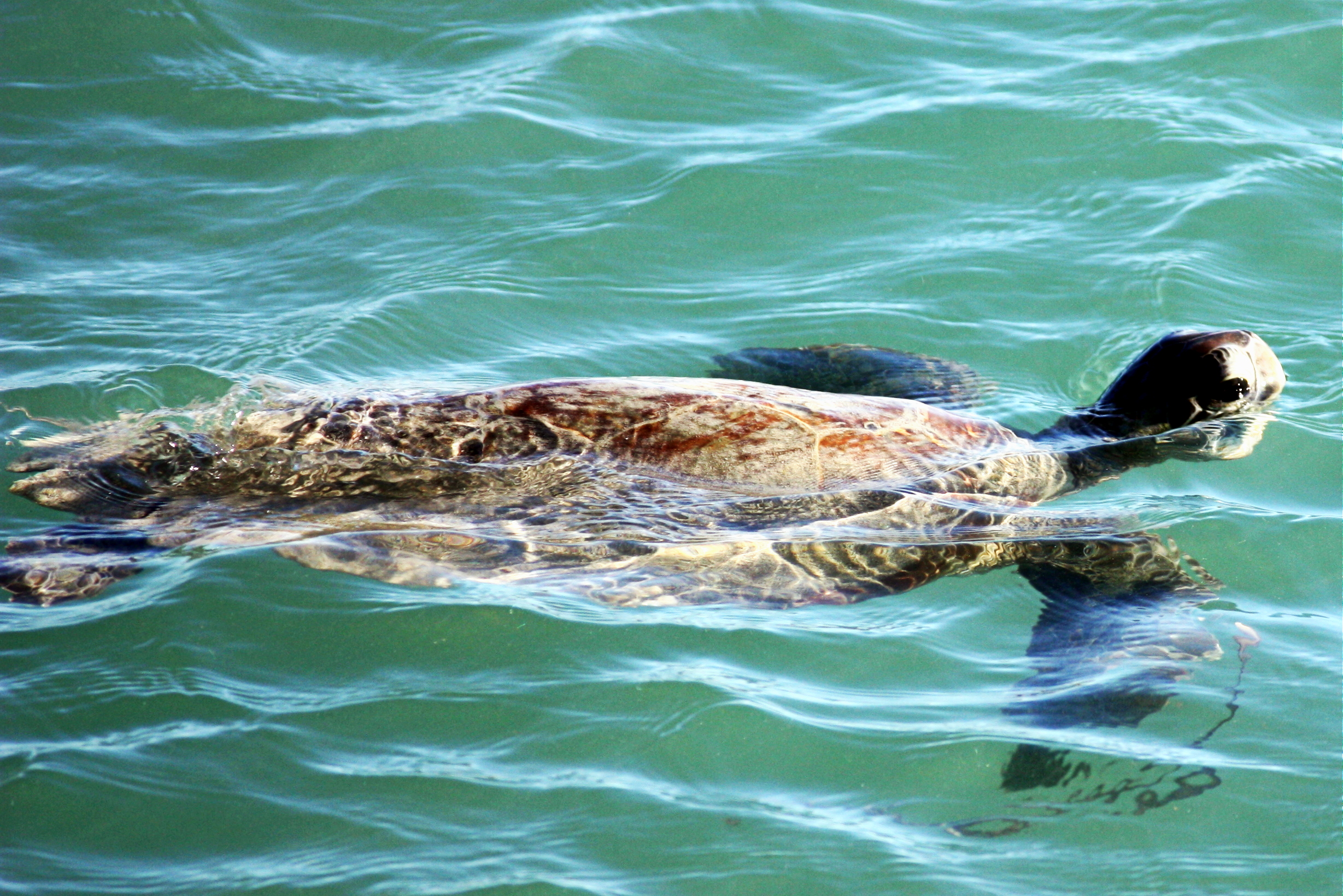
green turtle, Shark Bay, by @debsnet

There are some studies, like this and this, which explore how and why being in nature makes us feel better, improves wellbeing and enhances mental health. Anecdotally, most of us would attest to feeling ourselves melting into a more relaxed state when we spend time grounding ourselves outdoors. Curling our toes in soil, sand or snow.

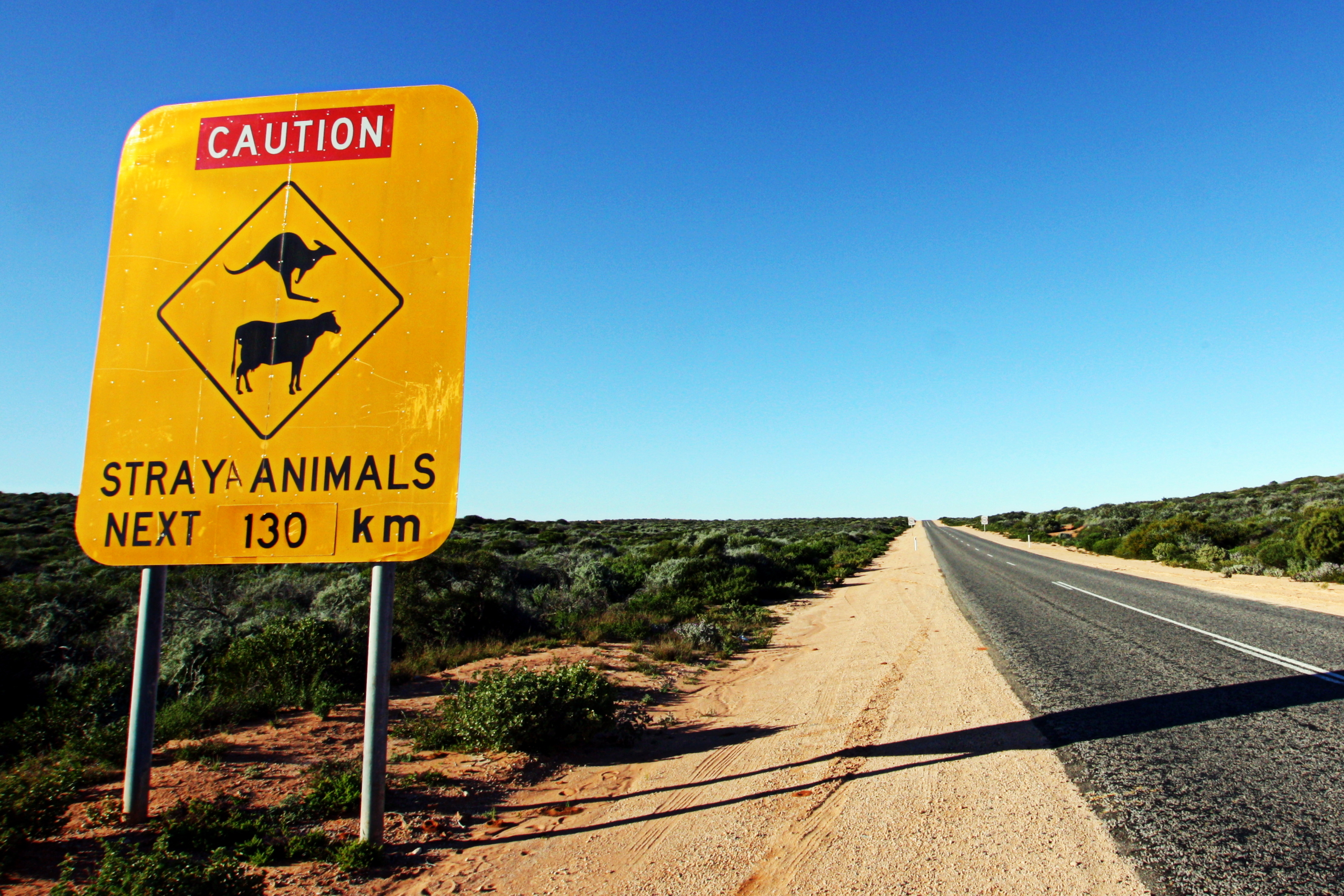
Straya animals, by @debsnet

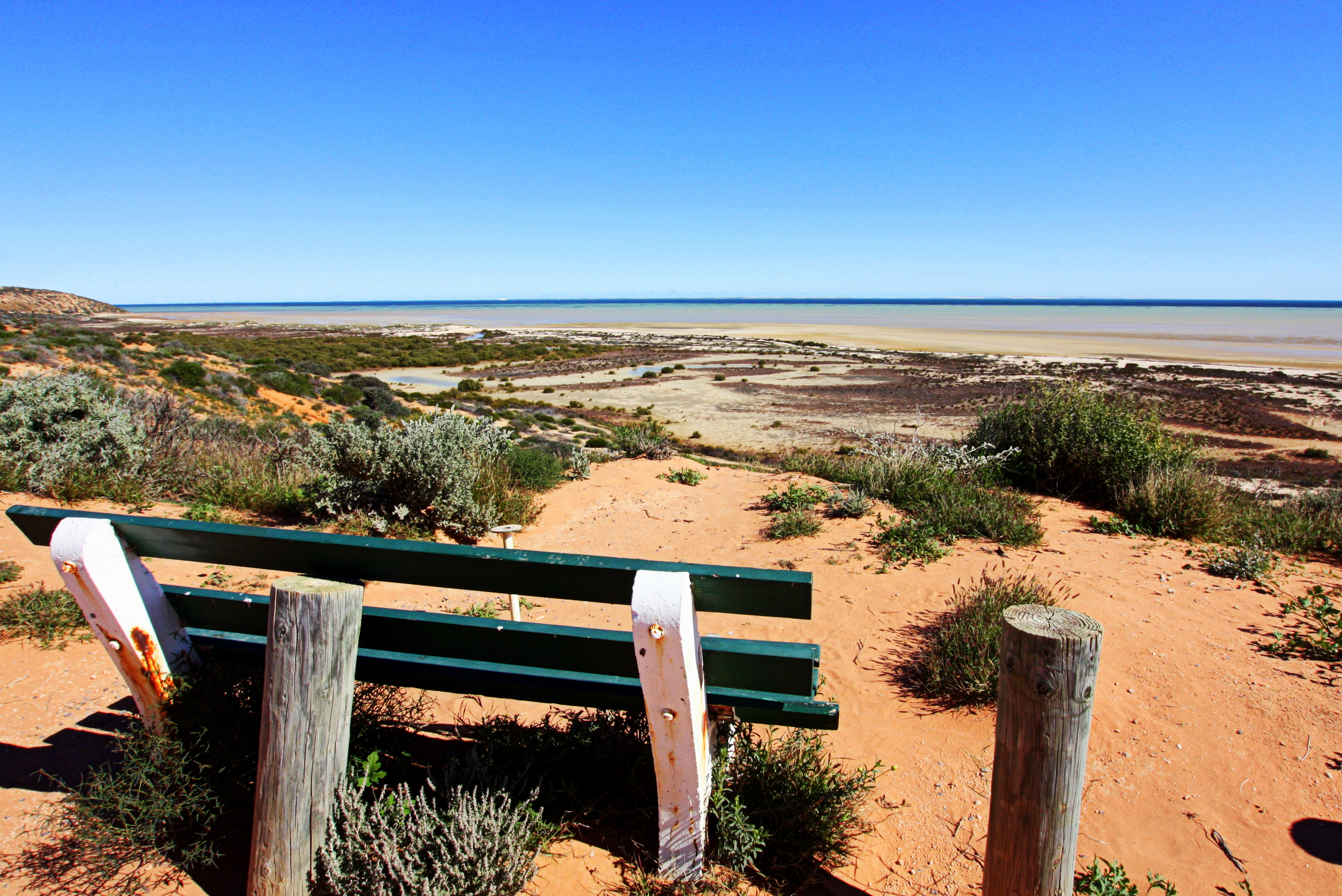
I’ve written before about spaces and places that make me feel grounded, inspired or joyful, but this trip was to somewhere I hadn’t been before: Shark Bay, a UNESCO World-Heritage listed peninsula on the most westerly point of Australia.

iron corrugations, by @debsnet

I allowed myself to luxuriate in this time out and time away. I read fiction (not academic texts or student papers!). We hand fed dolphins, visited a beach covered in pristine white shells as far as the eye could see, stomped through red dirt, went star gazing, saw the world’s oldest living fossils. The pictures in this post give you a sense of what I experienced.

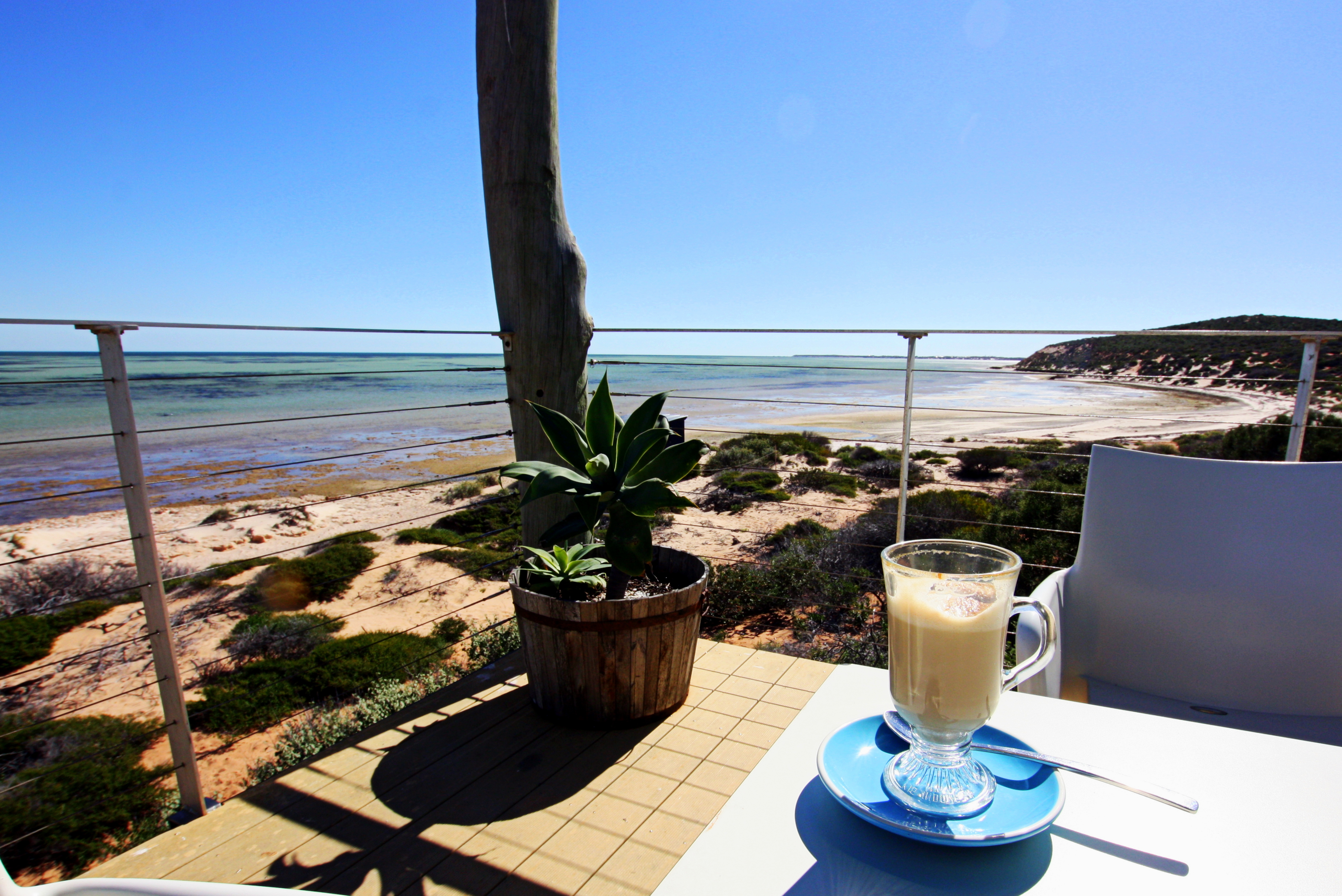
Ocean Park, Shark Bay, by @debsnet

And so I have returned feeling intellectually and physically invigorated. Ready for the next round of PhD and school work, including teaching and leading my school’s new coaching model. I’ve stepped out of my obsessive space for enough time to allow for some recovery, but I’m aware that I need to nestle back into a place of productivity.

wire against blue sky, by @debsnet

As when I returned from Bali earlier this year, I’m hoping I can hold onto my present feeling of increased clarity and renewed wellbeing, channelling this into self-care as well as productivity.

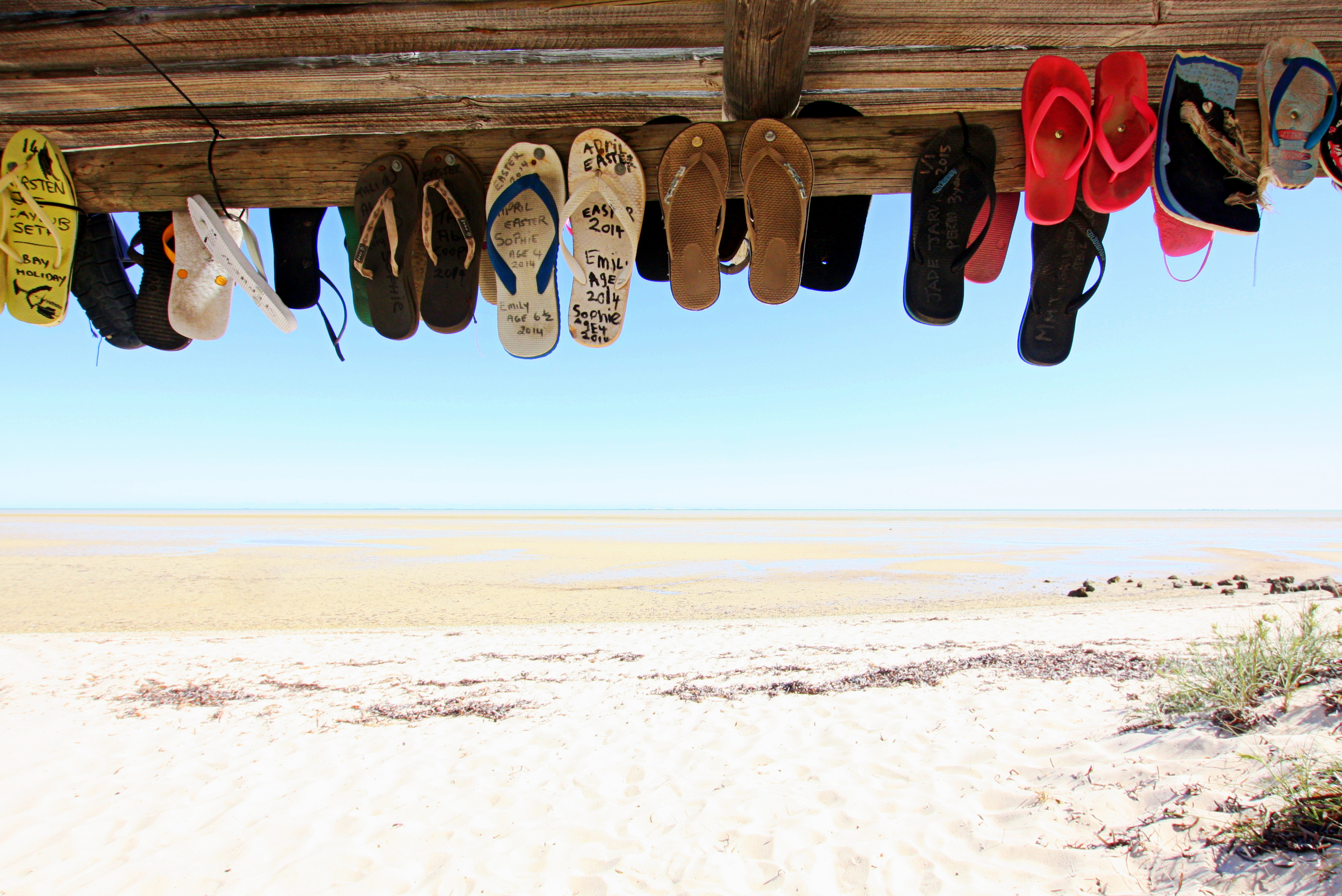
Thong Shack, Denham, by @debsnet

Travel and presence: doors to clarity and joy in life and work

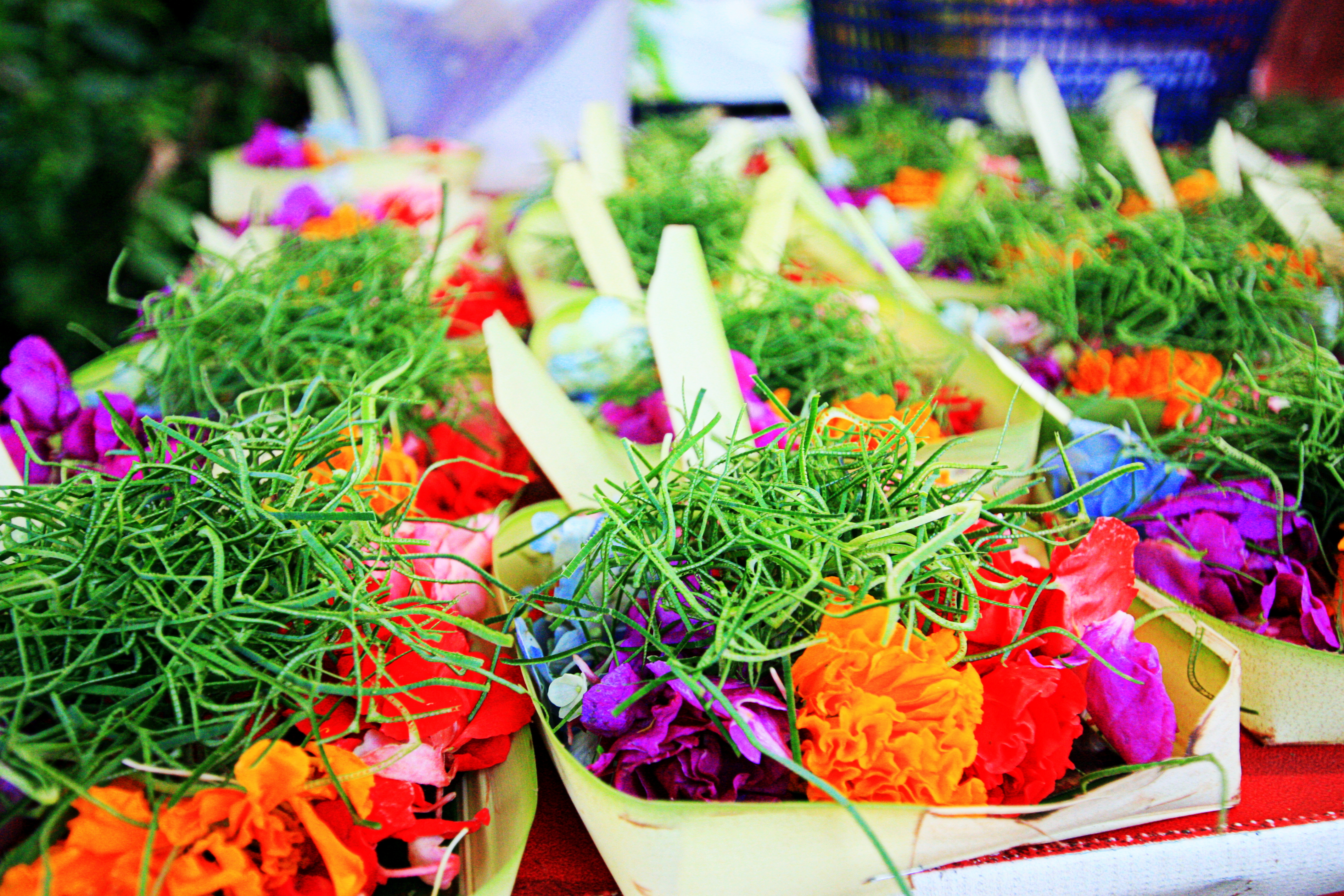
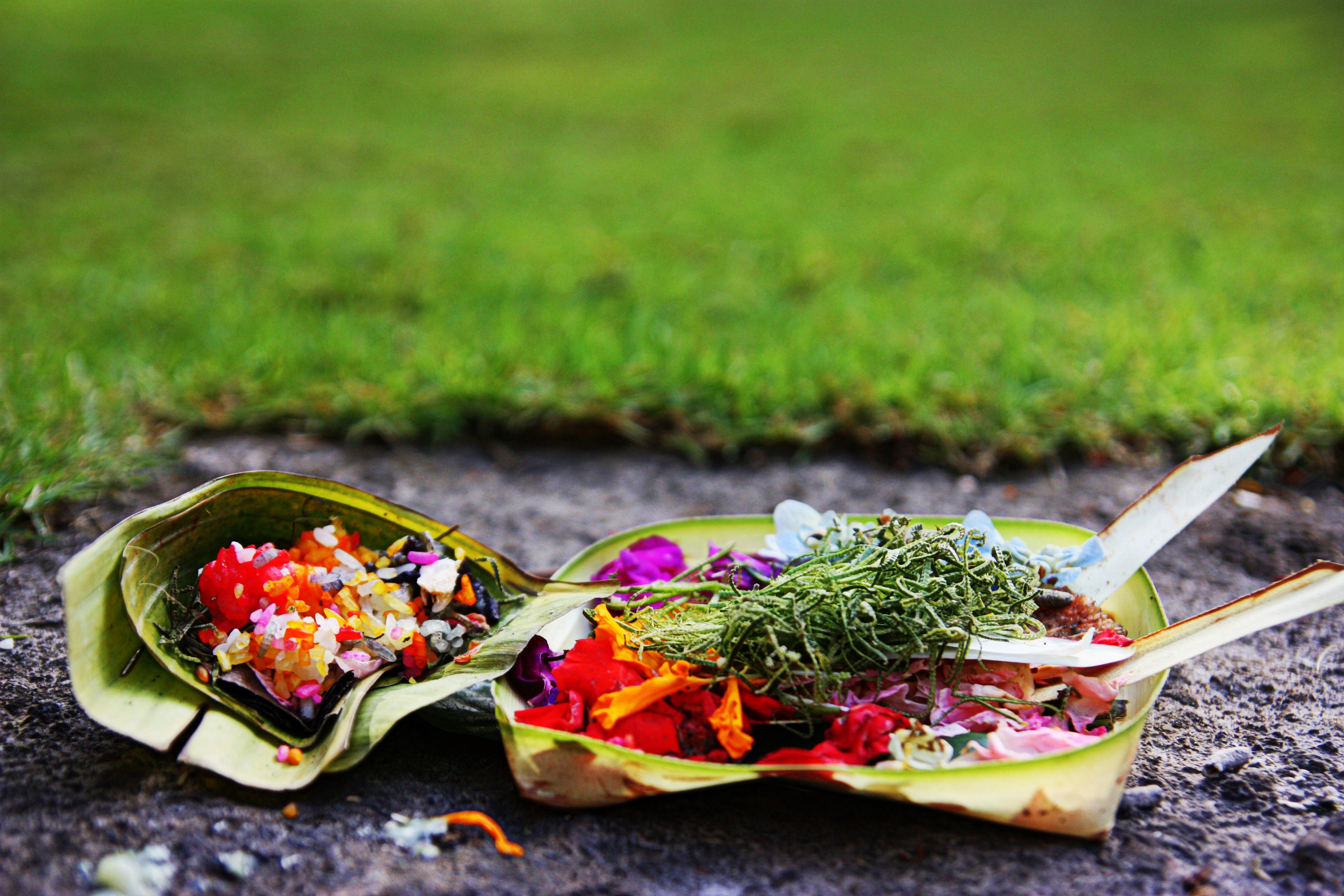
offerings, Canggu, Bali, by @debsnet

table of offerings being made

Wandering re-establishes the original harmony which once existed between man and the universe. ~ Anatole France

In 1964 Baudelaire described the flâneur (or for my purposes, the flâneuse) as “lover of universal life” who “enters into the crowd as though it were an immense reservoir of electrical energy.” He describes flânerie as the mirroring of crowd and environs, in which the flâneur is a “kaleidoscope gifted with consciousness, responding … and reproducing the multiplicity of life and the flickering grace of all the elements of life.”

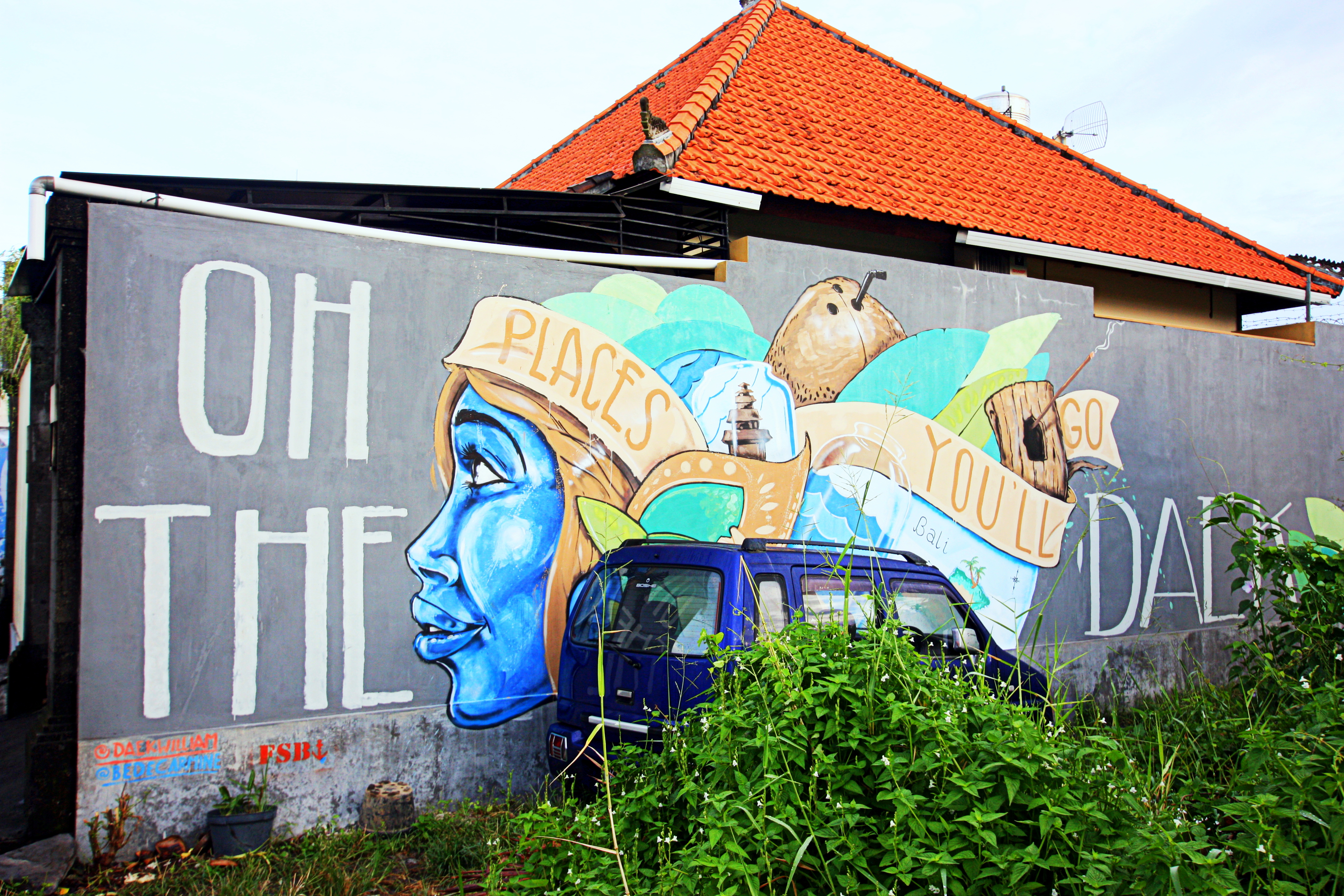
Oh the places you'll go! Canggu mural

Oh the places you’ll go!

As the édu flâneuse, then, I am mindful of channelling this notion of the reflective mirror or refractive kaleidoscope, of being an absorber of words, worlds and wonders. While I try to find awe and gratitude in the everyday, travel is the perfect opportunity for practising the flânerial mindset of intense attentiveness and expansive wide-openness.

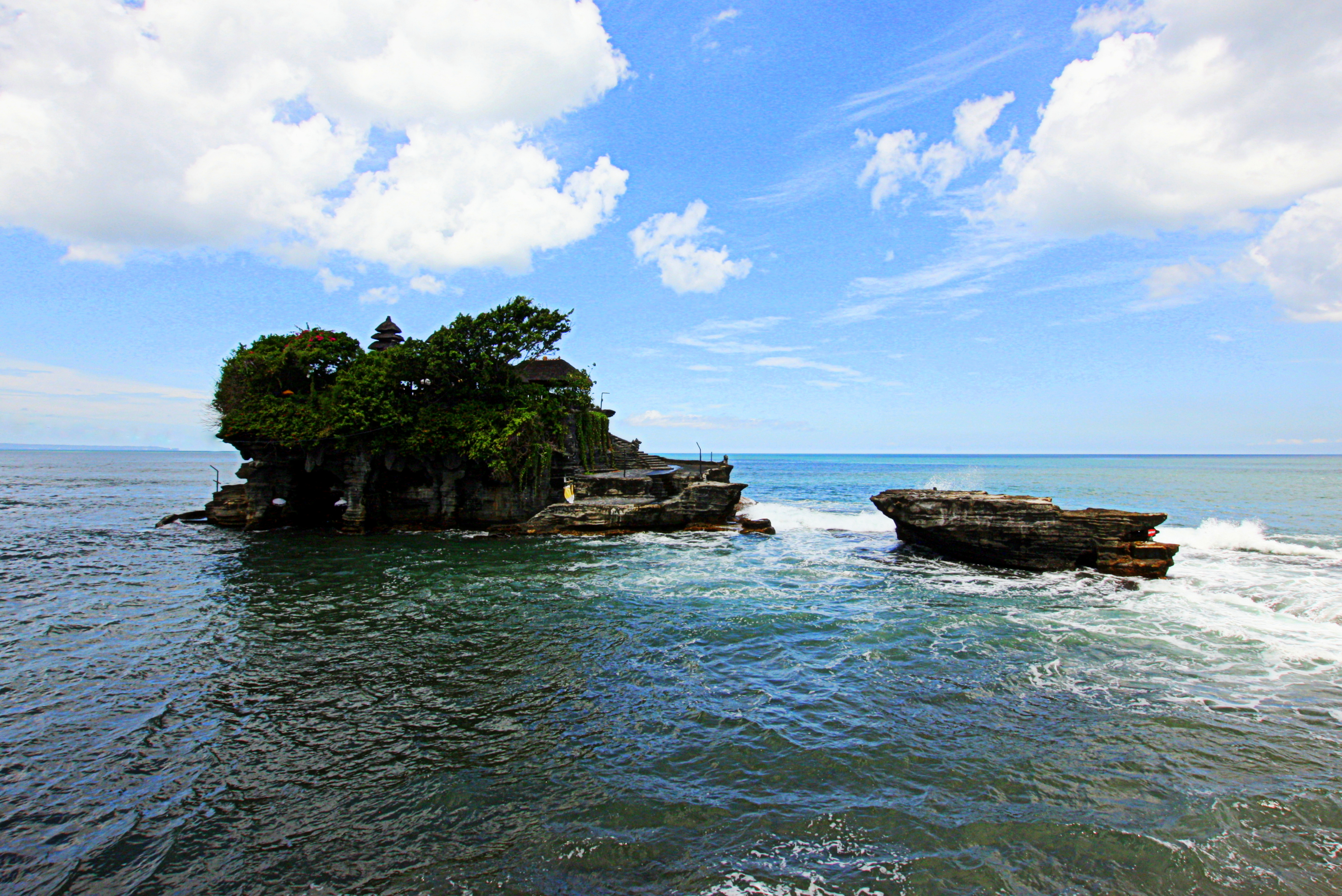
Tanah Lot, Bali, by @debsnet

Tanah Lot temple

My recent trip to Bali, in which I gave myself permission to take a break from work and PhD study (and also blogging and even engaging professionally on Twitter), was the perfect opportunity to embrace flânerie and presence (one of my 3 words of 2015). As well as unplugging from constant mental and physical engagement in work and study, I was focused on the travelling mindset, defined by Alain de Botton as being about heightened receptivity. As Adriano di Prato writes on his blog ‘Permission is Triumph’ we must each say ‘yes’ to living our lives in the way we choose.

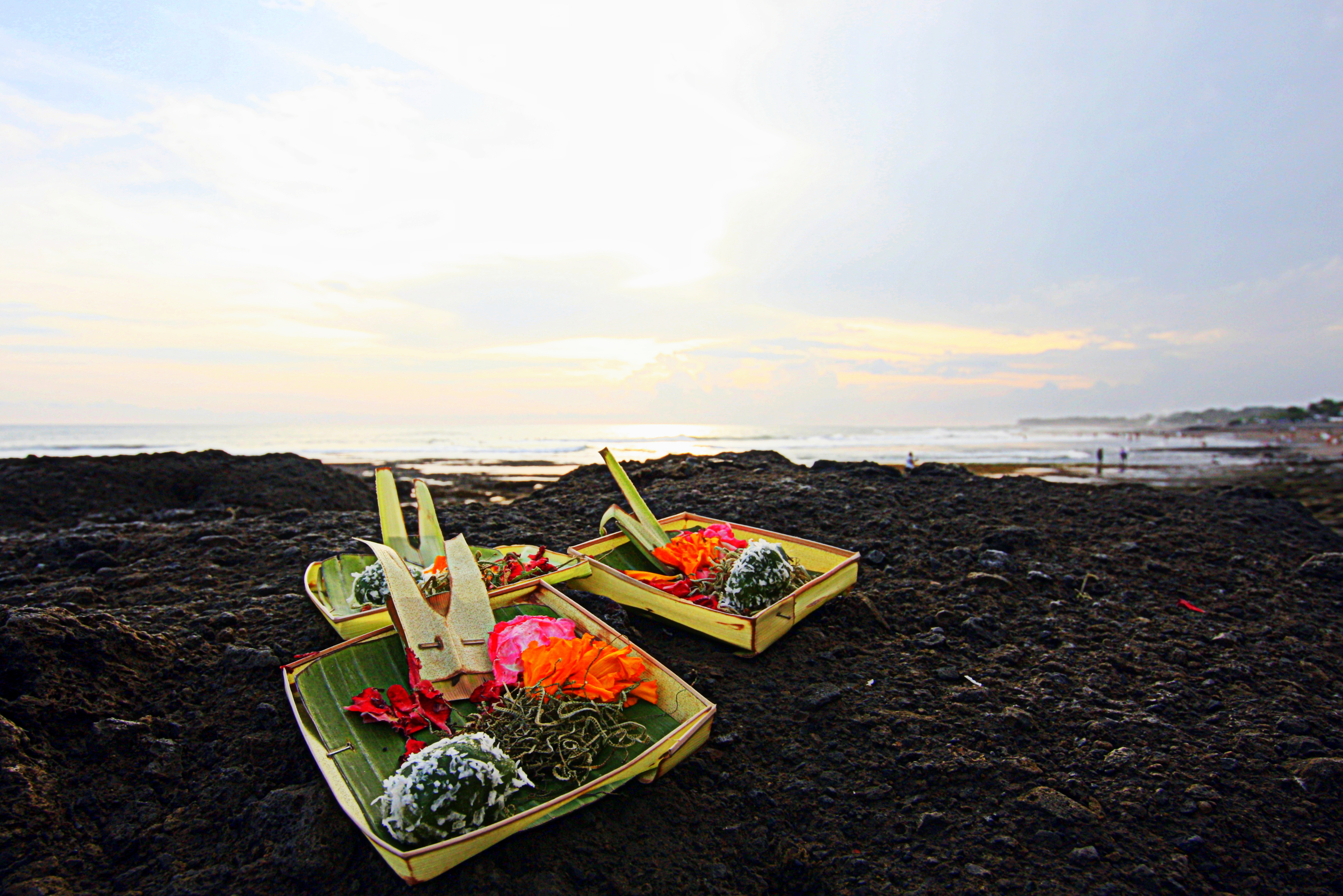
offerings on Echo Beach rocks

offerings on Echo Beach rocks

While I left home in a flurry of jumbled thoughts, to-do lists, marking piles and thesis pages, I have returned almost delirious with relaxation, centeredness and acute awareness of the present moment. The act of travel, and its immersion in people and places, has allowed me to re-ground myself, reflect and practise receptivity, allowing me to (hopefully) return to daily life, work and research with renewed clarity, purpose and joy.

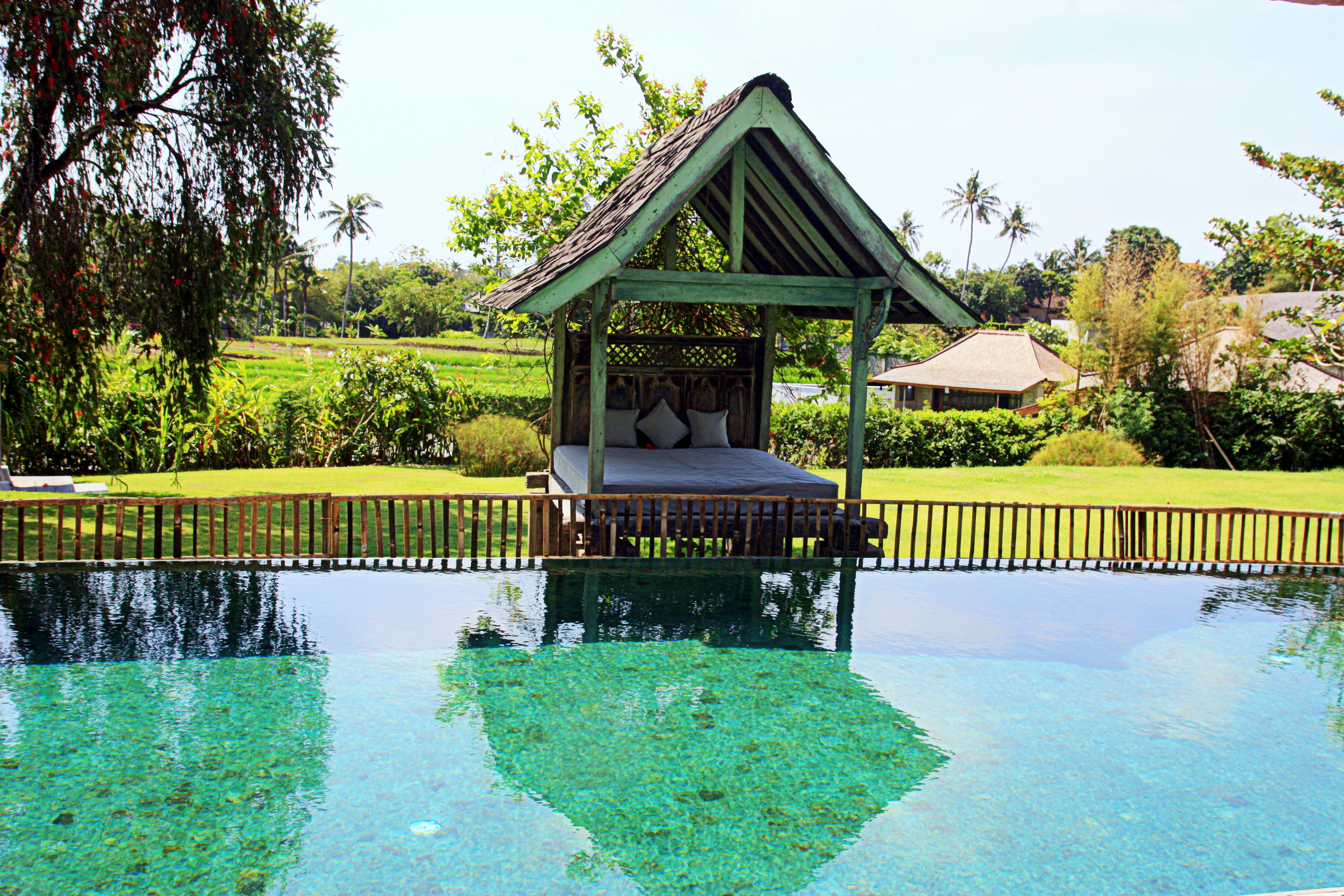
Ayana Resort infinity pool, Bali, by @debsnet

infinity pool at Ayana Resort, Jimbaran

My experiences away included those with my husband, children and friends. But they also included solo flânerial entanglements in environment. Early morning walks often provide these moments for me. In the past I have watched the sun rise above iconic landmarks including Venice’s St Mark’s Basilica and Prague’s Charles Bridge. There is something magical about being alone in the first quiet golden light of day, watching a city wake up, before it is caught in the throes and machinations of its daily grind. This trip was no exception.

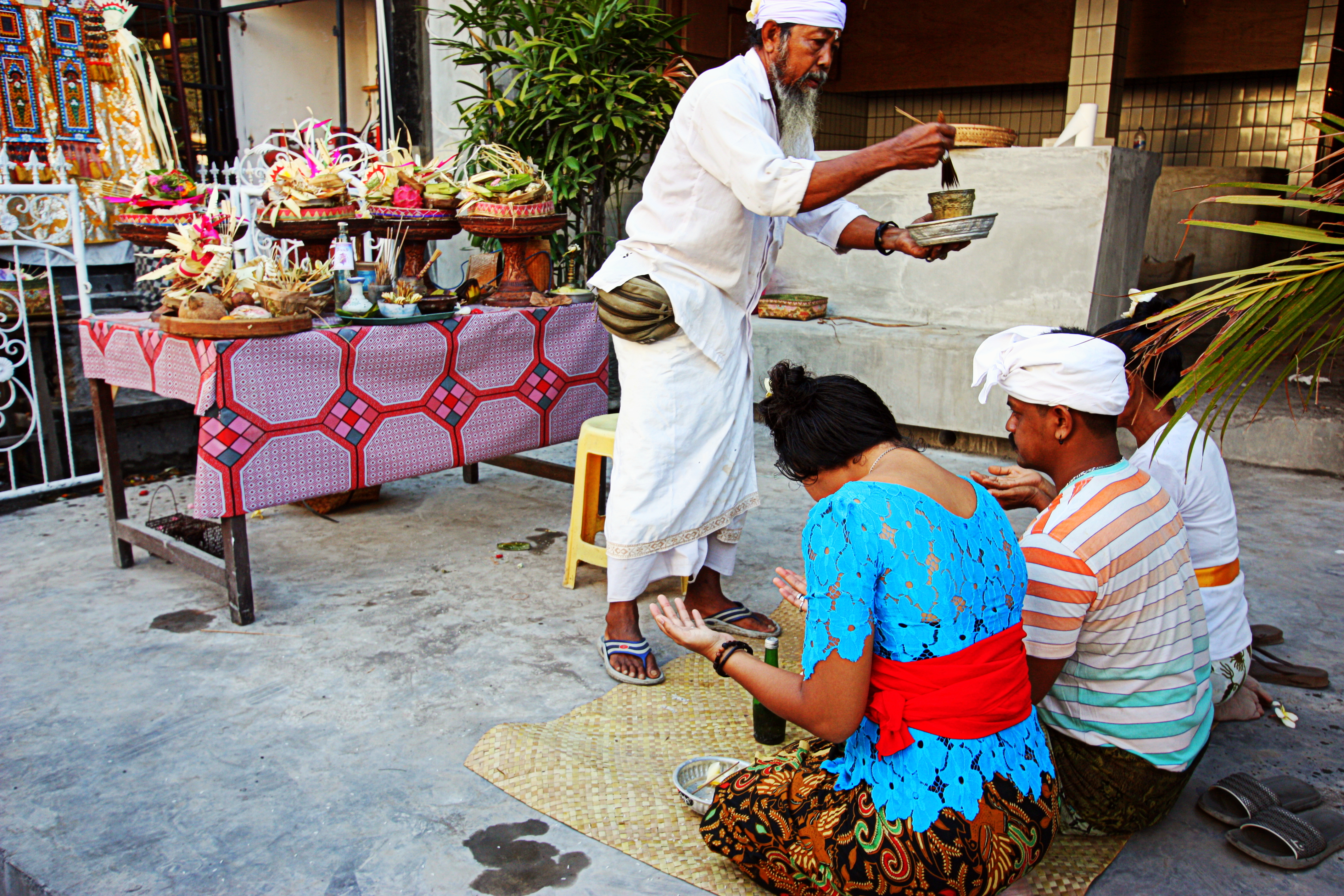
Tumpek Wayang ceremony, Seminyak, Bali, by @debsnet

Tumpek Wayang ceremony, Seminyak

One morning, as I wandered through the streets of Seminyak at dawn, I happened upon a Tumpek Wayang ceremony in which three individuals were led by a holy man in ritual. I was first drawn to this small ceremony by the sounds – the pealing of bells and the twittering of a small caged bird. I drew closer and sat nearby to watch as the ceremony continued, with prayers, offerings and sacred rites conducted with grace and in luxuriant colour. I have since discovered that Tumpek Wayang occurs every 210 days and that its purpose is to honour the god of art and artists, Sanghyang Iswara. After it had finished I was able to talk to the people about the ceremony, its significance and what it meant to them, such as the use of holy rice (bija) for blessings and to bring their god to themselves by placing the rice on their forehead and also by eating it.

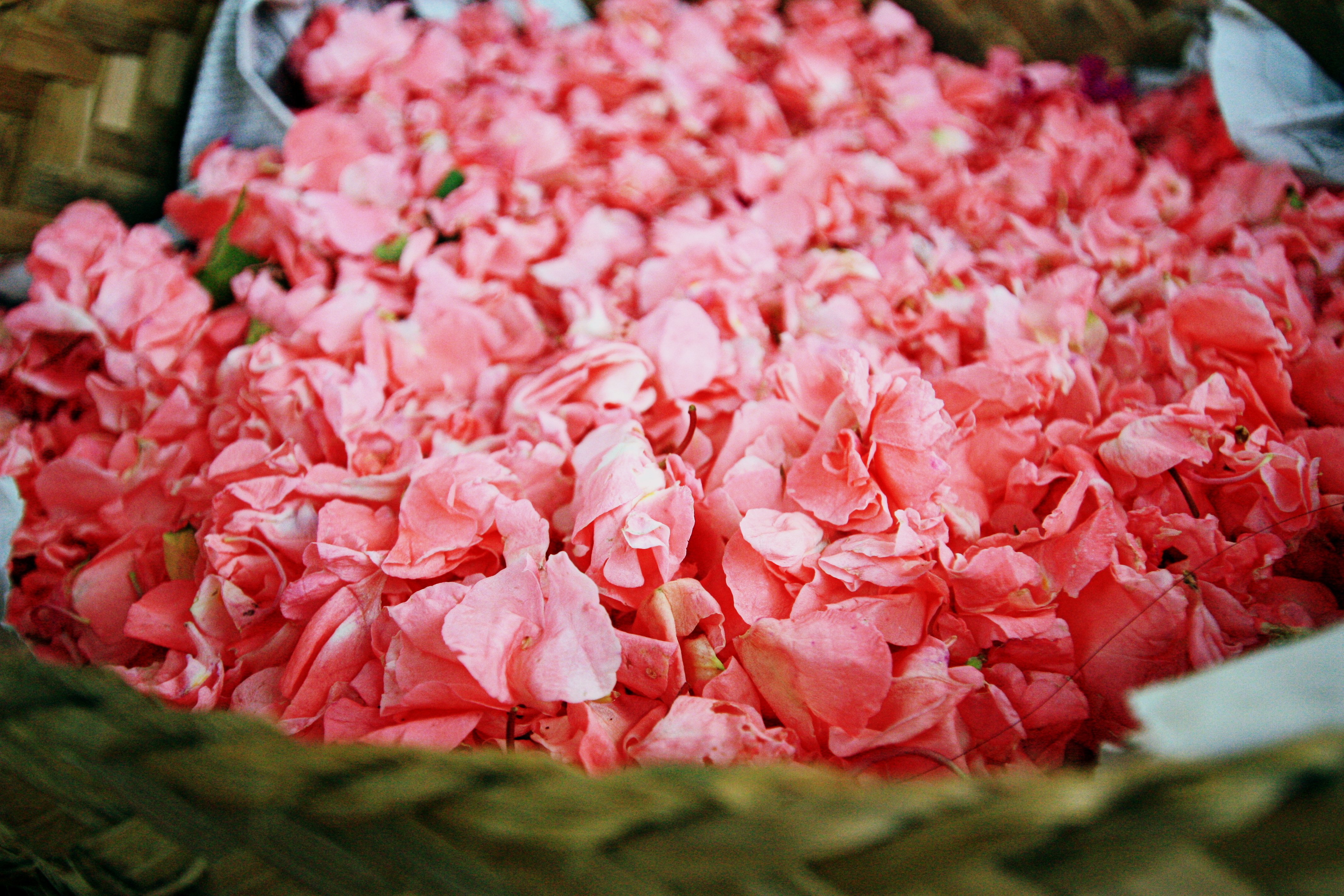
basket of petals, Bali, by @debsnet

basket of petals

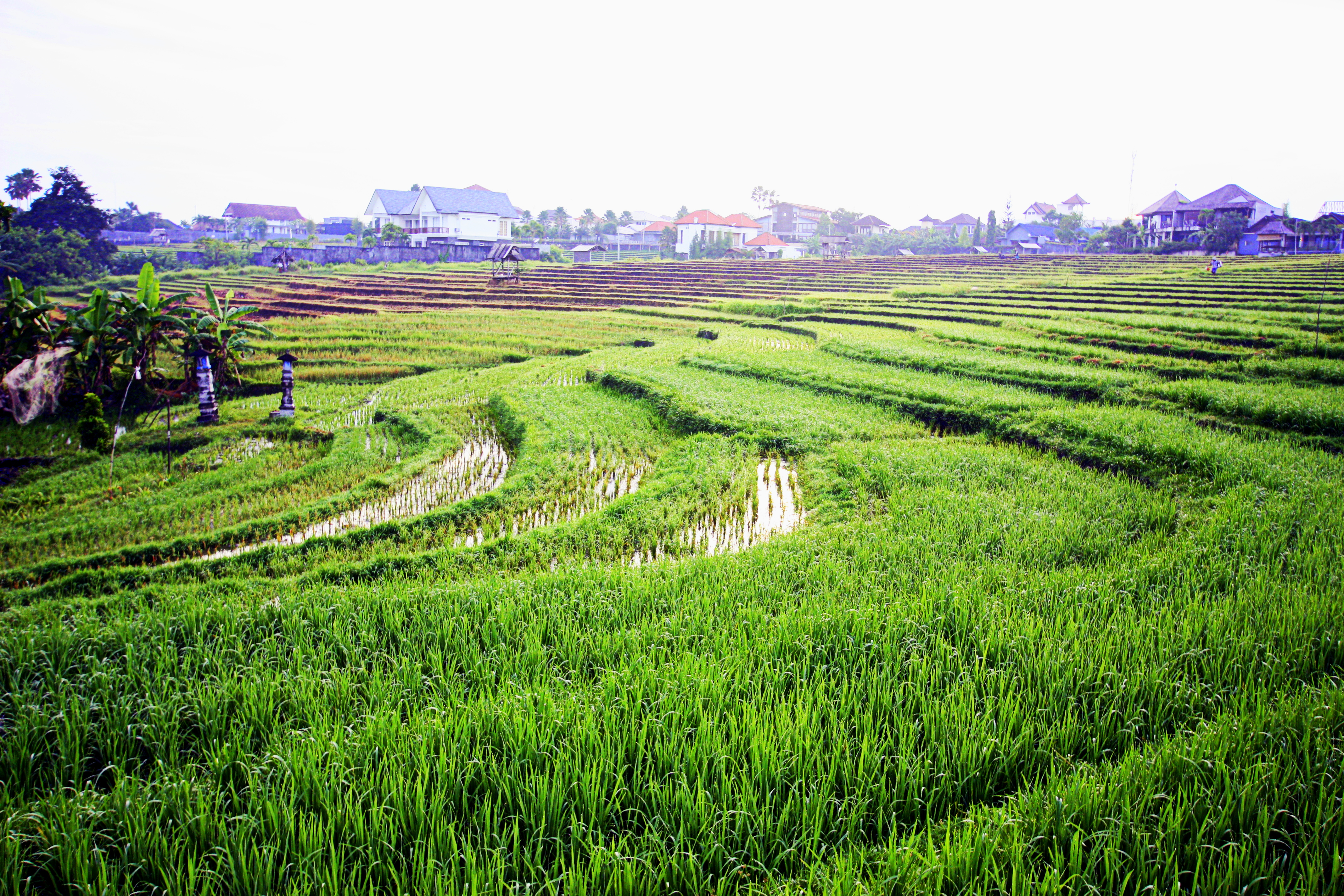
Another morning, wandering through Canggu rice paddies at sunrise, I encountered a Balinese man, or he encountered me, and we began to talk. He asked me if I was a spiritual person, and we spent the rest of the walk discussing spirituality, blessings, meditation, music and love. ‘Love,’ he said, ‘is when the heart smiles.’ We talked about the meaning of Engelbert Humperdinck’s lyrics ‘there goes my everything’ and the role of music in life and self. I don’t speak Indonesian and this man’s English was limited, but we connected at a moment in time and managed to communicate across cultural and language barriers.

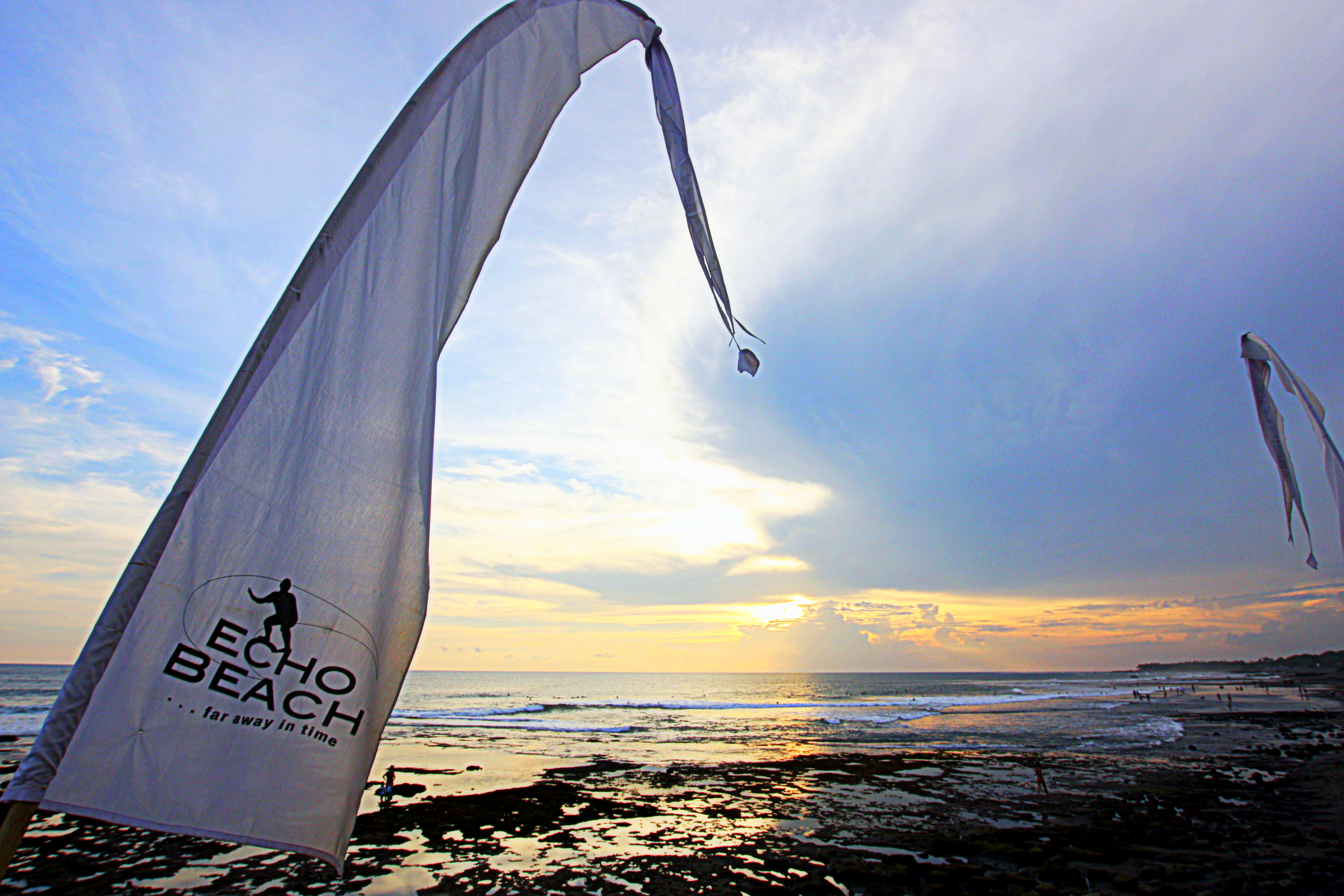
Echo Beach sunset, Bali, by @debsnet

Echo Beach, far away in time

These experiences, as well as other small moments like watching the sunset colours change or talking to a woman as she made the morning’s offerings from baskets of soft petals, allowed me to connect presence, self and world, experiencing it in open, receptive and reflective ways.

Vue Beach Club, Canggu, Bali, by @debsnet

beach club sunset

I have returned from my trip hopeful that I can hold on to this feeling of openness-to-noticing and use my flânerial Spidey senses as a tool to keep me centred on my axis. I am considering how I might bring the idea of paramaterising my commitments to work and PhD into my weekly existence. How might I make attentive noticing and openness to unexpected conversation a daily practice? How might I take more regular self-care breaks in order to restore clarity, increase productivity and protect wellness?

When you take your attention into the present moment, a certain alertness arises. You become more conscious of what’s around you, but also, strangely, a sense of presence that is both within and without. ~ Eckhart Tolle

Canggu rice paddies, Bali, by @debsnet

Canggu rice paddies


Giving ourselves permission for a break: time away as self-care and strategic productivity

“What day is it?” asked Winnie the Pooh. “It’s today,” squeaked Piglet. “My favorite day,” said Pooh” ~ A.A. Milne

Villa Artis, Bali by @debsnet

Early tomorrow morning I will be on a plane to an island destination for a holiday with family and friends. I should be dreaming of silky cool pool water, fire-coloured sunsets over the ocean, meandering rice paddies reflecting blue skies, the sizzle of seafood on the beach and the clink of ice blocks in cocktail glasses.

Canggu beach, by @debsnet

And yet I have been thrashing around trying to decide whether or not to work or study or blog while I am away. Or whether I can leave it all behind and take a real break, despite ceaseless deadlines. I wonder if this is a common phenomenon in a world in which we are constantly connected to each other, constantly available to our workplaces and constantly curating, creating and sharing vignetted content of our lives and work. While flexible working hours can allow us to make adaptable life choices and social media can allow us to connect with others, do they also contribute to a cycle of relentlessness which we find difficult to break away from?

rice paddies, Umalas, by @debsnet

I have decided that I need to take a full thinking, writing, marking, everything break from my worlds of work, research and writing. One of my three words of 2015 is ‘presence’, so partly this break is about a commitment to being present with my children, husband and friends during our trip. But it is also about being ok with taking an actual break and with a commitment to self-care. I am someone who sees blogging as a break from PhD writing. Or PhD writing as a break from marking. So the idea of a break from all-of-the-things is foreign and has taken some self-convincing.

offerings, Bali, by @debsnet

There are others who have reflected on the importance of self-care, even as we catapult ourselves towards our goals. Raul Pacheco-Vega wrote on self-care in academia and the importance of privileging your own health and wellbeing. New Zealand author Celia Lashlie, who I’ve had the pleasure of hearing speak about her work, died in February after releasing a statement which read, “My wish is that others will learn to stop before I did, to take into account the limitations of their physical bodies and to take the time to listen to the yearnings of their soul. It is in the taking care of ourselves we learn the ability to take care of others.”

Seminyak sunset, by @debsnet

I love my work and my research, and most of the time I find a tenuous work-family balance. I wrote on the PhD Talk blog about the way that normally it works for me to have many things on the go, as doing any one of them feels like a holiday from the others. I also spoke there about the importance of quiet in-between times. That is, often I make the most cognitive or creative progress, on my PhD thesis or a strategic work problem, when I am walking, or driving, or taking time to be quiet and still. So luxuriating in a full, unadulterated, brazen break is also a strategy to vacation, to vacate the demands of everyday life, in order that I might return with some mental clarity and physical energy to tackle the rest of this year, which includes for me, finishing my PhD thesis and successfully implementing the professional learning and growth model at my school.

So give yourself permission for a break, small or large. To unplug from emails, tweeting, writing or planning. To take care of yourself, curl your toes in the earth and immerse yourself in somewhere, somehow or someone that gives you joy.

(Photos in this post are from a previous trip.)

(How did it go? The post-script to this post can be found here.)

Sea Circus, Bali, by @debsnet

When imagination & hard work collide: making something amazing

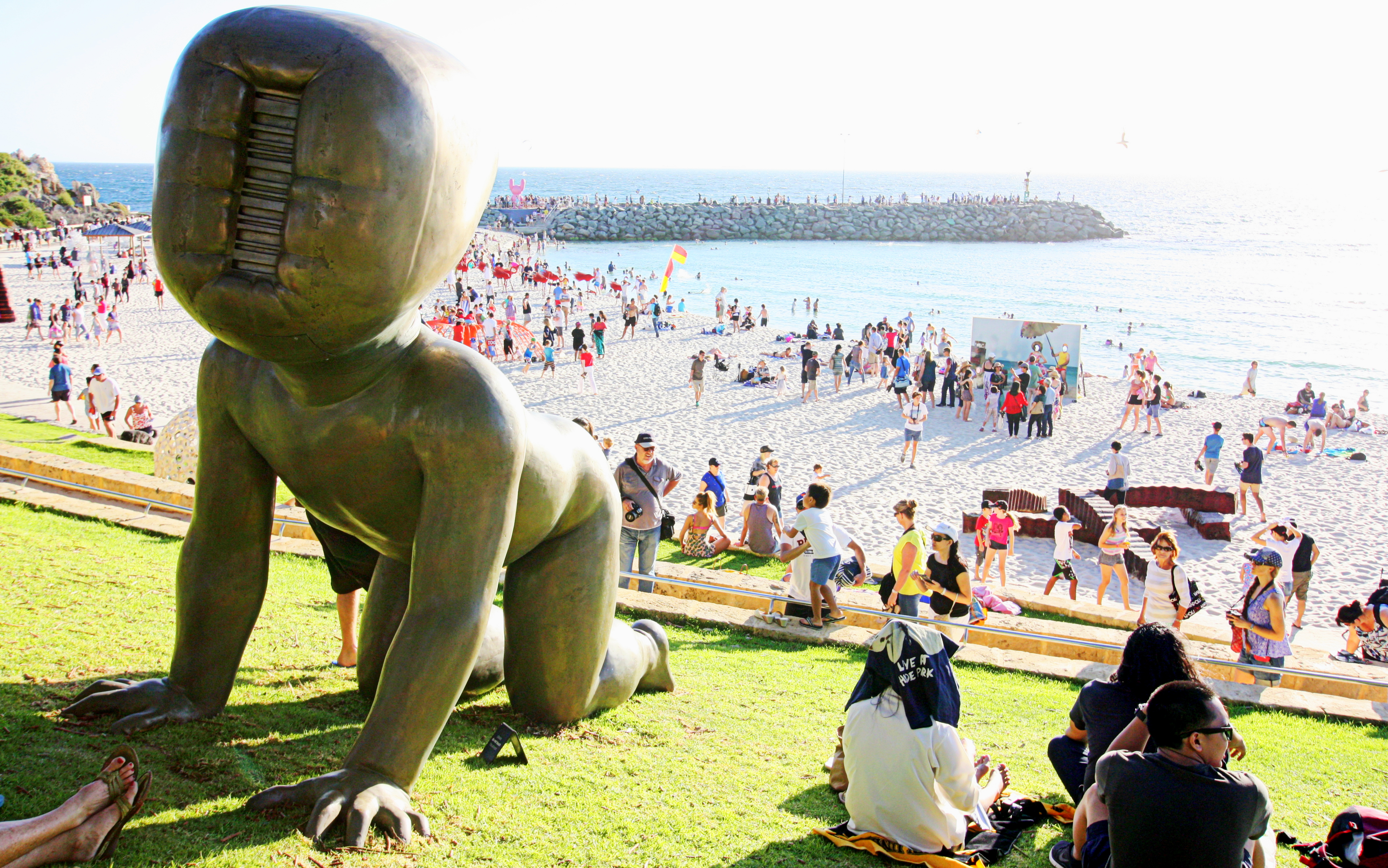
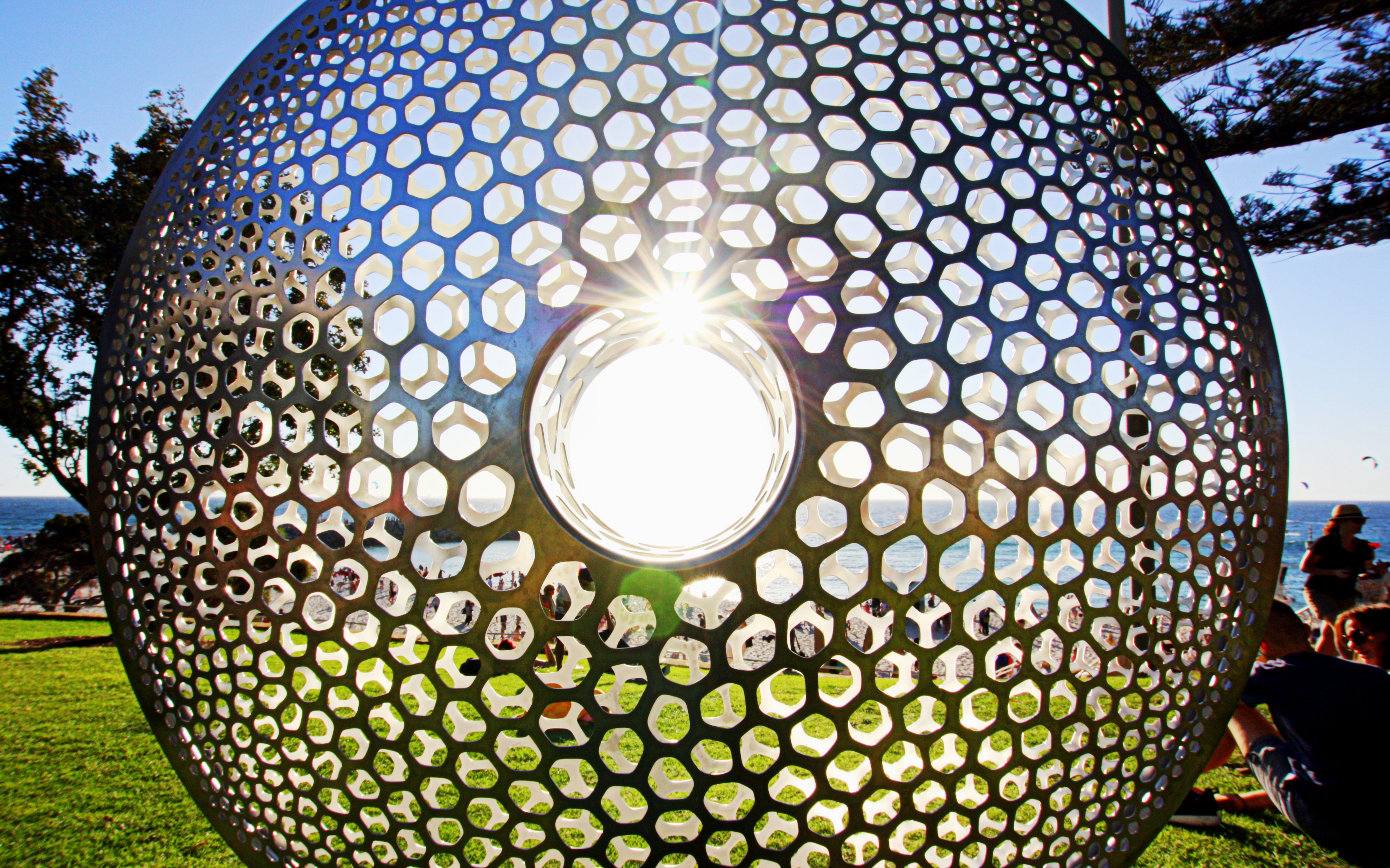
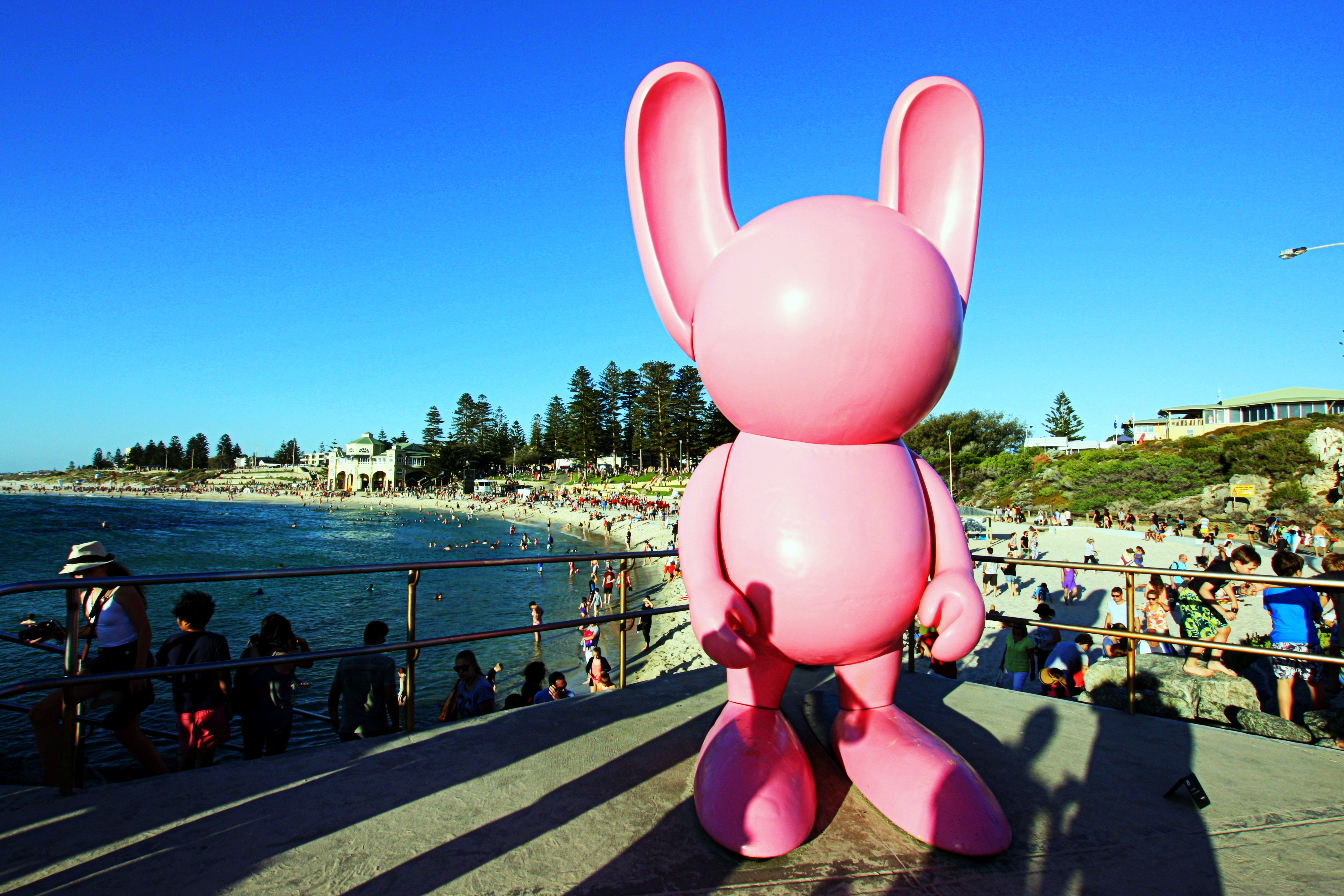
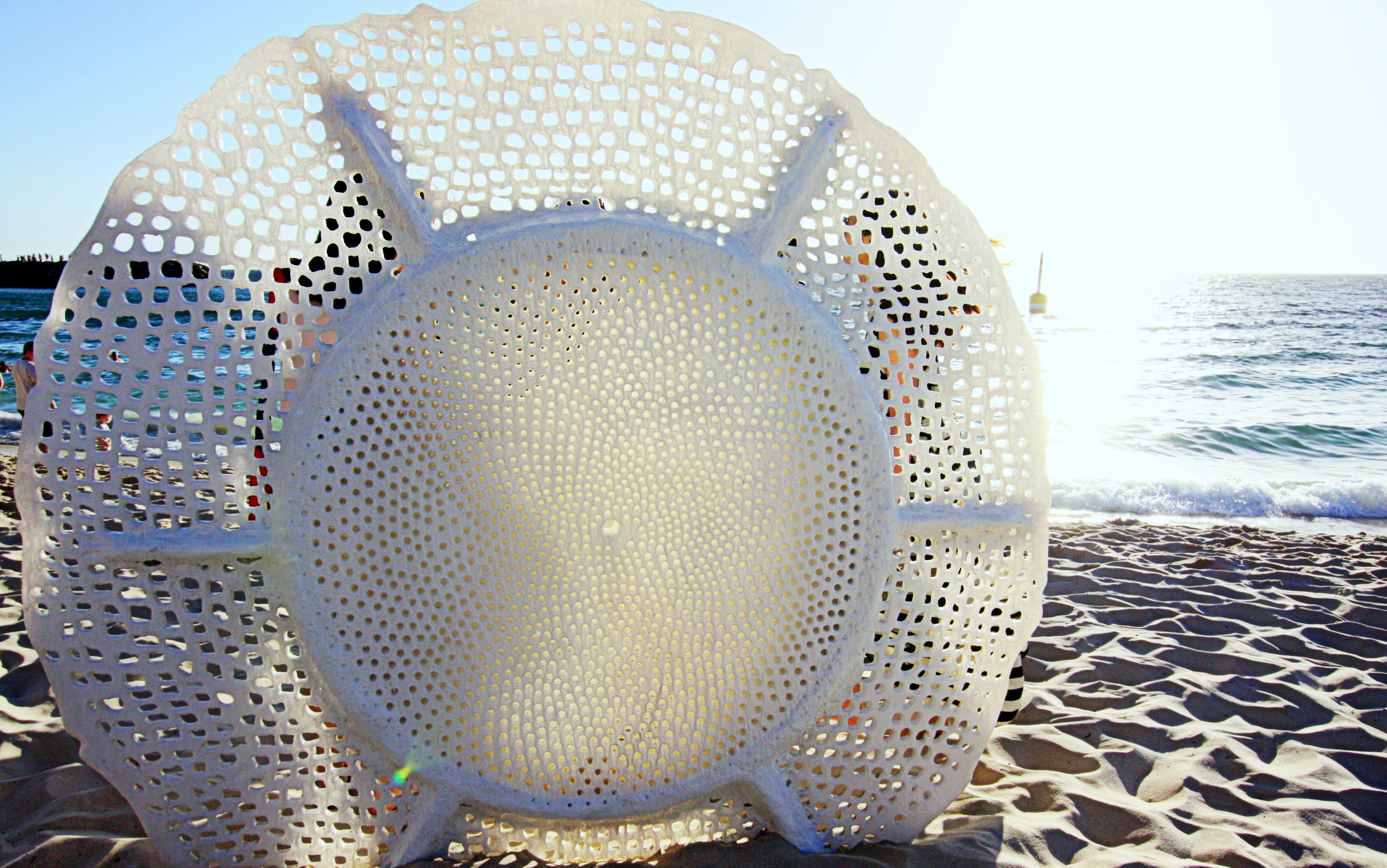
Sculpture by the Sea, Cottesloe, by @debsnet

If people knew how hard I had to work to gain my mastery, it would not seem so wonderful at all. ~ Michelangelo Buonarroti

Today is International Women’s Day and as a woman trying to balance parenting, working, PhD and being a person, I have recently felt overwhelmed. I don’t believe in men or women ‘having it all’ but I do want us all to have the freedom and power to make our own choices. Sometimes, though, the choices we make can feel like difficult paths to walk, especially when something surprising tips us off balance and throws our delicate ecosystem of relationships, roles and responsibilities out of its precarious equilibrium.

On top of the usual teaching, parenting and life stuff, my work at school is currently focused on school-wide implementation of a strategic project focused around teacher growth. My PhD is centred around pulling 300 references, reams of data and over 200 pages of words into a coherent thesis, in time to meet my own personal deadline for submission (of course, this deadline is four months ahead of the official deadline required by the university.) Along the way, I am trying to keep the magic, spark and creativity in my thesis. It is a bit weird, a bit whacky, and a lot me. Part of me is thrilled that I have been able to craft a research project and document which so authentically aligns with my own (lovably weird) identity, and part of me is anxious about the work still ahead. I need to ensure it resonates with what I value in research while also being acceptable (even significant?) in the world of academia.

So, much of what I am presently in the midst of working on requires daily commitment, laser-like focus and hard grafting work. Perhaps this, combined with piles of marking and lesson preparation, has contributed to me feeling drawn to the creative and the crazy. I have been seeking out connections with things which capture my imagination and buoy me with their colour and magic.

As a follow-up, then, to my experience of gigantic marionettes walking the streets and this post on my friends’ amazing interactive sculpture-on-the-beach, here are some more shots from this year’s Sculpture by the Sea exhibition.

Perhaps you will also find solace and escape in the wonder-full, the unexpected and the strangely beautiful. How is a PhD like a sculpture? These sculptures, while capturing imagination, are also the outcome of commitment, dogged determination and hard, systematic work.

Sculpture by the Sea, Cottesloe, by @debsnet Sculpture by the Sea, Cottesloe, by @debsnet Sculpture by the Sea, Cottesloe, by @debsnet Sculpture by the Sea, Cottesloe, by @debsnet Sculpture by the Sea, Cottesloe, by @debsnet Sculpture by the Sea, Cottesloe, by @debsnet

Dream Big, Do Big: an example of inspiration, imagination & perspiration

Creativity represents a miraculous coming together of the uninhibited energy of the child with its apparent opposite and enemy, the sense of order imposed on the disciplined adult intelligence. ~Norman Podhoretz

artists Nicole Bailey and Trisha Lee enjoy their interactive sculpture

artists Nicole Bailey and Trisha Lee enjoy their interactive installation

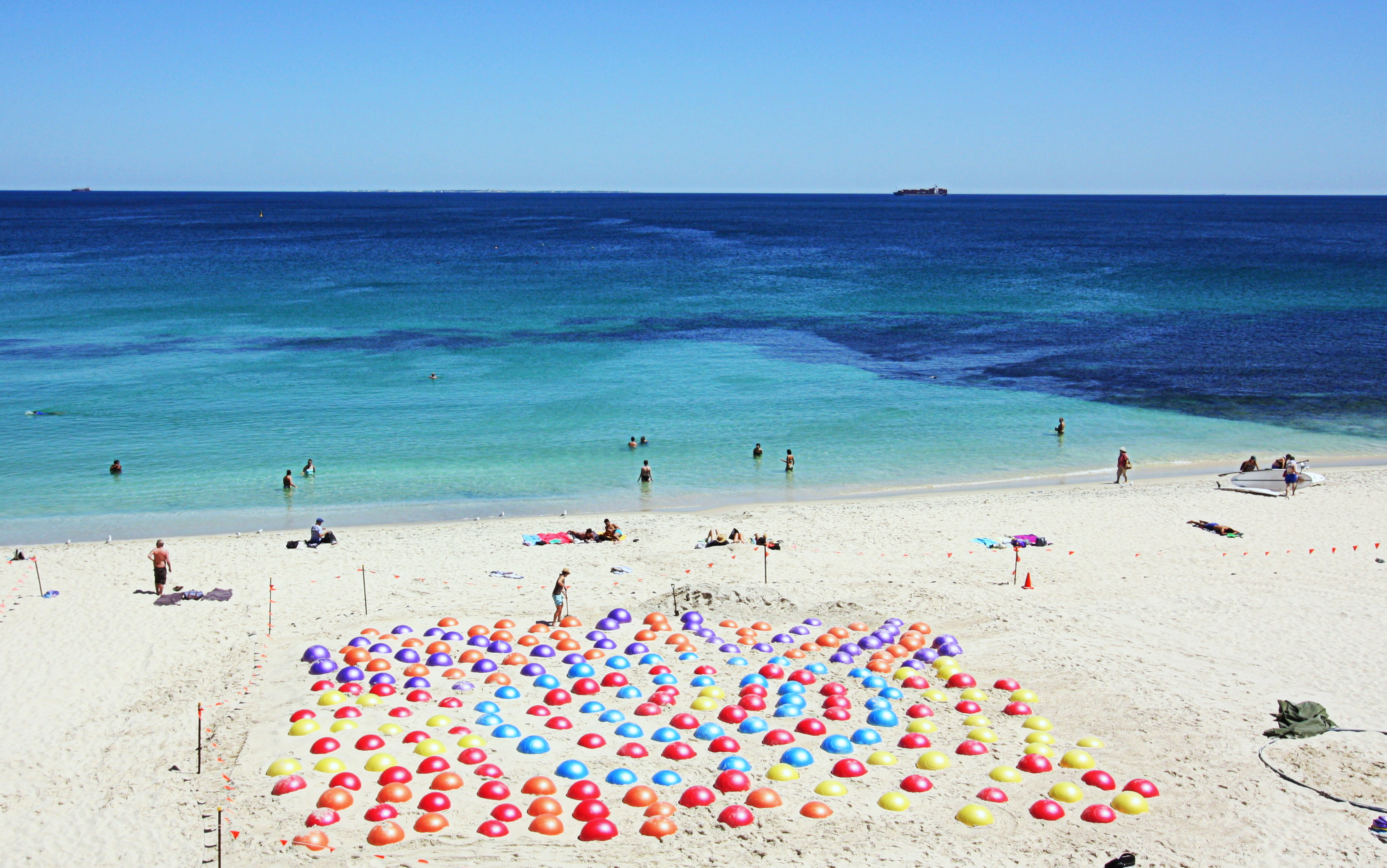
This week I have watched some friends bring a crazy-wonderful dream to life. I am so excited about it because their project was the perfect storm of imagination and perspiration, creativity and scientific thinking, dream and action, madness and wonder. For this year’s Sculpture by the Sea exhibition at Cottesloe beach, they have brought together Aboriginal art, sand, sea and colourful PVC fit balls to create an artwork. As it says on the Water Dreaming webpage, “Water Dreaming is an Aboriginal dot painting installation in which the dots are represented by 250 inflated PVC balls embedded in beach sand. From terraces overhead the viewer will see a Dreamtime dot painting. Up close it’s an interactive play space where art and fun collide and visitors can bounce on and around the dots.”

It had long since come to my attention that people of accomplishment rarely sat back and let things happen to them. They went out and happened to things. ~ Leonardo da Vinci

filling balls with sea water and air; work in progress

filling balls with sea water and air; work in progress

The artists Trisha Lee and Nicole Bailey collaborated with Indigenous artist Shorty Jangala Robertson, of the Warlukurlangu Artists Aboriginal Corporation, to design the concept of bringing a Dreamtime story to life on the beach. The beach is an apt location for a depiction of an artwork from a tribe whose artists traditionally make art on sand and appreciate its transience and changeability. As an interactive artwork, it may well change during the exhibition, which runs from the 6th to the 23rd of March.

balls at sunrise, ready for installation

balls at sunrise, ready for installation

Not only do art and fun collide in this installation, but so do art and community. The installation is crowd funded, crowd created and will be crowd enjoyed. People will be told the artist’s Indigenous Dreamtime story and be able to play between, around and on the bouncy balls (which are filled with sea water and air).

To create this interactive sculpture, one lone water pump pumped 17,500 litres of water from the sea, across a sandy beach, up a hill to water tanks and all the way back down, to fill 246 big colourful fit balls. A digger dug a trench perimeter and helped to shift 30 cubic metres of sand, covering 290 square metres. Over two days, an army of one hundred volunteers filled and laid 250 sandbags and filled, rolled, hauled and placed balls. You can see it being installed in these time lapse videos of Day 1 and Day 2 of installation.

Sometimes I’ve believed as many as six impossible things before breakfast. ~Lewis Carroll

installation involved a digger and 100 volunteers

installation involved a digger and 100 volunteers

This was an example of risk taking in full flight and dreams come to life. What sort of inspiration and perspiration does it take to create a painting on a huge scale amid moving sand and with balls able to be bounced on and interacted with? What sort of people, what kind of force, can make that happen through the power of people, nature, art and technology? This project required not only blue-sky imagination, but also systematic experimentation, trial and planning in order to make it work.

The finished work - a dot painting on the beach, against the backdrop of the Indian Ocean

the finished work – a dot painting on the beach, against the backdrop of the Indian Ocean

This artwork stands as an inspiration to me as an individual, parent and educator. Shouldn’t we all aspire to making improbable dreams possible, to bringing vision to life, to dare to do something others might think crazy? Here’s to being creative, wildly imaginative, joyful and experimental, but also systematic, pragmatic, scientific and dogged enough to make moonshot ideas tangible reality.

Think left and think right and think low and think high. Oh, the thinks you can think up if only you try! ~Dr. Seuss

weeks of interactive bouncy fun!

weeks of interactive bouncy fun!

Moved by Giants: a moment of wonder

Giant marionettes captivate a city

There is a sacredness in tears. They are not the mark of weakness, but of power. They speak more eloquently than ten thousand tongues. They are messengers of overwhelming grief…and unspeakable love. ~ Washington Irving

In education we often talk about innovation. How do we innovate as educators? How do we help students to be creators of boxless thinking and imaginative action? How do we preserve our childlike delight in the world?

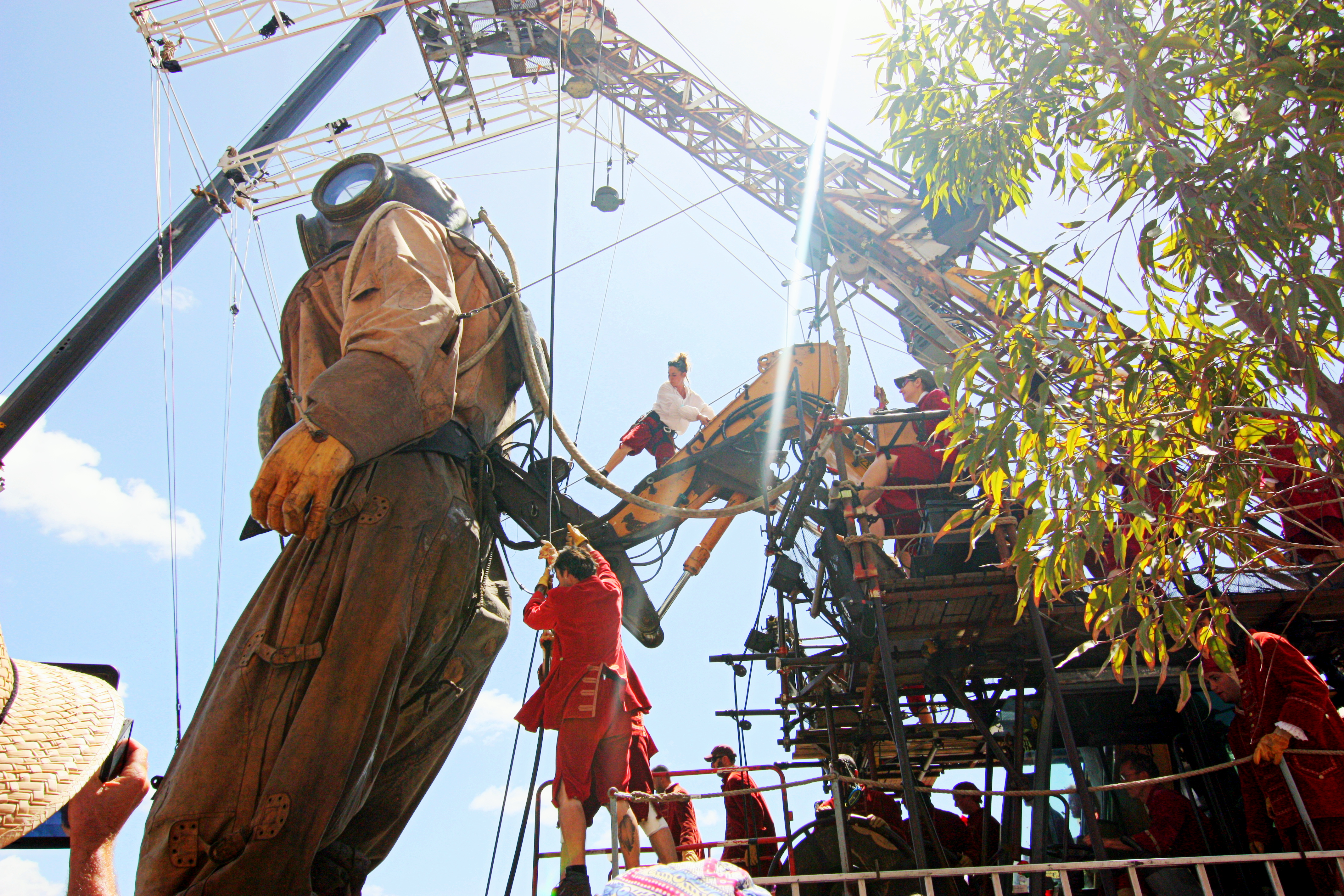
This weekend French artist, director and dreamer Jean-Luc Courcoult, and his group Royal de Luxe, brought their Giants to Australia for the first time, as part of the 2015 Perth International Arts Festival. These giant marionettes acted out a story over two and a half days through the city streets. They were innovation incarnate, creativity in action, dreams come to life.

The city was captivated, with 1.4 million people – half the population – converging in the city centre to be a part of this experiential phenomenon.

My experience of the Giants was one which allowed me to be intensely in the moment, fully and bone-tinglingly present (beautifully aligned with one of my 3 words for 2015: ‘presence’).

My pictures only capture one moment of many, and one marionette of two. You can read and see some coverage here, read the official Festival material and see the Giants’ adventures in other cities. I was grateful for the social media assault which allowed me to follow the journeys of both Giants throughout their time in Perth.

The Giant Diver awakens

The Giant Diver awakens

The Diver is lifted up before he begins his walk through the city streets

These images don’t do justice to being there amidst what was an awe-inspiring and magical spectacle. The sonar beeps, didgeridoo and haunting music playing from the band float. The gasps and emotional astonishment of the crowd. The beyond-amazed believing-in-magic faces of children and adults.

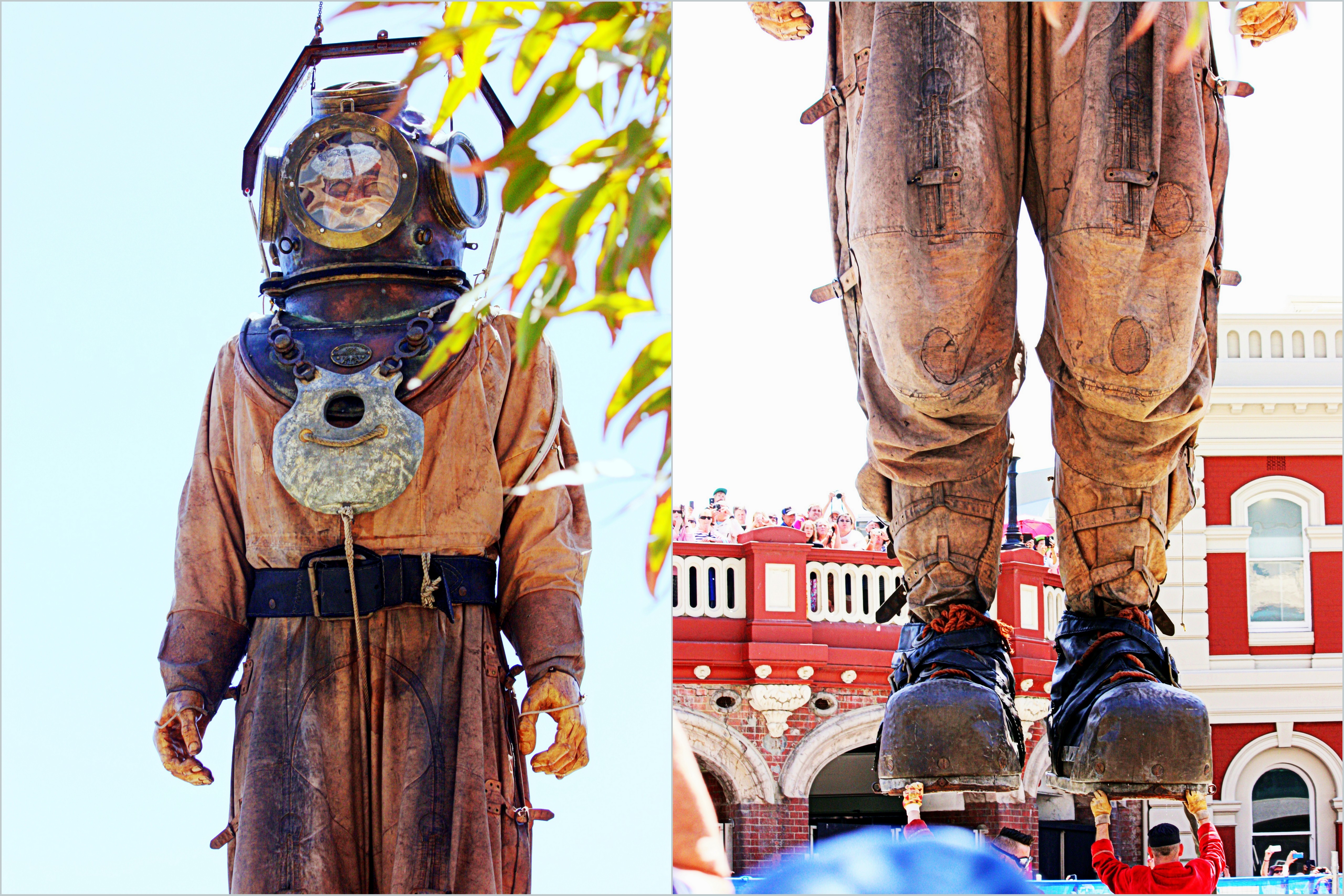
As I watched the 11m diver awaken from the footpath outside the train station, rise into the sky and then start walking in front of me, I was moved. There was something about the music, the scale, the movement, the crowds and community atmosphere which left me shaking and in tears, even as I held my son to my hip so that he could see.

That evening, when I asked my four year old what his favourite part of the day was, he turned to me with a look of absolute joy and wonderment and said in a loud whisper, “The giant looked at me!’

It is a rare and special thing to be unexpectedly and powerfully moved. To experience innovation, risk taking and a crazy idea taken to its limits. To be part of a meta narrative and a community tidal wave. I highly recommend it.

boots made for walking

boots made for walking

Build it and they will come: Creating spaces for learning and working

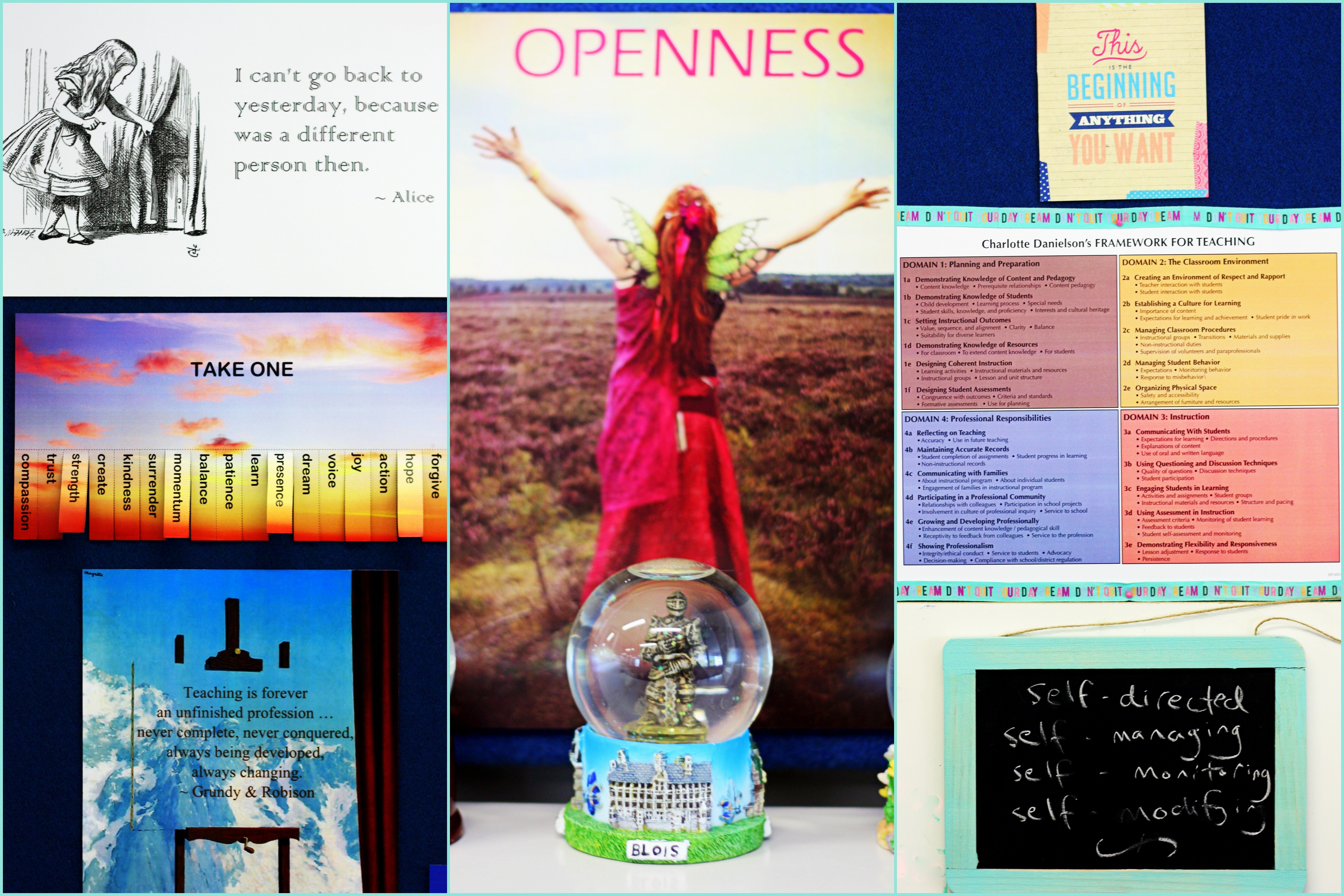
pin-up board montage

pin-up board montage

I had come to a place where I was meant to be. I don’t mean anything so prosaic as a sense of coming home. This was different, very different. It was like arriving at a place much safer than home. ~ Pat Conroy, The Lords of Discipline

At the start of this school year, I have been obsessed. Obsessed with learning and working environments. Over the summer I wrote about my own learning and writing places. Since school has started here in Australia I have been focusing on the spaces in which I work and teach: my classrooms and a new office space for my team of coaches (these are the teachers who will be coaching teachers in our school-based teacher growth model).

My thinking about working and learning spaces is based on a few personal principles:

  • Comfort. This is physical comfort (Is it comfy? Can each individual make themselves comfortable?) and emotional comfort (Does each person feel like they belong? Is the space welcoming and emotionally cosy?).
  • Flexibility. I am a great lover of flexible spaces. What I have found – in classrooms, working with colleagues, writing in cafes for my PhD thesis and watching my own children and husband interact with environments – is that we all have preferred ways of being in a space. When we are working at home, my husband stands at a tall bench while I recline on a couch. Given movable pieces like beanbags and floor cushions, children and young adults will take charge of a space and make it their own, changing groupings or even purposes of furniture. Each will find a nook in which, or stool on which, they feel they belong.
  • Appeal. While we don’t necessarily want our classrooms, offices or homes to look like something out of a Scandinavian design magazine, for me it is important to pay attention to bringing visual appeal to a space. This might be about colour, space, playfulness, details, natural materials or tactility.
  • Ownership. How can the space belong to the people who use it? This might include student-driven spaces and displays in classrooms, family-focused rooms at home, or offices which bear the mark of those who work there.
  • Purpose. The work of Prakash Nair and Randall Fielding (including their excellent publications) explains spaces in terms of purpose: campfire spaces for learning from someone else, watering hole spaces to learn collaboratively with others and quiet cave-like spaces for nestling into learning from and with yourself.

What follows are some examples of these principles in action. Get ready for a picture-fest.

Home spaces

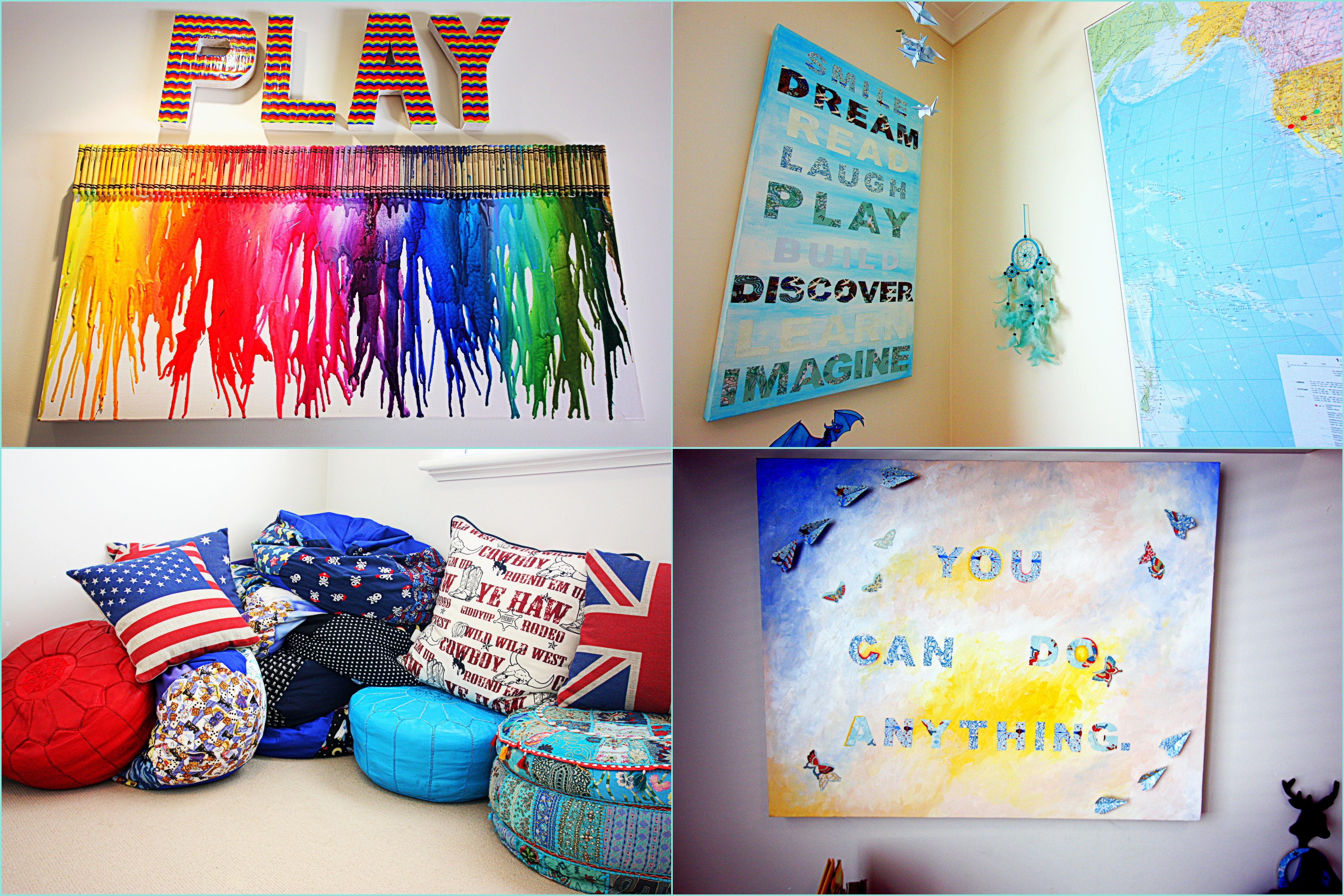
My space principles apply in my home, too. We have piles of beanbags, cushions and ottomans which get moved around the house depending on the space required or game at hand. I have DIYed artwork for the walls of my children’s play and sleeping places. (There is something about DIY that really appeals to me. Maybe it is the catharsis of creativity but I always feel that, if I make something, I instil that something with a piece of myself, my energy and my investment in the person or people for whom I am making it. This goes for my kids’ birthday cakes, the things I have made for their rooms, the artwork I create for friends and family, and the learning and office spaces I have had a hand in designing for students and colleagues.)
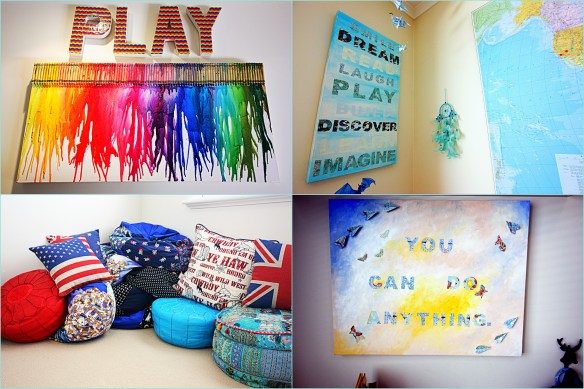
DIY artwork & soft furnishings

DIY artwork & soft furnishings in the ‘kids spaces’ in my home

Open learning spaces

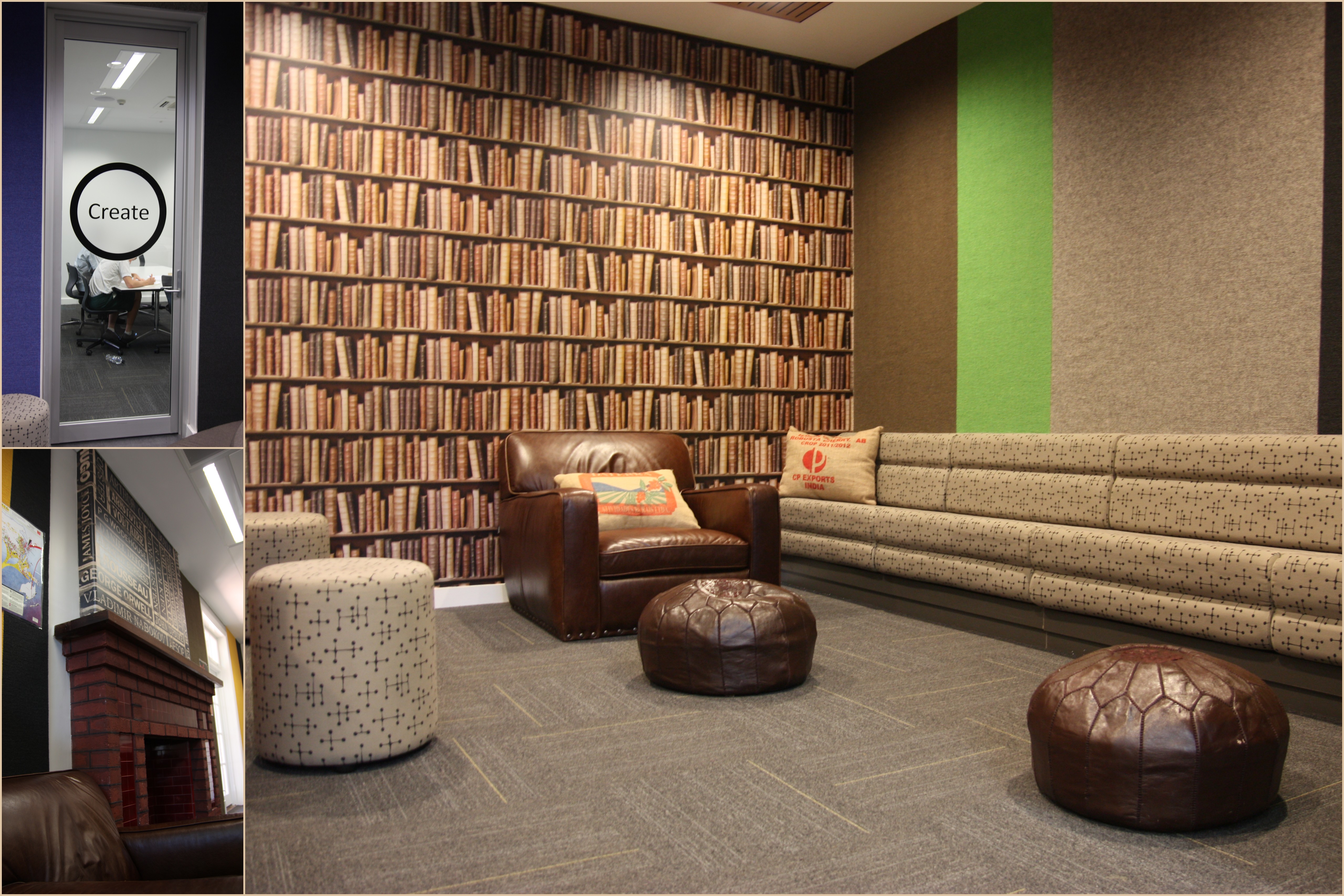
When I was Head of Faculty at my school, I had the opportunity to work with a team to design and furbish renovated classrooms. These two immersive spaces are my favourites.
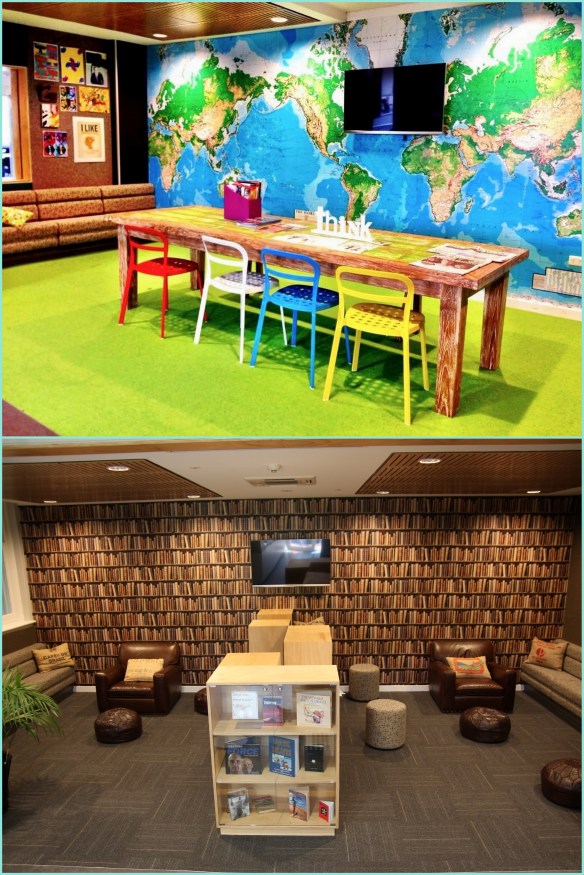
How would you feel learning here?

How would you feel learning here?

Classrooms

Early learning teachers seem to be great at creating environments for their students. In my (limited) experience, this is especially true of Reggio and IB inquiry classrooms. High school classrooms and school offices, however, tend (and I am generalising) to default to ‘seated at grey desks and chairs’ as the main way to learn and work.

This year in our high school English classrooms, we have removed teacher desks (that bastion of symbolic power) which means that teachers need to be flexible about where and how they work. It also encourages teachers to get in amongst their students rather than sitting apart from them or getting students to come to them.

Additionally, we have added more multi-level seating options. Rugs, beanbags, cushions, ottomans and tall benches not only add a homely comfy feel to a classroom environment, they importantly allow for flexibility of space and choice of how individuals work.

Extra whiteboards or walls painted with Idea Paint give the room multiple points of teaching and learning focus (as recommended by learning spaces and places guru, Professor Stephen Heppell).

I spent last Sunday afternoon at IKEA buying high pile rugs, partly for this sense of homey comfort, and partly to add some tactile awesomeness to the shoeless learning / barefoot teaching we are going to try. I haven’t scheduled any official ‘shoeless learning’ time yet, but since mentioning it to my classes, a number of my students have asked at the start of each class if they can work with their shoes off.

comfy classroom spaces

comfy classroom spaces

The best thing about doing this to a classroom is watching the students. They walk in. They look around slowly and with a mixture of confusion and delight. Most sit at their normal desks. Some hover around the new comfy corner. Someone asks, “Is this for us?” “Are we allowed to sit here?” And the next thing you know, they are making it their own and nestling in. They sit on the floor around low tables. They use cushions as tabletops and footstools as chairs. They lie on rugs. They stand around tall benches. They sink into couches. They feel valued and engaged. They find it easier to find their flow.

Offices

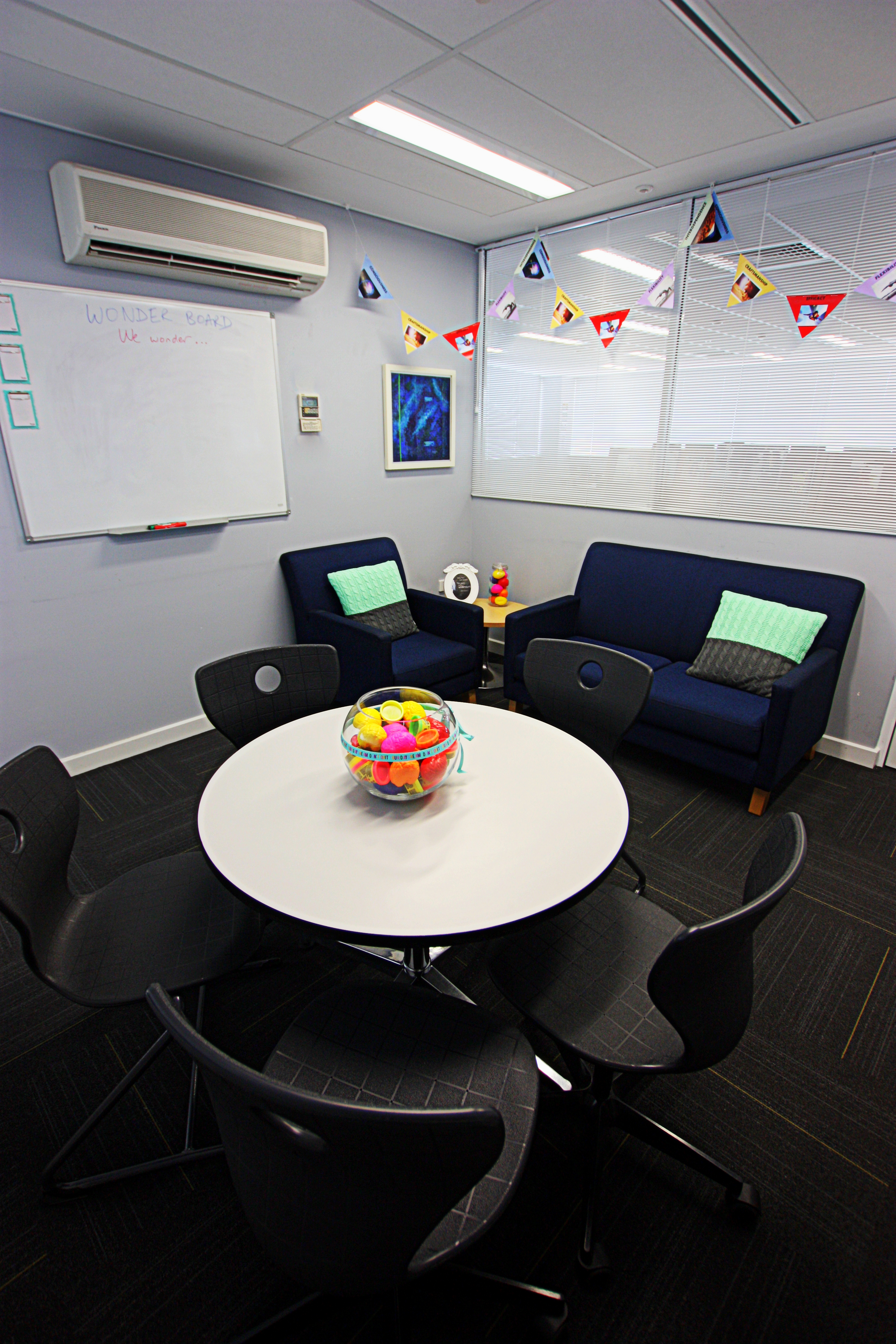
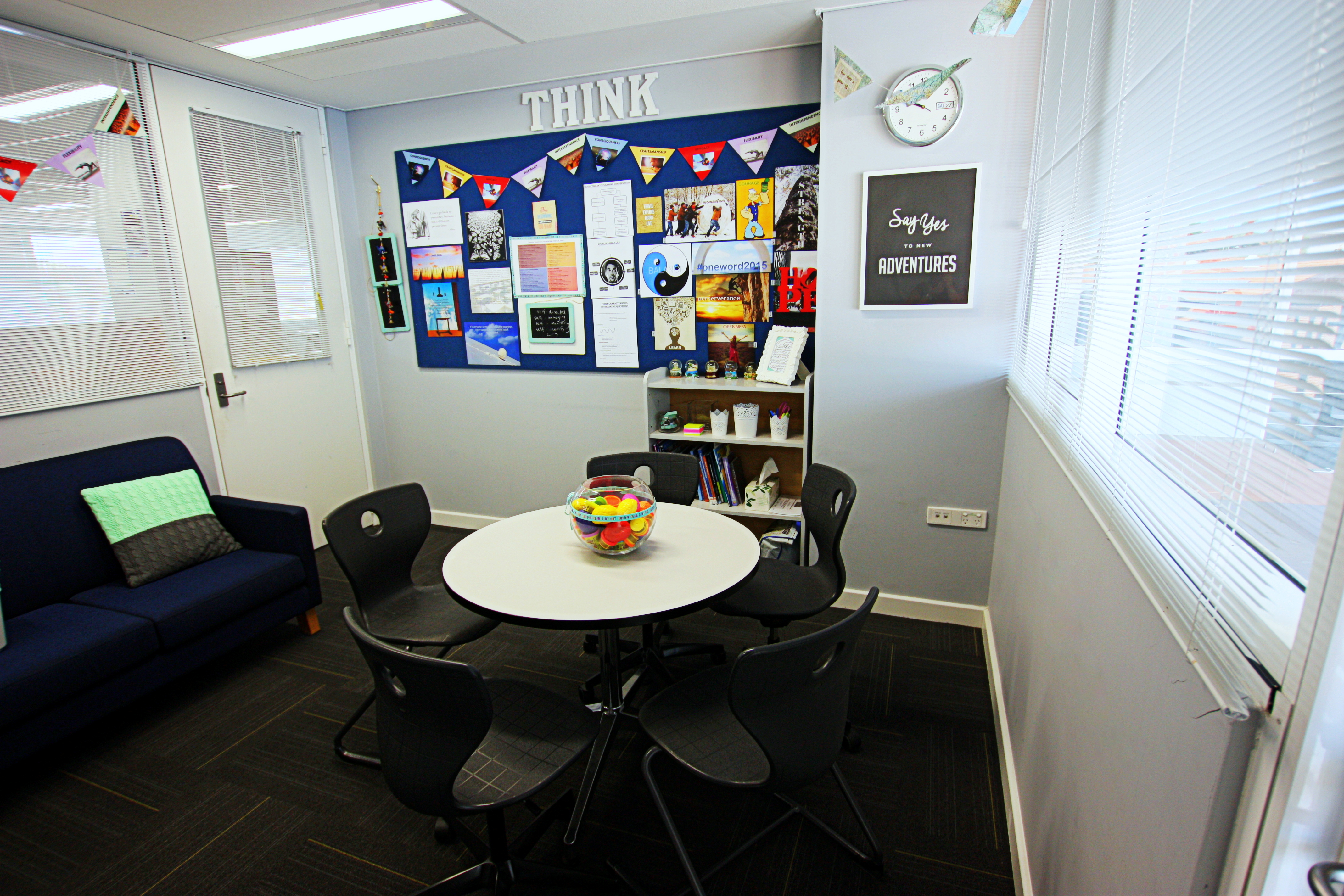
I was delighted to hear that my team of teacher coaches would have a war room in which to meet, explore ideas and have coaching conversations. When I inherited the space it had two big tables, a desktop computer and two chairs. I had those removed and got to work reimagining the space for our purpose.

My dream for this space was of collaboration, conversation, co-learning and reflection, so from around the school and storeroom, I found a round table and some chairs, a couch, an armchair, a small bookshelf, a whiteboard and a little table. In they went. I also have two beanbags on order.
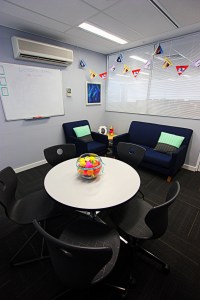
teacher office by @debsnet

be deliberate about office furniture

Then it was time to work on emotional comfort and visual appeal.
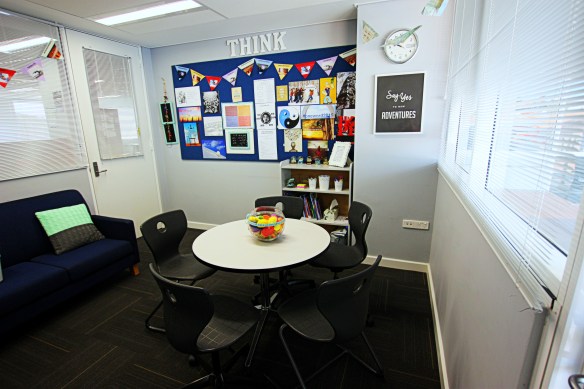
consider floor, wall, tabletop and ceiling spaces

consider floor, wall, tabletop and ceiling spaces

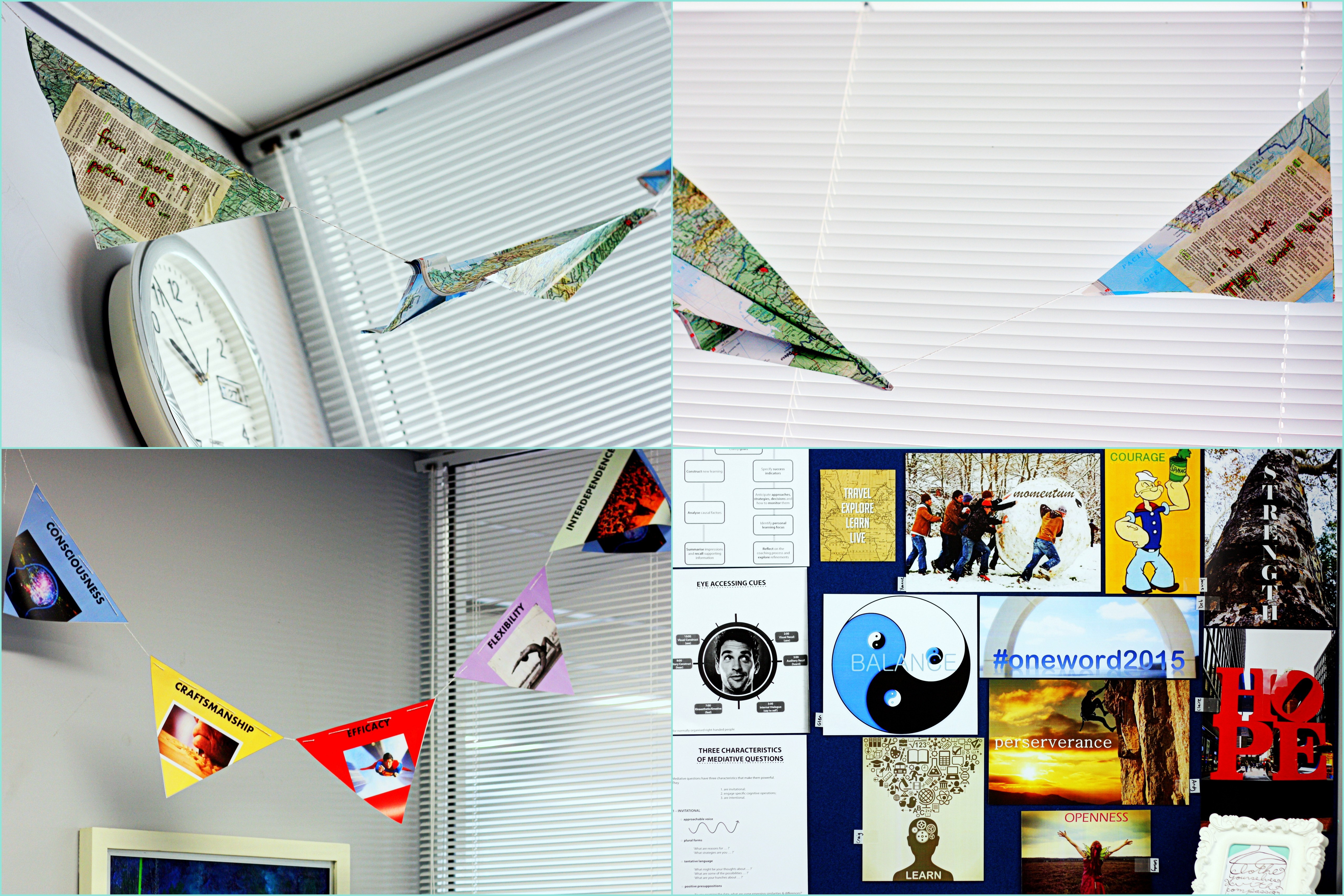
I DIYed some bespoke decorations like the ‘5 States of Mind’ bunting (a concept from Cognitive Coaching) and hanging paper planes. I added and repurposed some bits and pieces from my own house (including some snow domes and the blue painting which is one I painted years ago and has been gathering dust in my garage). A few touches from IKEA and Typo made the office look less officey.

I chose to frame posters rather than laminate them so the feel was more home and less classroom.

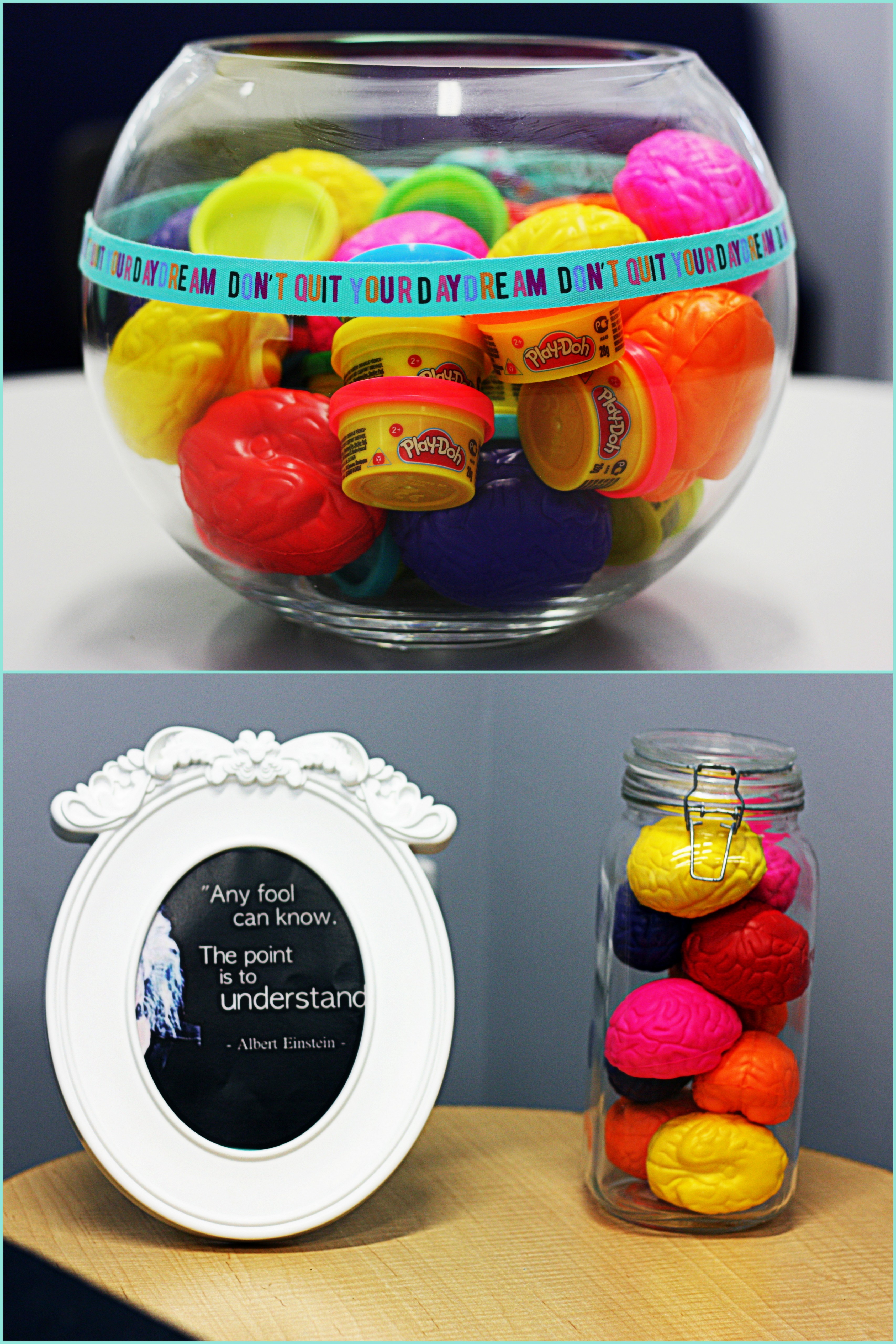
Initially, I wanted a plant for the table, but I knew it wouldn’t survive holidays unwatered, so I opted for a bowl full of Play-Doh and squeezy brains: tactile playthings for kinaesthetic thinkers.

details from my team office

details from my team office

Importantly, the quotes in frames and the ‘one words’ on the pin-up board are directly from members of the team. It is their goals, visions and inspirations which have come together in this space. I can feel the collaborative energy there. I hope they can, too.

TeacherCoachOffice5

What are your own principles for designing learning or working environments? Where are your favourite places to learn or work?
Find your space. Choose your place.

It’s important to create spaces that people like to be in, that are humanistic. ~ Frank Gehry

Once a colleague and I spent one working week taking a ‘holiday’ in our own workplace. Looking at our everyday space with fresh eyes, each day we found a place we could envisage as a vacation destination, and took a photo of ourselves there. At the end of the week we printed a collage of the photos on A4 postcards, signed off ‘wish you were here’ and gave them to our colleagues. We were looking for ways to experience the expected in unexpected ways, to find magic in our own backyard, to discover new ways of seeing our daily environment.

I was asked today at a barbeque how I ‘find the time’ for all the things I am doing: parenting, teaching, implementing a strategic school initiative, blogging, PhD thesis writing and all the life-and-relationships stuff. Partly, I think, doing-all-the-things works because I have found ways to feel like each of these bits is a little holiday from the other bits. And part of that is around choosing to be in places which make me feel grounded, inspired or joyful.

beach spaces - for grounding & play through learning

beach spaces – for grounding & play through learning

My favourite place to go with my two pre-school age kids is somewhere in nature. In winter that means muddy puddly bushwalky places, and now, in summer, it means the beach. Do I love parenting at the beach because it’s enjoyable, free, feels good and keeps the kids busy? Yes. But also because hippie ideas like ‘grounding’ resonate with me, as do educational theories of nature play, play-based learning and maker education (where creating and tinkering are central to learning and problem solving).

Watching my children experiment with sand and water is joyful for me. I see them building while figuring out the impacts of the environment and of themselves. They work together to develop systems for creation (and destruction). They discover critters and examine shells for their beauty and individuality. They clamber, climb and explore, being careful and daring, inquisitive, and sensitive. At the beach my children learn through play while being active and getting the vitamin D, fresh air, ocean salts, and the exhilaration and balance which comes from curling your toes in the sand, digging with your bare hands and feeling the silky ocean against your skin.

The beach provides a space for immersive learning and intentional be-ing, fitting perfectly with one of my 3 words for 2015: presence.

learning spaces at my school

learning spaces at my school

So how might all this beach frolicking relate to work or academic writing? It comes down to designing and finding spaces which work for individual and purpose. Schools are being inspired by incredible offices like those of Google’s Engineering Hub, Zurich; LEGO in Denmark; Skype, Palo Alto; Innocent ‘Fruit Towers, London; Capital One, Virginia; Saatchi & Saatchi, Bangkok; and Palotta Teamworks, Los Angeles. In contemporary work and school spaces, some of which I have had the pleasure of co-designing and furbishing, there are choices for individuals and flexible furniture arrangements (much of this based on the work of Prakash Nair and Randall Fielding). High benches for those who like to perch, low couches and beanbags for those who like to lounge, collaborative campfire spaces for working together, quiet nooks and cave-like spaces for nestling into lone thinking (Bianca Hewes explains this nicely from a teacher perspective; ‘match the physical space to the mental space’). The SCIL building at Northern Beaches Christian College in Sydney and the Green School in Bali are worth a look for interesting school spaces.

Personally, when I want to do my work or academic writing, I try to find my own inspiring, grounding or playful space.

I talked on the PhD Talk blog about my thesis as sacred ‘me time’, and one of the things I do to make it so is to write in places which feel like an indulgence. I have favourite cafés with the right amount of people-buzz, good tunes, quirky touches and sometimes a view. These make me feel like I’m sitting down to a treat in which to luxuriate, instead of an arduous slog which must be endured. I order a good coffee, find a comfy spot and start to work. Today was on a daybed in this outdoor courtyard with mellow lounge music, waterfalls, buddhas and frangipani trees:

today's academic writing space

today’s academic writing space

Other favourite writing café spots are pictured here (I do love a good coffee and a good view):

working spaces collage

working spaces collage

One of my favourite spots is a cushioned bench seat in a café housed in an old hardware store. Above the seat is painted: ‘Not the sharpest tool in the shed.’ Perfectly ironic for PhD writing, don’t you think?

So – where do you find the space for your intention? Where are your sacred, inspiring or playful places? How do you choose your physical place to transform your mental space?

'Not the sharpest tool in the shed.'

‘Not the sharpest tool in the shed.’


Presence, Sharing, Strength: 3 words for 2015

presence * sharing * strength ~ words for 2015 against the backdrop of my New Year's Day

presence * sharing * strength ~ my words for 2015 against the backdrop of my New Year’s Day

Hope smiles from the threshold of the year to come, whispering, ‘It will be happier.’ ~ Alfred Tennyson 

We have passed across the threshold of the year to come. The new year is upon us.

While I tend to reflect constantly and set small, achievable goals, it’s been a while since I have set a New Year’s resolution (and I don’t intend to start here; what follows is an alternative approach to finding focus at the inception of another trip around the sun). While I love a good list, and an inspiring goal, I also love a good vision. Like organisations, individuals function optimally when we align our words and actions with a clear, coherent sense of identity and vision. Chris Brogan advocates for a simple personal visioning exercise to develop our own personal vision for the year ahead: ‘3 words’. Interestingly, some people (like educator Kirsten Wilson here) use this approach intuitively.

This is my first year of utilising the 3 words approach, and here they are:

Presence

This is a year of being present for me; of hereness, mindfulness and breathing into each moment. Presence, as I wrote about here, is an ongoing daily focus for me. My life, like most lives, is filled with competing, overlapping commitments, including my family, teaching, leadership role, PhD research, wellbeing and relationships. I have written about how I approach doing a PhD and my thinking around finding work-family commitment. My intention is to commit to being absolutely present in each of these spaces. If I can minimise distractions and focus fully on experiencing the person or task at hand, I can be immersed, productive and joyful. I can nurture relationships and be effective in my work and writing. I don’t want to see 2015 as a mad juggle of life’s components, but as a kind of ecosystem of interconnected wonderfulness in which all elements can be honoured and enjoyed. In amongst the doing needs to be the being.

Sharing

Sharing is reciprocal and collaborative. I read what others share. I share my thoughts on social media and on this blog. I share the stories of others in my PhD (which uses narrative research to examine transformative adult learning and school change). This word could have been ‘connecting’, ‘storytelling’, ‘expression’, ‘conversation’, ‘communication’, ‘collaboration’ or ‘tribe’ but none of those capture quite what I mean by ‘sharing’. In 2015 I am sharing – hopes, dreams, stories, pedagogy, beliefs, leadership approaches, writing strategies – with my friends, family, PhD, supervisors, PLN, Twitterverse, blogosphere and hopefully even some thesis examiners (although that might not be until 2016). As I discussed in my post about writing dangerously, I will be writing various texts in various styles to be shared with various audiences. Sharing our own thinking makes connections, starts conversations and builds collaboration. Sharing is viral, organic and transformational.

Strength

In 2015 I want to be strong in body, convicted in belief, confident in voice and resilient in character. A strength regime therefore involves physical bodily exercise including strength training, development of writerly voice (especially important in the final stages of my PhD), honouring my deeply held beliefs, and confidence in sharing my thinking in blogs, at conferences and in academic articles. Strength in myself and my identity means being able to stand up for my ideas, believe in my approach and be accepting of my own idiosyncracies, my own creative ways of thinking, my own imperfections and my own brand of ‘lovably weird’.

If you are looking for more visioning inspiration, check out the 2015 #3words blog posts of C. C. Chapman, Joyce Sullivan and Sheree Martin. Educators, check out Dave Burgess’s Teach like a PIRATE: Passion, Immersion, Rapport, Ask & analyse, Transformation and Enthusiasm – kind of a vision and a list all rolled into one acronym. ‘Piracy’ would be a pretty good word.

What are your 3 words for 2015? I would love to hear them.

It is a mistake to try to look too far ahead. The chain of destiny can only be grasped one link at a time. ~ Winston Churchill

into the future we go

into the future we go

Presence not presents: connect, unravel & be this Christmas

Joy is not in things; it is in us ~ Richard Wagner

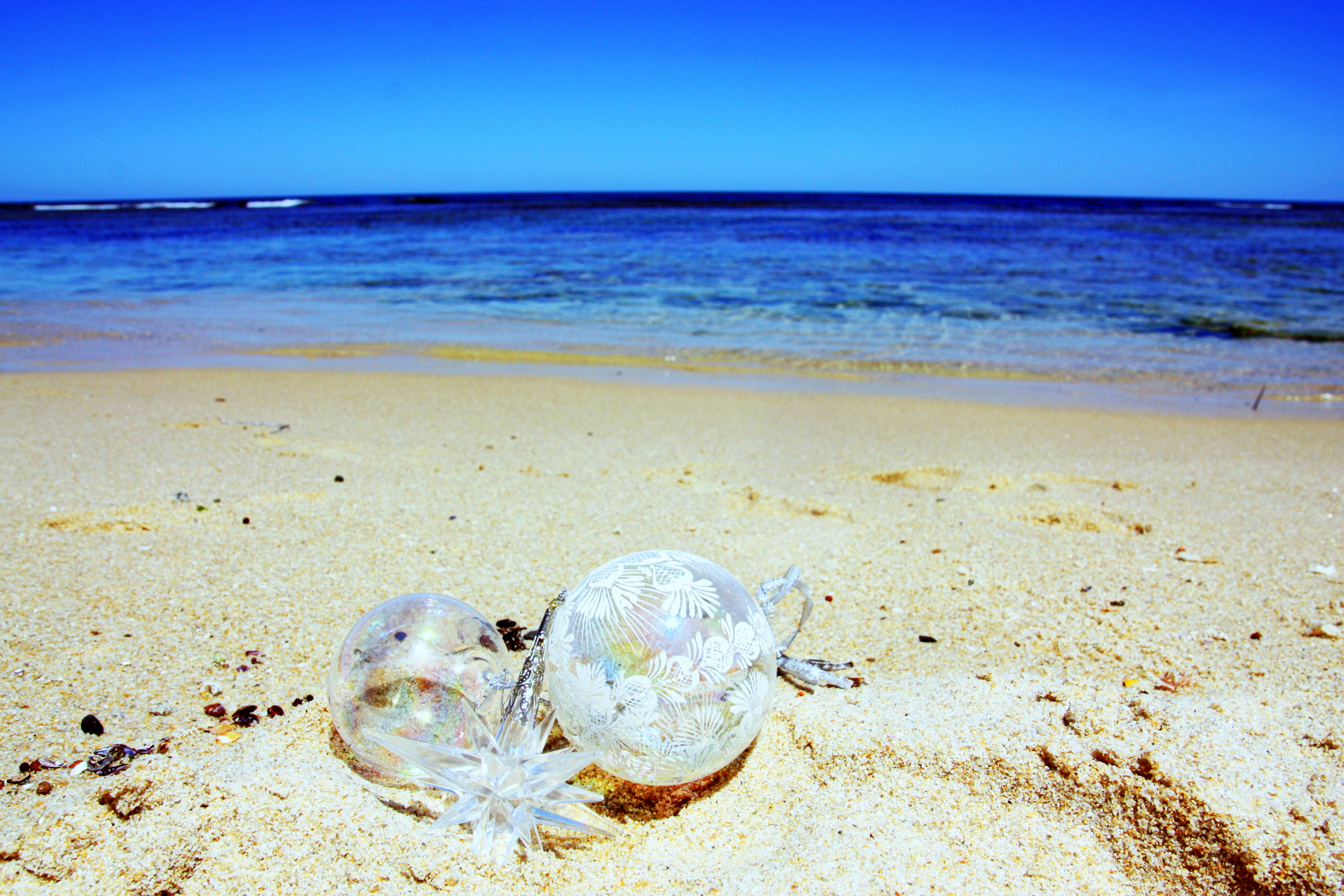
Western Australian Christmas

Western Australian Christmas

With only three sleeps until Christmas many of us are wondering how to wind down, how to enjoy time with our family and friends, and how to continue or create meaningful traditions for this time of year. Perhaps we are trying to avoid a hurricane of over-receiving and over-indulging, trying instead to connect with Christmastime as about giving, faith and connectedness to others and ourselves.

One of my big challenges this year is winding down. In many ways I would like to switch off my work and research selves so that I can be present with family, friends, nature and the present moment. But the hybridity of my roles (teacher, school leader, researcher, connected learner, parent) makes it hard to power down. My leadership work in my school is closely related to my PhD research on teacher growth and school change, so I am constantly immersed in reading, acting and thinking about these things. Being a participant in education Twitter chats this year (like #satchat #sunchat #aussieED, #BFC530 and #whatisschool) has also kept my brain buzzing with ideas sparked by stimulating conversation with inspiring individuals, most of whom I have never met (thank you, my learning network). It appears you can’t turn off a turned on brain!

So to ground myself and connect to this time of year I have been taking time to be present in holiday tasks: playing with my children, swimming at the beach, reading Christmas stories, enjoying music and wrapping presents. Surely I’m not the only one for whom the careful, mindful process of wrapping gifts is meditative and grounding? Anything can be meditative and grounding if we approach it mindfully and with presence.

gingerbread house with dinosaur

gingerbread house with dinosaur

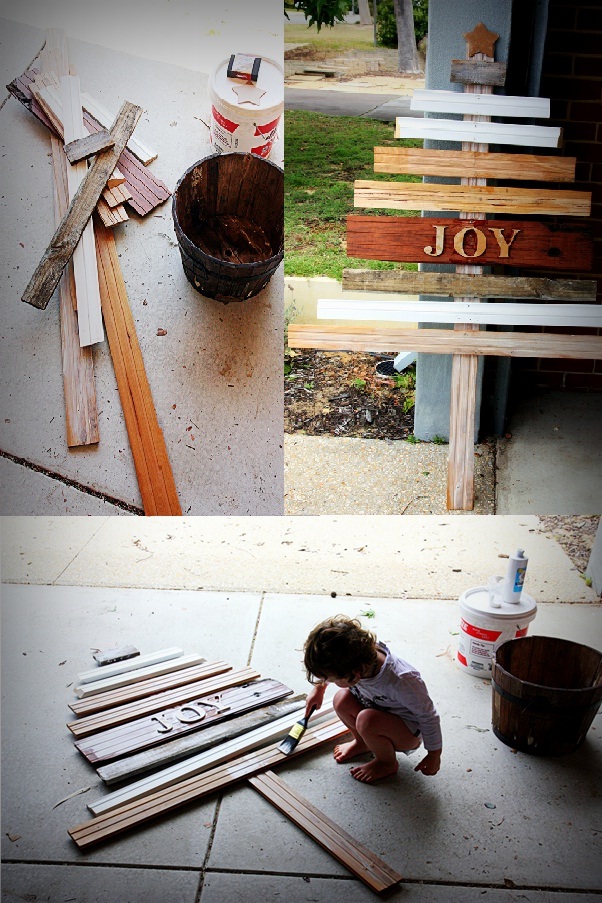
I also find creativity and making to be grounding and connecting acts. Things we make ourselves seem to have a magical energy, an investment of the person or people whose hands forged the object or made the marks. I have been hand-making ornaments, recycling found materials into eco-decorations and picking foliage from the garden for vases. Our Christmas tree is one made by my eldest son and I (he was two years old when we banged it out in our garage) out of upcycled scraps of wood. The physicality of painting, cutting, pasting and glitter-shaking can anchor us to the holiday spirit.

making our Christmas tree

making our Christmas tree

decorating our DIY Christmas tree

decorating our DIY Christmas tree

I was reminded recently that being a flâneuse is about being a ‘human being’ not a ‘human doing‘. Christmas is the perfect time to focus on what is important, in whatever way is meaningful for our family. Coming together should be about celebrating our connections with those we care about – in all their perfect imperfection – and taking the time to really be with them and with ourselves. Happy being.

The power for creating a better future is contained in the present moment: You create a good future by creating a good present. ~ Eckhart Tol

bauble-licious with freshly picked garden foliage

bauble-licious with freshly picked garden foliage