On teacher evaluation & the New York APPR reforms: a view from Down Under

There are no such things as limits to growth, because there are no limits to the human capacity for intelligence, imagination, and wonder. ~ Ronald Reagan

NYC skyline, by @debsnet

As part of the Education Transformation Act of 2015, New York State is reforming its Annual Professional Performance Review (APPR) and Teacher Effectiveness rating system.

Grant Wiggins in his open letter to Governor Cuomo calls the APPR reforms a “step backward” which disempowers teachers.

NY Middle School Principal Lisa Meade voiced her concerns here and put out the call out to New York educators to respond to the proposed teacher evaluation reforms. Educator Christina Luce added to the conversation in her post, asserting that, while she supports an annual professional reflection and review, the proposed reforms are narrow, punitive and make “an already horrendous evaluation system even worse”.

While I am not a New York educator, I felt compelled to offer a perspective from a different system. My visits with schools and educators last October helped me to learn about how teacher evaluation is approached in New York. While some of the challenges faced were global, shared with Australian schools, some were surprising to me. I wrote various posts documenting my reflections in New York including:

  • My visit to a school in Westchester which opened my eyes to the constraints on New York schools in teacher evaluation;
  • My visit to a school on the Upper East side which reminded me about the need for schools to find teacher evaluation and growth processes appropriate to their context;
  • Meeting Ellie Drago-Serverson at Columbia University to discuss the best environments and practices to facilitate adult learning;
  • Meeting with Charlotte Danielson and Cindy Tocci around effective applications of the Framework for Teaching for teacher growth and evaluation; and
  • Meeting with New York City professional development provider Teaching Matters, an organisation which bases its work in a belief about the capacity of teachers to be leaders and for schools to be vibrant places of distributed leadership.

slice of harlem, by @debsnet

The proposed APPR reforms seem to make an already limited system of scoring even narrower, based on data that I imagine does little to reflect a holistic picture of a teacher, their teaching, and their students’ learning. While the use of these kinds of data for measuring teacher effectiveness have been questioned (see for instance this post and this post by Grant Wiggins), I have instead focused on how these reforms sit with my own beliefs about teacher learning.

Costa and Garmston in this paper talk about safety, but not comfort, being a prerequisite for learning, pointing out that the brain works in such a way that if we do not feel safe, we cannot think and learn. They note that sensory signals entering the brain travel first to the thalamus, then to the amygdala or threat detector, and then to the neocortex where thinking happens. “If threat, fear, pain even in the most minute portions are perceived, neurological and chemical processes occur which prepare the system for survival, not reflection.” While learning often happens in a space of what they call ‘disequilibrium’, or what I call the discomfort zone, there needs to be safety and trust for thinking, reflection and growth to occur. The New York teacher effectiveness system does not seem to allow for a safe environment of learning and growth, but rather opens up the potential for fear and a fight-or-flight response.

This notion of safety-but-disequilibrium is supported by Ellie Drago-Severson’s concept of high-support high-challenge ‘holding environments’ as the optimal environments for adult learning. By Dan Pink’s work on motivation which he notes is extinguished by punitive approaches. By David Rock’s work which shows that carrot-and-stick approaches result in resistance. In reflections by Robert Evans that teachers resist externally imposed change. By the Adaptive Schools foundational concepts of trust and of honouring both the individual and the system.

Upper East Side, NYC, by @debsnet

In light of how the brain works and how thinking and motivation are ignited, the New York teacher evaluation system, current and proposed, doesn’t make sense to me. It is a punitive deficit model which assumes that teachers are underperforming, unprofessional and in need of external measures to bring them up to scratch. In a recent paper, Dylan Wiliam points out that “each teacher has a better idea of what will improve the learning of their students, in their classroom, in the context of what they are teaching them, than anyone else.” Teachers should be trusted to be professionals and given the support, and challenge, to grown on their professional journeys.

My school’s teacher growth model is based on a belief in the capacity of teachers. It is based in a belief that everyone is coachable. That is, that teachers want the best for their students and that they are fully capable, with support, of setting goals, analysing data and improving their practice in ways which most benefit their students.

Wiggins is right when he says these reforms disempower teachers. Surely if we want teachers to get better, it isn’t scoring them we should be primarily concerned with, but growing them. Teachers should receive ongoing support to refine their practice and focus on becoming increasingly better at serving their students’ pastoral and learning needs. I absolutely agree with regular performance check-ins and goal setting work, but I also believe in teachers.

My hope for any school system would be that teachers are given opportunities for growth born out of a belief in their capacities and in their important work with our children, rather than public scorecards based on questionable measures.

New York, I’m thinking of you, your teachers, your school leaders and your students.

NYC, by @debsnet

Can and should teachers be (viewed as) researchers?

Sarajevo bullets, by @debsnetWhen we respect teaching as an intellectual activity and give teachers the opportunities to raise serious questions about what they teach, how they teach and the larger goals for which they are striving, they can play a dramatic role in transforming their institutions. ~ Peter Senge, Schools that Learn: A Fifth Discipline Fieldbook for Educators, Parents, and Everyone who Cares about Education

This month – April 2015 – is the month in which Dylan Wiliam argued in the TES magazine that teaching cannot and will not be a research-led profession, in which Tom Bennett responded that evidence-based education is dead (but that evidence-informed education lives), and in which John Hattie was quoted in a TES article as saying that teachers should not try to be researchers and that ‘I don’t have any time for making teachers researchers.’ In response to his own question, ‘Asking teachers to be researchers?’ he replies, ‘They are not.’

In this article Hattie is also quoted as saying that teachers should use the “literacy and sensibility of research to inform their practice” and that the worlds of research (by academics, not teachers) and teaching should “orbit together”. This resonates with Tom Bennett’s assertion that teaching be evidence-informed (but not evidence-based) and with the mandate of researchED which is to raise research literacy in the teaching profession and promote conversations between teaching and academic communities (my post about researchED Sydney 2014 is here).

As someone whose identity straddles ‘teacher’ and novice ‘researcher’ (as a PhD candidate coming towards the end of my PhD journey) I agree that research should inform teaching, leading and educational practice, and that worlds of education and the academy should work in collaboration. I am not sure, however, that we should draw a divisive line with ‘teacher’ on one side and ‘researcher’ on the other.

When I read the TES article which presented quotes from Hattie, a number of questions arose for me. What does Hattie mean when he says that teachers are not (and perhaps cannot be) researchers? What is his definition of ‘researcher’?

Is he discouraging teachers from reading academic literature and collecting data to inform their practice? Is he telling teachers they cannot be (taught to be) systematic thinkers who investigate, trial, collaborate, communicate and utilise scholarly literature and evidence to inform their practice?

Many teachers have been involved in action research projects, or Masters or PhD dissertations. Are these teachers, too, incapable of conducting and applying research thinking and methods? For me this is an issue of identity, of sense of self. Am I a teacher who researches? A researcher who teaches? A teacher and a researcher? Is Hattie suggesting that these identities are unavailable to me?

Is research in a real educational context by a real educator less valid than that of an academic from a university?

Many have responded to this conversation. Kevan Collins, chief executive of the Education Endowment Foundation, warns against encouraging teachers not to pursue evidence, as he articulates in this TES article.

Teacher Chris Parsons explores how the teaching profession might strategically develop its use of evidence to inform practice.

PhD candidate Charlotte Pezaro, writing for the Australian Association of Educational Research, explores ways in which academics and teachers might interact.

Policy analyst Patrick Watson in this post argues that we need to identify research which is worthwhile for informing practice, build the research-literacy of teachers and encourage action research to facilitate reflection and deeper understanding.

The 2012 Grattan Institute report ‘Catching Up: Learning from the best school systems in East Asia’ asserts that high-performing school systems view teachers as researchers, continually developing their knowledge base through practices such as professional reading and action research. My PhD cites examples of literatures which promotes participatory action research as transformative for individual practice and collaborative cultures. All research and all researchers have limitations. I wonder what the impact is of viewing teachers as researchers and of encouraging teachers to think of themselves as researchers. How does it shape teachers’ identities, self-perceptions and practices if they are encouraged to be consumers, curators, engagers and creators of research? Perhaps it is partly a question (to reflect Dweck’s work) of developing a research mindset.

One of Wiliam’s points is that research cannot tell us what could be only what we already know. If we are always basing our practice on what has been done, we aren’t innovating or trialling new possibilities. Teaching and schools should be about more than doing what has been done and what is known; it should be about moving forward and even about innovation and creativity.

Perhaps teachers who see themselves as researchers could call themselves ‘teachers as innovative, research-literate, reflective, evidence-informed, systematically-thinking, data-using-and-interrogating practitioners who drive their own learning and improvement in regards to what benefits their students.’ Or maybe that’s a bit long.

While I understand that the issue of whether teachers can or should be researchers is nuanced, complex and riddled with semantic argument, I (as someone who identifies as teacher and researcher) would like to think we can view teachers as researchers, by my definition, if not by Hattie’s.

Everyone is coachable: we are all capable of change & growth

All who wish to continually improve their craft … never lose the need to be coached. ~ Art Costa & Bob Garmston

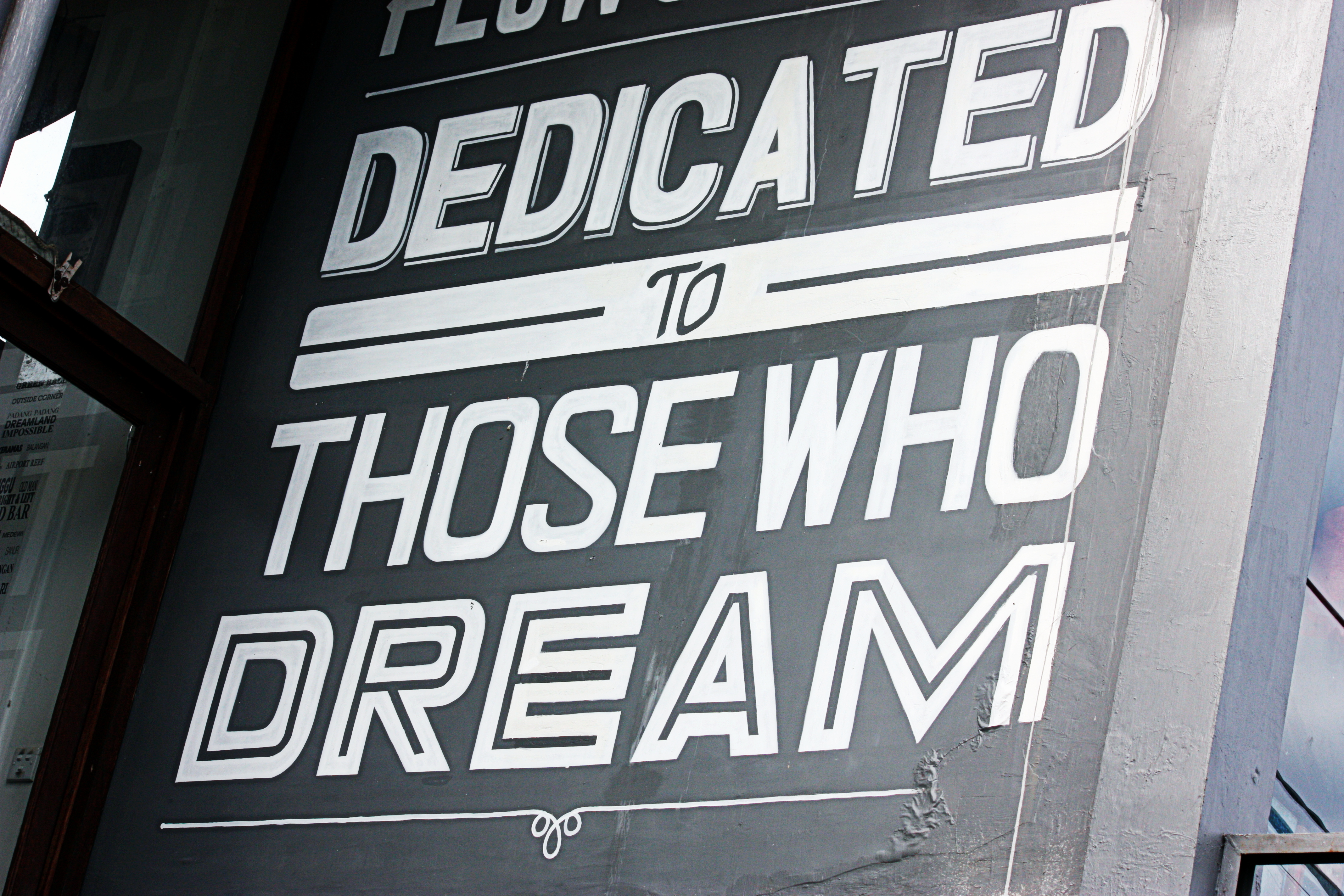
dedicated to those who dream, by @debsnet

I was recently asked a question on Twitter: ‘Are some teachers un-mentorable?’ My response was along the lines of, ‘No-one is unmentorable or uncoachable; a person always has the capacity for growth.’ This belief underpins my ideas about school change and my school’s teacher growth model on which I presented at researchED conference in Sydney and ACEL in Melbourne.

In scholarly literatures, coaching (sometimes used interchangeable with the term ‘mentoring’, such as in the writings of Ellie Drago-Severson, who I talked with last year) seems to be divided into expert coaching and peer coaching.

Expert coaching involves an expert or master who provides guidance to a less-experienced apprentice. This includes Jim Knight’s instructional coaching in which the expert instructional coach provides judgements, feedback and suggestions, based on their expertise.

The other kind of coaching is peer or reciprocal coaching in which someone is paired with those of a similar level of expertise. These peers proceed to coach or mentor each other in a collaborative and non-hierarchical way. This approach, which is intended to develop a collaborative learning culture as well as the individual’s practice, includes models like instructional rounds, in which teachers form small professional learning groups which collectively work to enhance their practice.

Both coaching trends are based on use of data for growth (in a teaching sense, this would be some kind of classroom observation data) but are underpinned by different principles and beliefs. Expert coaching models assume that people learn best when someone with more knowledge and experience provides them with specific, targeted feedback for improvement, while the peer coaching models assumes that it is by working together that we can improve.

One form of coaching which can be conducted by a peer or an expert is Costa and Garmston’s Cognitive Coaching which is based in brain research like this which suggests that we are most likely to grow when we do thinking ourselves, rather than receive thoughts doled out by others. Cognitive Coaching focuses on developing individuals as self-directed learners who consciously reflect upon, conceptualise and apply understandings from one experience to the next. It is a data-based, non-judgemental, developmental and reflective model for conversations for planning, reflecting and problem resolving, as well as a tool for developing professional communities that value interdependence and individual capacity for self-directed learning.

The goal of Cognitive Coaching is the growth of individual and organisation through the development both of autonomy (of the individual) and interdependence (the development of a holonomous organisational culture in which individuals function as both autonomous, independent individuals and interdependent, responsive members of the larger system).

Unlike expert models of coaching which involve specific coach feedback, judgements and suggestions, Cognitive Coaching involves mediated processing. The Cognitive coach does not offer judgements, feedback or advice, but asks ‘artfully vague’ questions or presents impartial observational or other data, followed by silence, in order to encourage the cognitive and reflective processes of the teacher. There is certainly an art to the asking of well-crafted cognition-provoking questions, as I have found in my journey as a coach. This approach is intended to create personal change through new connections in the brain and reconstruct knowledge through a conscious, reflective approach to new experiences.

By avoiding positive and negative value judgements and opinion, by coaching ‘without manipulation,’ Cognitive Coaching aims to transform an individual’s beliefs about learning and refine their cognitive maps by encouraging them to talk and think about their decisions. In this way, talking aloud leads to examination and refinement of choices and behaviours.

The use of a Cognitive Coaching process for teacher learning and development is supported by Charlotte Danielson’s work (you can find my conversation with Charlotte here) in which she notes that mentors, supervisors, evaluators and colleagues should beware of imposing their own styles or preferences when observing. The question is not “Is this how I would do it?” but “Given the context, what is appropriate?” She also advises that classroom observations must be accompanied by conferences before and after observed lessons.

My own experiences as cognitive coach and coachee have shown me the power of this kind of coaching to allow people’s own internal resources to kick in to gear, their own passions and thinking to light up, and their confidence to solve their own problems and forge their own paths to soar. It has shown me the power of really being listened to and being given a safe, trusting place in which to verbally explore situations. It has also shown me that when you own your ‘a-ha’ moments, the learning sticks. Change happens. Practice shifts.

So, returning to the question of the uncoachable or unmentorable teacher, I wonder about the intent of the coaching or mentoring.

Cognitive Coaching aims to ‘convey a valued person from where they are, to where they want to be.’ There are some important assumptions being made here. The person is valued. They are assumed to be motivated and capable of reflection and growth. And they are helped on their learning journey to a destination to which they aspire. This model of coaching is not a deficiency model based on where the manager wishes the person would go or what an expert has identified as an area of growth. It is about the person. And. Where. THEY. Want. To. Go.

Do I believe that absolutely any teacher, any person, can be coached or mentored into professional growth? Absolutely.

We believe that all human beings are capable of change, that we continue to grow cognitively throughout our lifetime and that we all possess a vast reservoir of untapped potential. ~ Art Costa & Bob Garmston

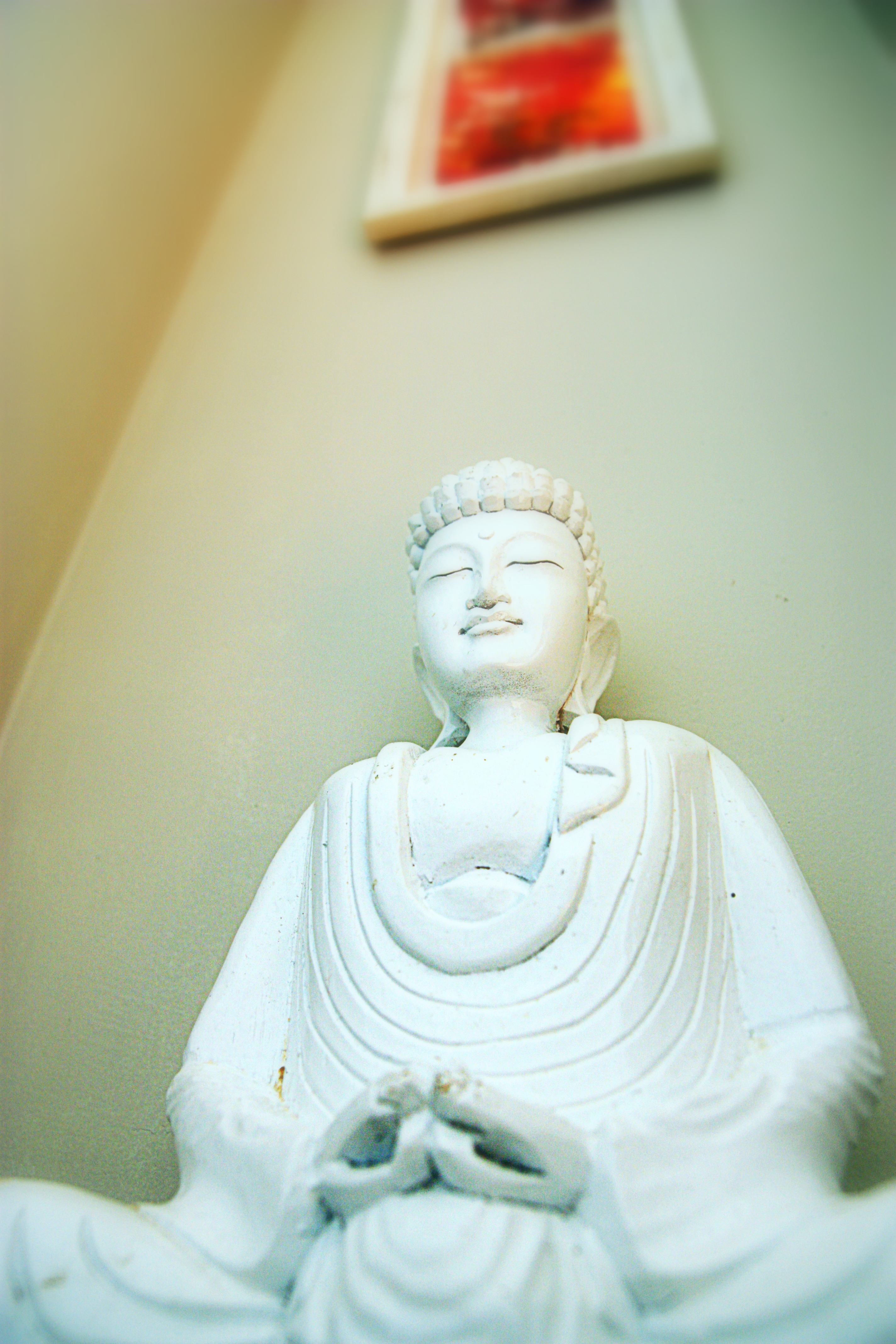
buddha, by @debsnet

Writing the PhD discussion chapter: from fear to flight

Don’t believe what your eyes are telling you. All they show is limitation. Look with your understanding. Find out what you already know and you will see the way to fly. ~ Richard Bach, Jonathan Livingston Seagull

flight, by @debsnet

Since beginning my PhD two and a half years ago, I have plugged away at my thesis, chipping at it bit by agonisingly small bit, sometimes having to retrace my steps or throw out whole sections of work. But it has progressed through dogged persistence, slow laborious work and a measure of creative problem solving. I have even found it to be wonderful celebrated ‘me time’ as I explained on the PhD Talk blog.

Yet as my big book pushed towards 100,000 drafted words, I arrived at the discussion chapter and … duhm duhm daaahhhhhhm … suddenly I screeched to a stop, paralysed by fear. After fairly consistent, if often brain-bending, progress, I had come to a standstill. Up until this point, my metaphors of PhD candidature had served to propel me forward through even the biggest challenges and hard-to-hear feedback. My PhD had been an elephant I had to eat one deliberate bite at a time, or a sculpture I needed to craft carefully, or a journey in which I put one footstep in front of the other (another nice metaphor is this one of the PhD as swimming). Yet, despite my supervisors’ assurances that the discussion chapter was just one more eatable bite, one more takeable step, I was immobilised.

Matt Might’s illustrated definition of the PhD, which I had initially found grounding, now seemed terrifying. While it demonstrated that a PhD need only push the boundary of knowledge a teeny tiny bit, it also reminded me that a doctorate is all about having an original contribution to the body of knowledge. An. Original. Contribution. Which. Pushes. Bends. And. Remakes. The. Boundary. Of. Knowledge. And the discussion chapter is where I need to – as Inger Mewburn (the Thesis Whisperer) says – not just state my findings but explain what my findings mean.

So after two and a half years of reading (and reading and reading), interviewing, analysing and writing (and writing and writing and writing), I found myself at a point at which I needed to explain what it all means. And to have the (as Inger puts it) scholarly confidence to assert my research as having an original and worthwhile contribution.

In my paralysis of PhDcrastinating I found Emma Burnett’s blog posts which helpfully explained how she planned to approach her discussion chapter and also what she actually did. These kinds of explications by PhD candidates are useful material for others as they approach different stages of thesis wrangling.

Pat Thomson, my go-to blogger on all things academic writing, describes the discussion chapter through the metaphor of taking flight. She explains that the discussion chapter is the place to “be your own expert, to fly where no other researcher has flown before.” No pressure. Her metaphor of discussion-chapter-as-taking-flight reminded me of Richard Bach’s allegorical novella Jonathan Livingstone Seagull in which the non-conformist seagull Jonathan works tirelessly, often on his own and sometimes as an outcast, towards a kind of flight never before achieved by any seagull. His passion-driven, sometimes lonely and relentlessly-perfectionist journey to ultimate flight could certainly be a metaphor for the PhD narrative (although as Pat Thomson reminds us, the PhD is not a lone journey, but collaborative work).

@debsnet & @patter Twitter discussion

In a useful Twitter conversation, Pat explained to me that the discussion chapter is a synthesis and interpretation of findings which takes them to a new theoretical level. Discussion is not a repeat or recap, but a presentation of a new reading of the research which links findings to literatures. As Pat’s blog post explains, this is the place for interpretation and theorisation. Taking it to the next level. As she suggests, it’s the time to earn the ‘Philosophy’ part of the PhD.

*      *      *

Eventually I found a mental space in which I could put some words to the page (just one word in front of the other, I told myself; get it down), and I got started on the … duhm duhm daaahhhhhhm … discussion chapter.

Firstly, I went back to my research questions, which had emerged from the literature review, and used these as a frame for my discussion. Then I went back into my literature chapter and pulled out the threads which related to those research questions, especially those areas in which I had identified gaps or areas for further embellishment or new perspectives. Then I went back to my data (in my case, three chapters of storied interview data from three different groups). While the end of each of my data chapters included some synthesis and interpretation of that data set, the discussion chapter was the time to bring all the threads – all literature and all data – together. My intention was to identify clearly what I had found and how this was related to existing literatures. After writing an initial draft which was more summary than analysis or insight, I left it. It was a start.

Now, after giving myself permission to take a break and finding some mental space and clarity through travel, I have returned to the chapter. As I write I am asking myself: What does my data mean (within the parameters of the research questions)? What established trends are affirmed or challenged by my study? What findings are surprising? What from my research is new in terms of, or absent from, the literatures in my area?

The chapter is still in draft form, but instead of standing still, mute and frozen, I am flapping my wings with a sense of how and where I’m going. Soon enough I’m sure I will take flight.

(For an update on how my approach to the discussion chapter evolved, the follow up is here.)

He was not bone and feather but a perfect idea of freedom and flight, limited by nothing at all. ~ Richard Bach, Jonathan Livingston Seagull

paper planes by @debsnet

Travel and presence: doors to clarity and joy in life and work

offerings, Canggu, Bali, by @debsnet

table of offerings being made

Wandering re-establishes the original harmony which once existed between man and the universe. ~ Anatole France

In 1964 Baudelaire described the flâneur (or for my purposes, the flâneuse) as “lover of universal life” who “enters into the crowd as though it were an immense reservoir of electrical energy.” He describes flânerie as the mirroring of crowd and environs, in which the flâneur is a “kaleidoscope gifted with consciousness, responding … and reproducing the multiplicity of life and the flickering grace of all the elements of life.”

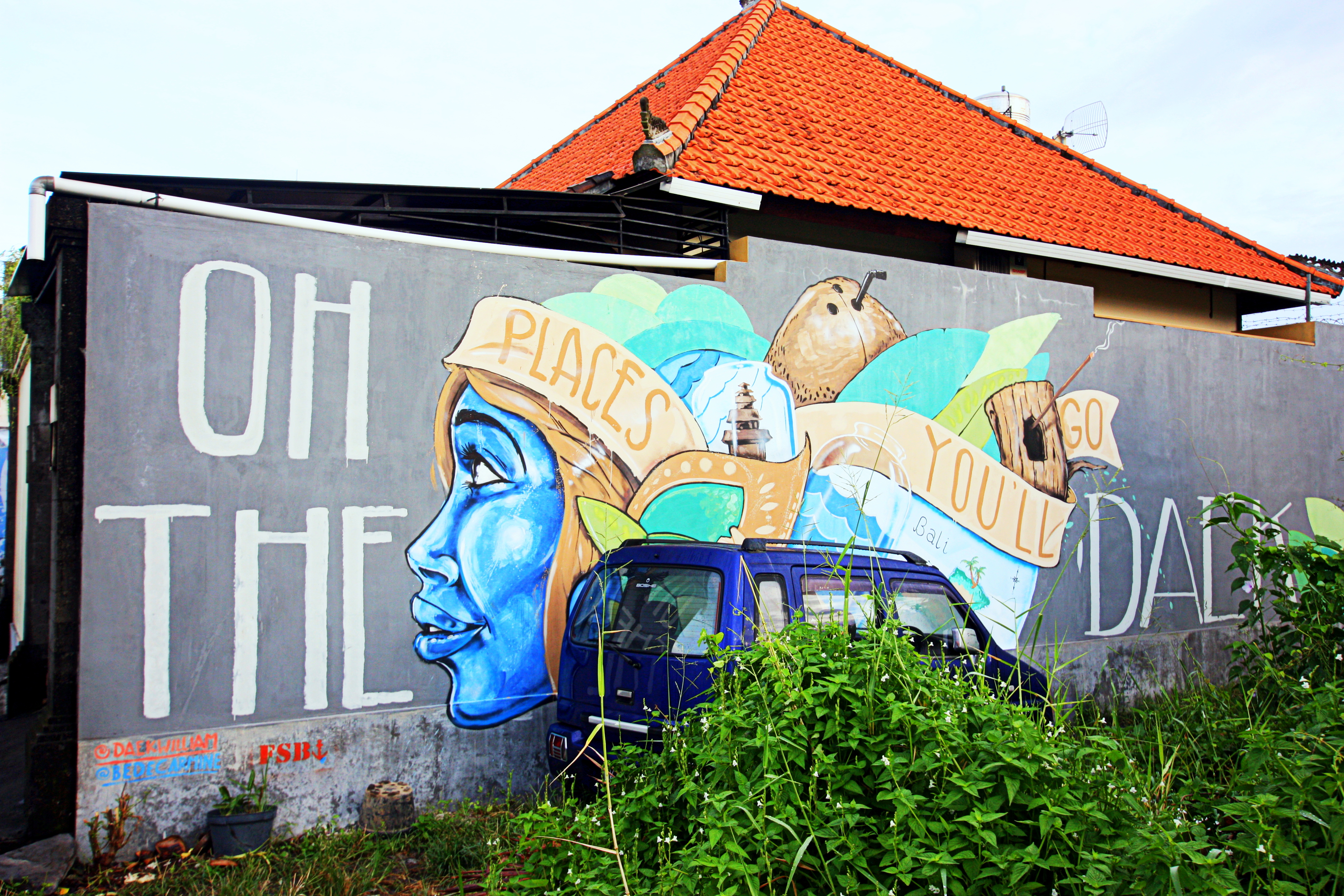
Oh the places you'll go! Canggu mural

Oh the places you’ll go!

As the édu flâneuse, then, I am mindful of channelling this notion of the reflective mirror or refractive kaleidoscope, of being an absorber of words, worlds and wonders. While I try to find awe and gratitude in the everyday, travel is the perfect opportunity for practising the flânerial mindset of intense attentiveness and expansive wide-openness.

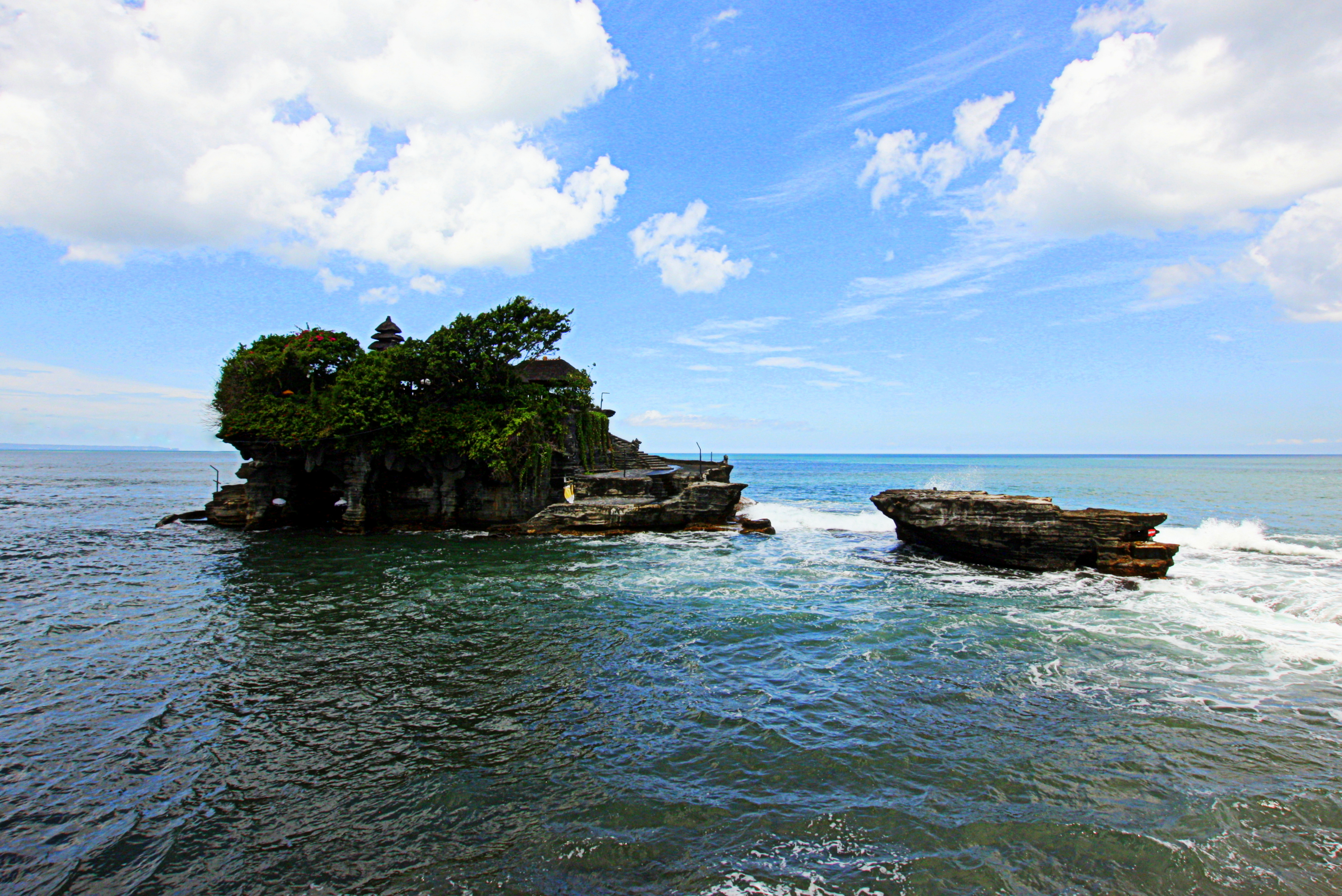
Tanah Lot, Bali, by @debsnet

Tanah Lot temple

My recent trip to Bali, in which I gave myself permission to take a break from work and PhD study (and also blogging and even engaging professionally on Twitter), was the perfect opportunity to embrace flânerie and presence (one of my 3 words of 2015). As well as unplugging from constant mental and physical engagement in work and study, I was focused on the travelling mindset, defined by Alain de Botton as being about heightened receptivity. As Adriano di Prato writes on his blog ‘Permission is Triumph’ we must each say ‘yes’ to living our lives in the way we choose.

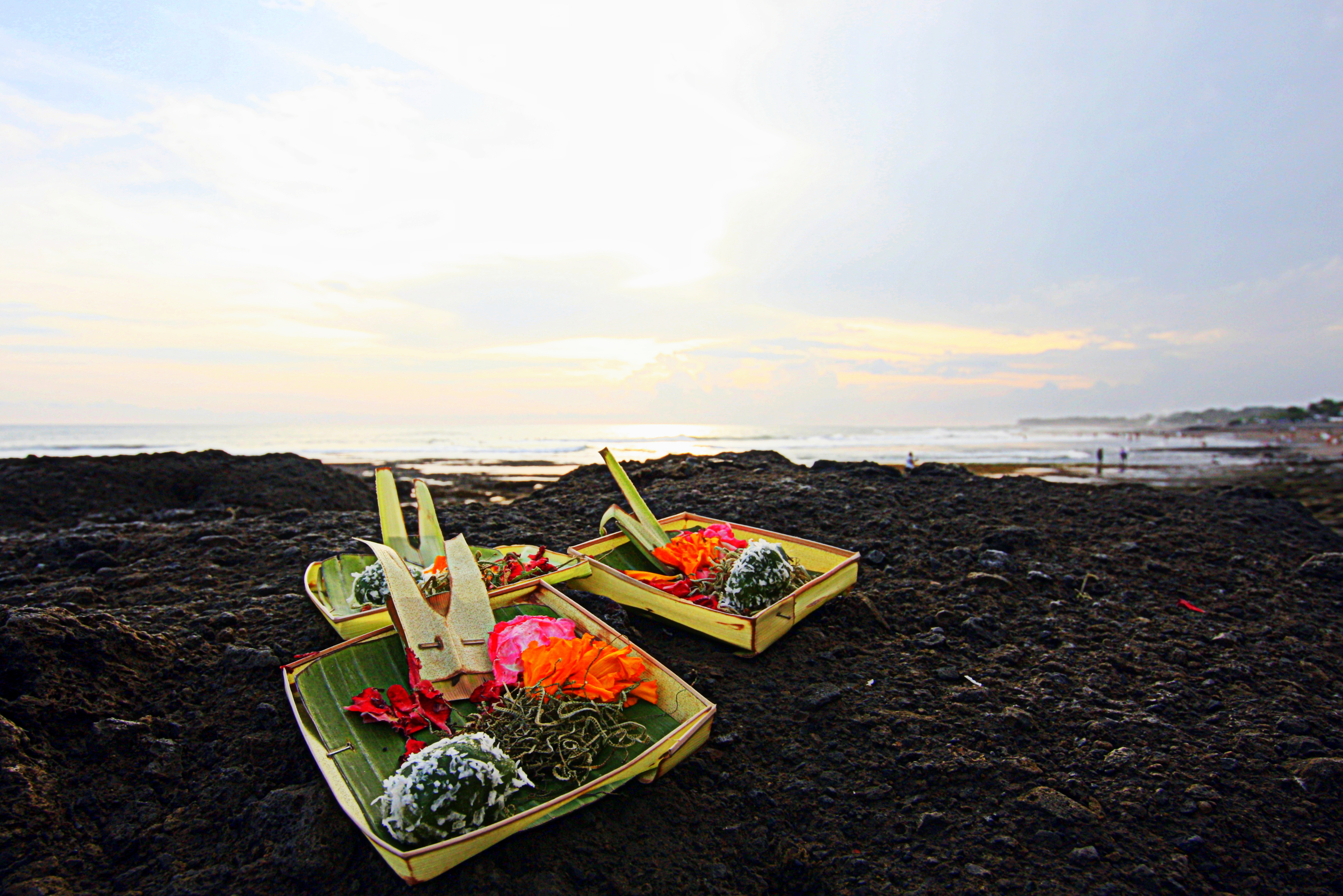
offerings on Echo Beach rocks

offerings on Echo Beach rocks

While I left home in a flurry of jumbled thoughts, to-do lists, marking piles and thesis pages, I have returned almost delirious with relaxation, centeredness and acute awareness of the present moment. The act of travel, and its immersion in people and places, has allowed me to re-ground myself, reflect and practise receptivity, allowing me to (hopefully) return to daily life, work and research with renewed clarity, purpose and joy.

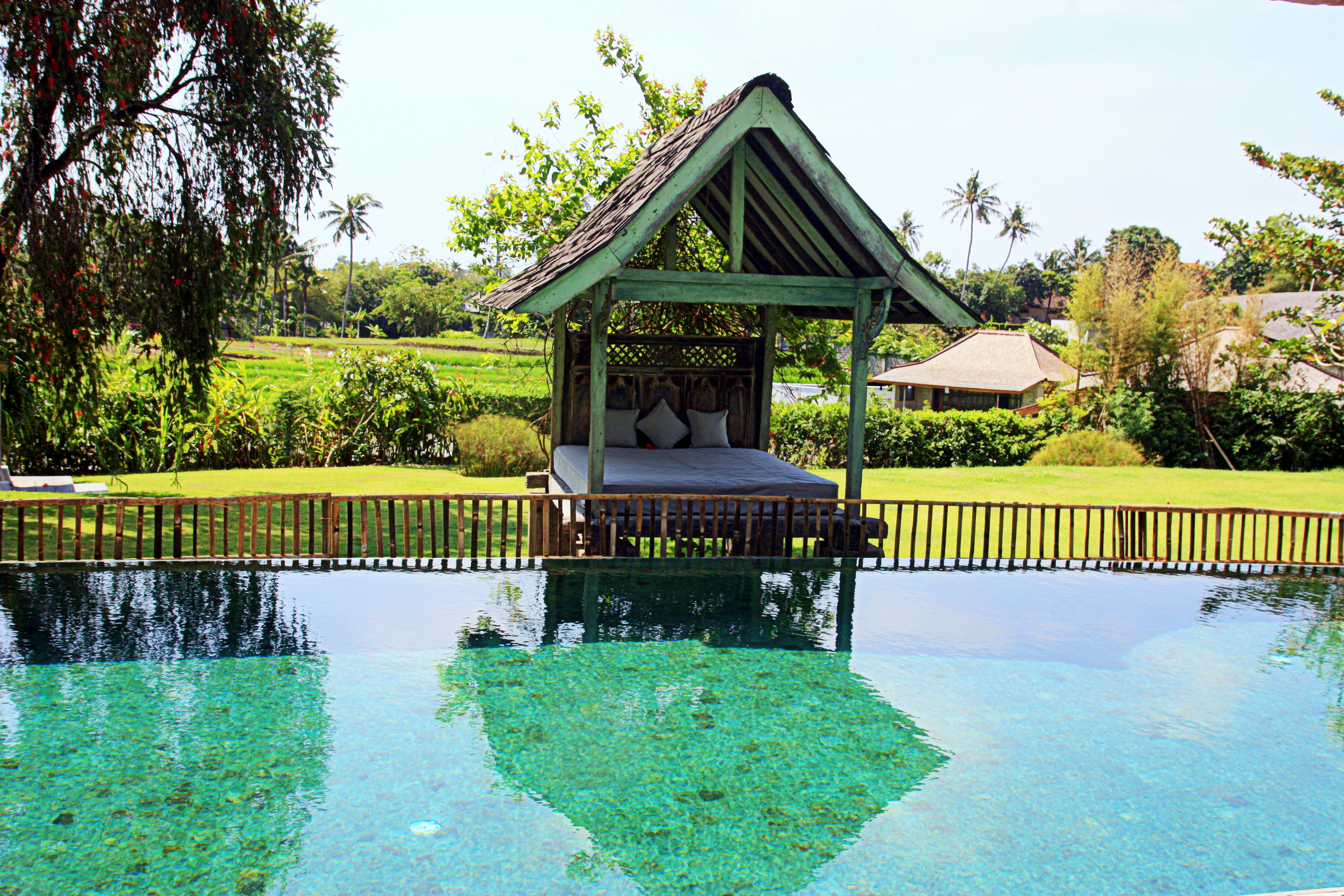
Ayana Resort infinity pool, Bali, by @debsnet

infinity pool at Ayana Resort, Jimbaran

My experiences away included those with my husband, children and friends. But they also included solo flânerial entanglements in environment. Early morning walks often provide these moments for me. In the past I have watched the sun rise above iconic landmarks including Venice’s St Mark’s Basilica and Prague’s Charles Bridge. There is something magical about being alone in the first quiet golden light of day, watching a city wake up, before it is caught in the throes and machinations of its daily grind. This trip was no exception.

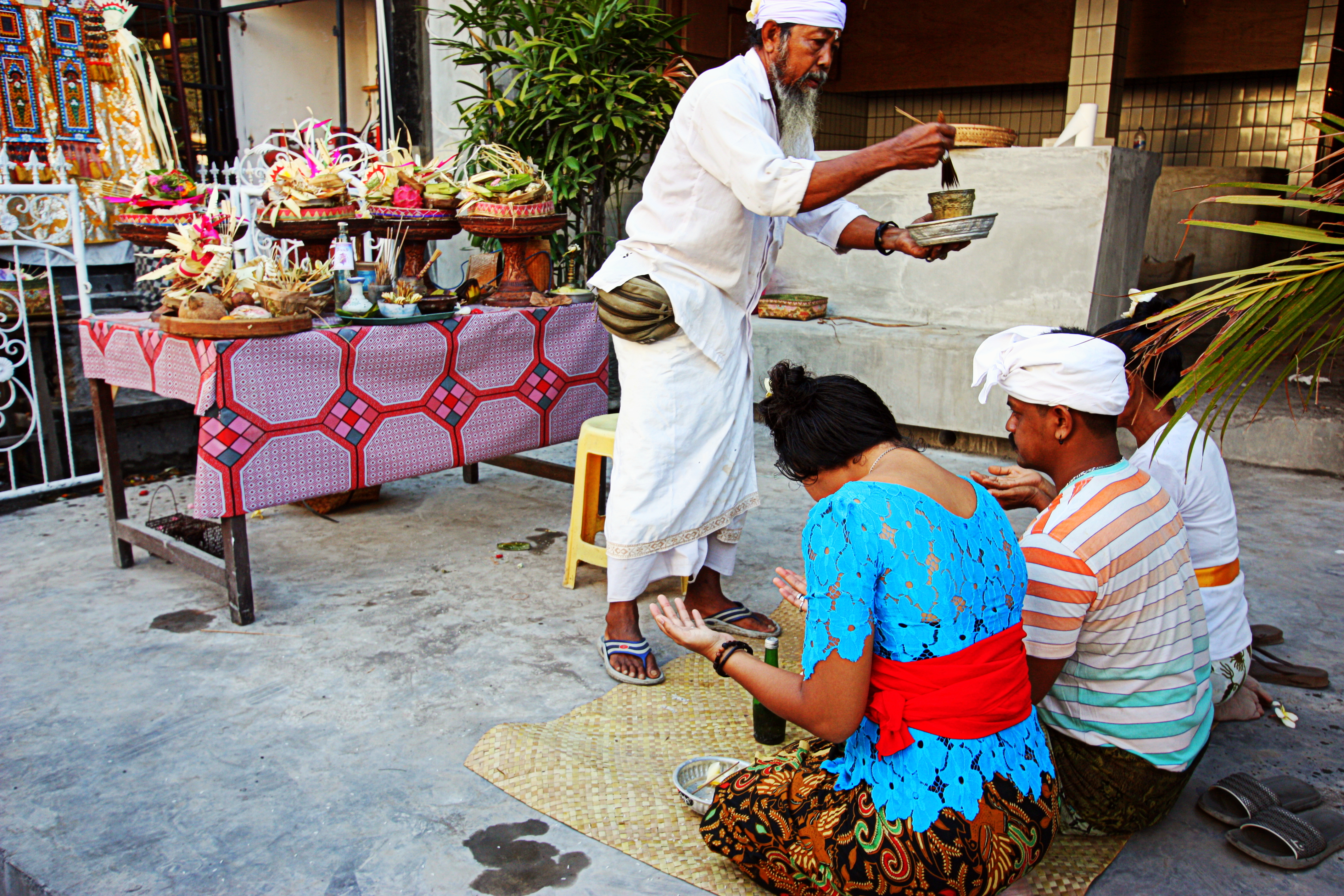
Tumpek Wayang ceremony, Seminyak, Bali, by @debsnet

Tumpek Wayang ceremony, Seminyak

One morning, as I wandered through the streets of Seminyak at dawn, I happened upon a Tumpek Wayang ceremony in which three individuals were led by a holy man in ritual. I was first drawn to this small ceremony by the sounds – the pealing of bells and the twittering of a small caged bird. I drew closer and sat nearby to watch as the ceremony continued, with prayers, offerings and sacred rites conducted with grace and in luxuriant colour. I have since discovered that Tumpek Wayang occurs every 210 days and that its purpose is to honour the god of art and artists, Sanghyang Iswara. After it had finished I was able to talk to the people about the ceremony, its significance and what it meant to them, such as the use of holy rice (bija) for blessings and to bring their god to themselves by placing the rice on their forehead and also by eating it.

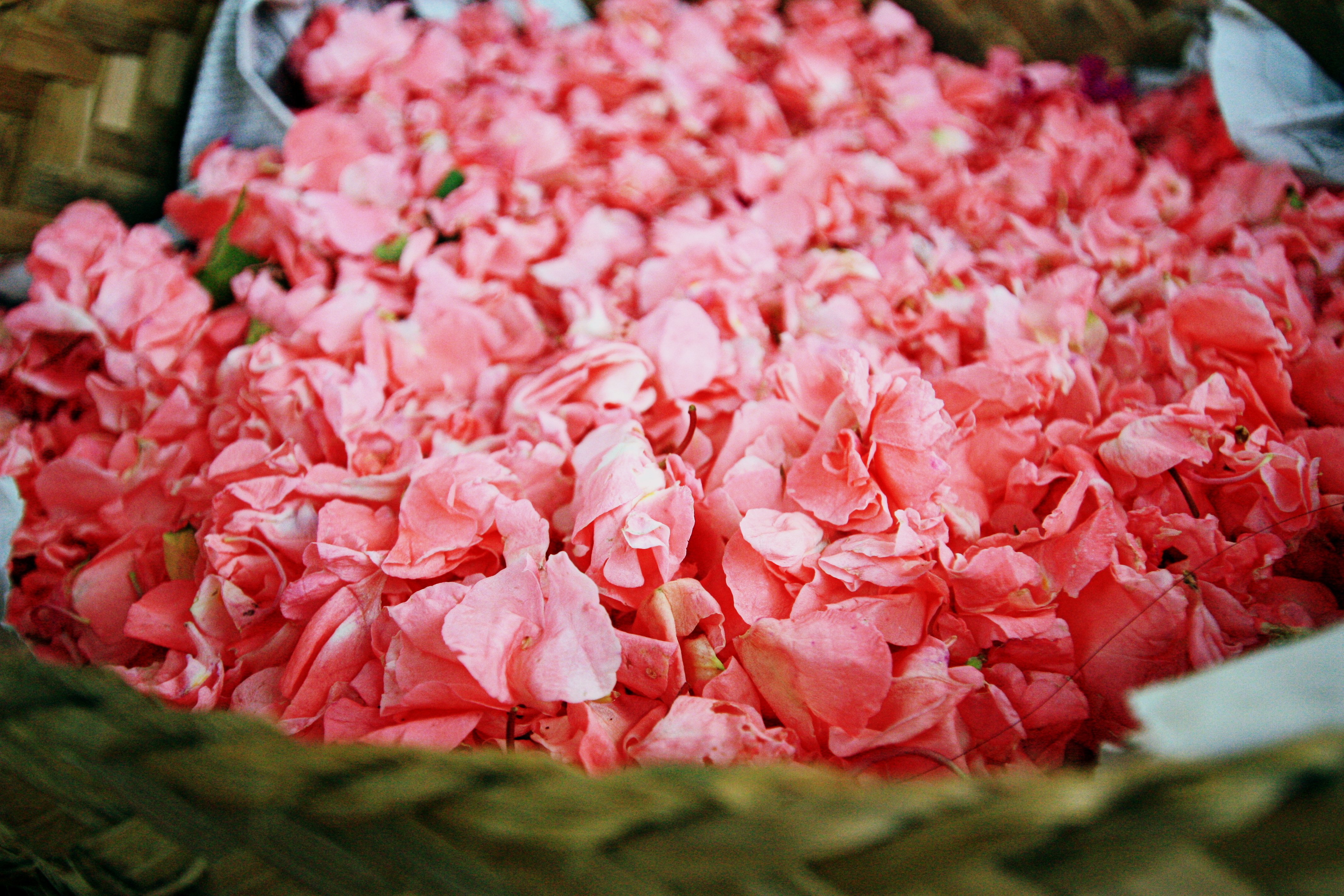
basket of petals, Bali, by @debsnet

basket of petals

Another morning, wandering through Canggu rice paddies at sunrise, I encountered a Balinese man, or he encountered me, and we began to talk. He asked me if I was a spiritual person, and we spent the rest of the walk discussing spirituality, blessings, meditation, music and love. ‘Love,’ he said, ‘is when the heart smiles.’ We talked about the meaning of Engelbert Humperdinck’s lyrics ‘there goes my everything’ and the role of music in life and self. I don’t speak Indonesian and this man’s English was limited, but we connected at a moment in time and managed to communicate across cultural and language barriers.

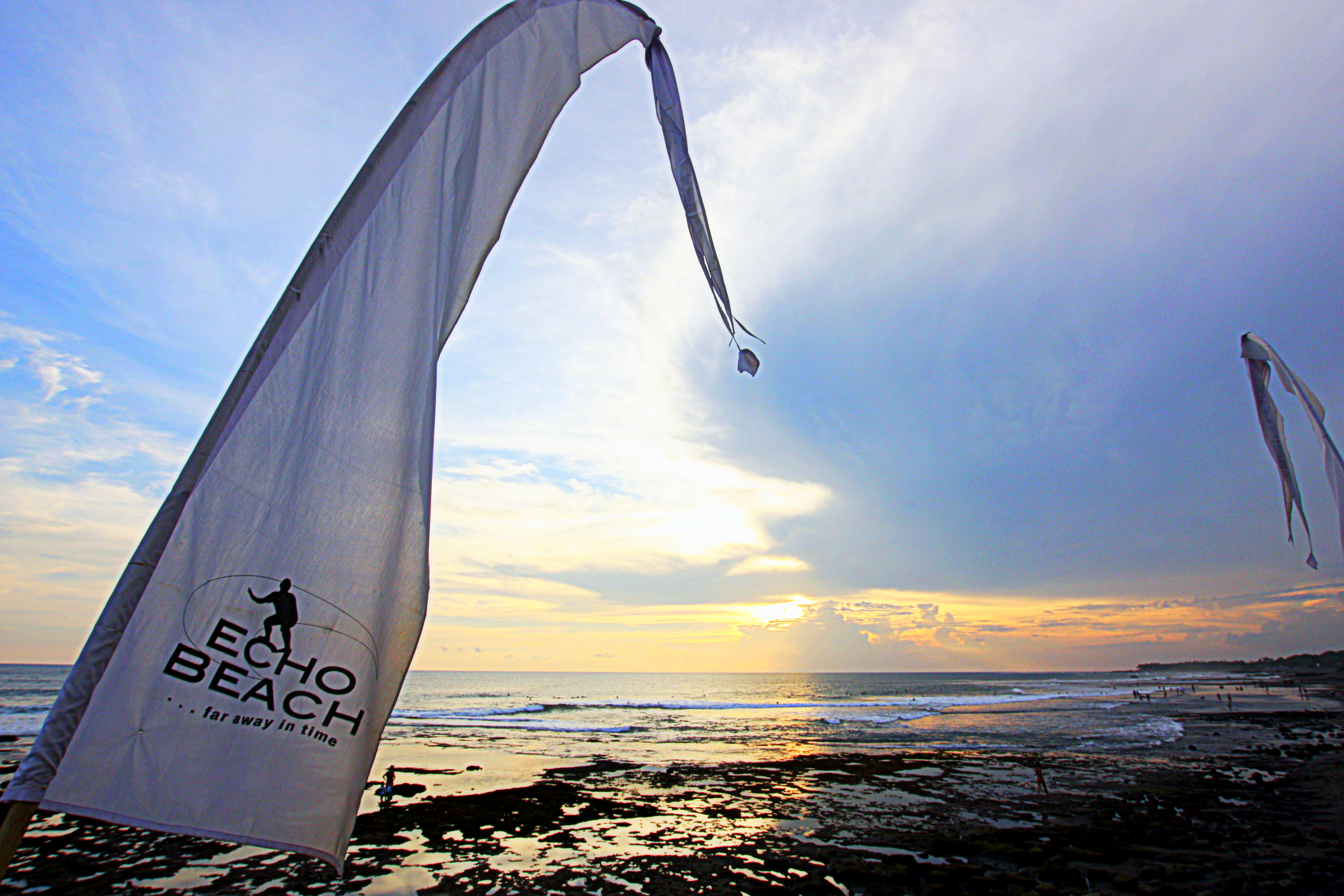
Echo Beach sunset, Bali, by @debsnet

Echo Beach, far away in time

These experiences, as well as other small moments like watching the sunset colours change or talking to a woman as she made the morning’s offerings from baskets of soft petals, allowed me to connect presence, self and world, experiencing it in open, receptive and reflective ways.

Vue Beach Club, Canggu, Bali, by @debsnet

beach club sunset

I have returned from my trip hopeful that I can hold on to this feeling of openness-to-noticing and use my flânerial Spidey senses as a tool to keep me centred on my axis. I am considering how I might bring the idea of paramaterising my commitments to work and PhD into my weekly existence. How might I make attentive noticing and openness to unexpected conversation a daily practice? How might I take more regular self-care breaks in order to restore clarity, increase productivity and protect wellness?

When you take your attention into the present moment, a certain alertness arises. You become more conscious of what’s around you, but also, strangely, a sense of presence that is both within and without. ~ Eckhart Tolle

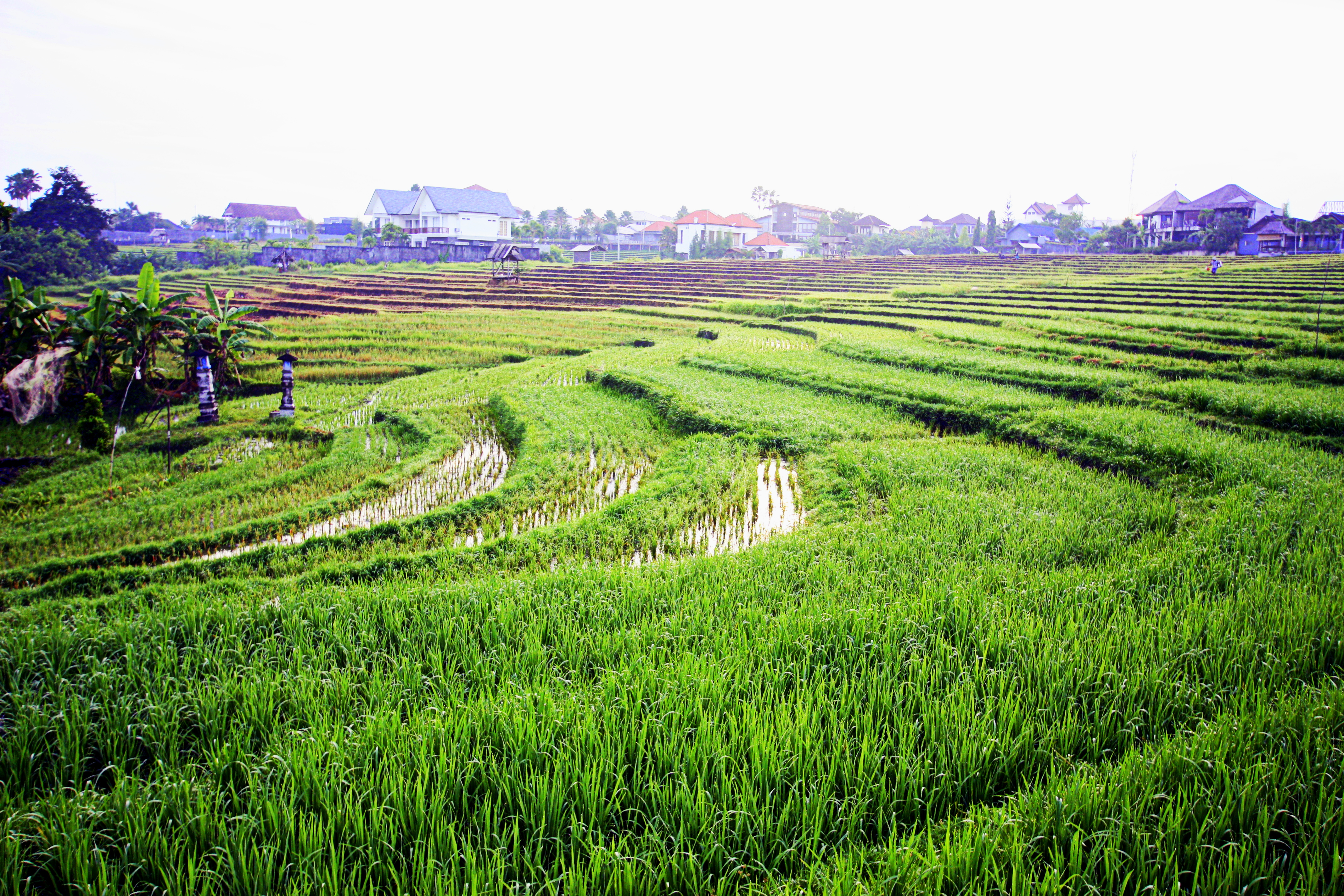
Canggu rice paddies, Bali, by @debsnet

Canggu rice paddies


Giving ourselves permission for a break: time away as self-care and strategic productivity

“What day is it?” asked Winnie the Pooh. “It’s today,” squeaked Piglet. “My favorite day,” said Pooh” ~ A.A. Milne

Villa Artis, Bali by @debsnet

Early tomorrow morning I will be on a plane to an island destination for a holiday with family and friends. I should be dreaming of silky cool pool water, fire-coloured sunsets over the ocean, meandering rice paddies reflecting blue skies, the sizzle of seafood on the beach and the clink of ice blocks in cocktail glasses.

Canggu beach, by @debsnet

And yet I have been thrashing around trying to decide whether or not to work or study or blog while I am away. Or whether I can leave it all behind and take a real break, despite ceaseless deadlines. I wonder if this is a common phenomenon in a world in which we are constantly connected to each other, constantly available to our workplaces and constantly curating, creating and sharing vignetted content of our lives and work. While flexible working hours can allow us to make adaptable life choices and social media can allow us to connect with others, do they also contribute to a cycle of relentlessness which we find difficult to break away from?

rice paddies, Umalas, by @debsnet

I have decided that I need to take a full thinking, writing, marking, everything break from my worlds of work, research and writing. One of my three words of 2015 is ‘presence’, so partly this break is about a commitment to being present with my children, husband and friends during our trip. But it is also about being ok with taking an actual break and with a commitment to self-care. I am someone who sees blogging as a break from PhD writing. Or PhD writing as a break from marking. So the idea of a break from all-of-the-things is foreign and has taken some self-convincing.

offerings, Bali, by @debsnet

There are others who have reflected on the importance of self-care, even as we catapult ourselves towards our goals. Raul Pacheco-Vega wrote on self-care in academia and the importance of privileging your own health and wellbeing. New Zealand author Celia Lashlie, who I’ve had the pleasure of hearing speak about her work, died in February after releasing a statement which read, “My wish is that others will learn to stop before I did, to take into account the limitations of their physical bodies and to take the time to listen to the yearnings of their soul. It is in the taking care of ourselves we learn the ability to take care of others.”

Seminyak sunset, by @debsnet

I love my work and my research, and most of the time I find a tenuous work-family balance. I wrote on the PhD Talk blog about the way that normally it works for me to have many things on the go, as doing any one of them feels like a holiday from the others. I also spoke there about the importance of quiet in-between times. That is, often I make the most cognitive or creative progress, on my PhD thesis or a strategic work problem, when I am walking, or driving, or taking time to be quiet and still. So luxuriating in a full, unadulterated, brazen break is also a strategy to vacation, to vacate the demands of everyday life, in order that I might return with some mental clarity and physical energy to tackle the rest of this year, which includes for me, finishing my PhD thesis and successfully implementing the professional learning and growth model at my school.

So give yourself permission for a break, small or large. To unplug from emails, tweeting, writing or planning. To take care of yourself, curl your toes in the earth and immerse yourself in somewhere, somehow or someone that gives you joy.

(Photos in this post are from a previous trip.)

(How did it go? The post-script to this post can be found here.)

Sea Circus, Bali, by @debsnet

We are all storytellers: immersed in my narrative worlds

Humans are storytelling organisms who, individually and socially, lead storied lives. ~ Jean Clandinin & Michael Connelly 

our constructed stories connect us

our constructed stories connect us

Whether teaching, writing, conversing or considering our own lives and identities, we are all doing one thing: storytelling.

I have recently been quiet in the Twitterverse and blogosphere, partly because more than ever before I am immersed in micro and meta layers of story.

I have been tunnelling into my PhD narrative research in every spare moment, thinking obsessively and writing dangerously. I am sharing, constructing and analysing the stories of myself, teachers and schools leaders in order to reveal insights into professional identity, professional learning and school change. I am penning my first journal article about experimental ways of telling, utilising and analysing stories in research.

When I am not researching or thinking about my narrative research, I am teaching English to high school students. Reading stories, writing stories, analysing stories, watching stories, performing stories.

Or I am with my own children, reading stories, telling stories, making storyable memories, recounting favourite moments, role playing imagined scenes with make believe characters. Or talking to my husband about his work in media and content marketing, which is all about individuals and organisations telling their stories and constructing their storied identities, in order to communicate and connect. Or blogging vignettes from my own lived story. Or planning conference presentations of my research story or the story of my school’s teacher growth model.

We are indeed storytelling creatures. While I also try to be present in each moment and to live in wonder, stories embody the ways we construct our experiences, connect with each other and the world. I write my own stories, teach the telling and interpreting of stories, and engage in the theorising of stories. Have I used the word ‘story’ enough times in this post to indicate that it is currently both intoxicating and maddening to me? Story story story.

Obsessed and submerged, back into the subterranean story cave I go …

After nourishment, shelter and companionship, stories are the thing we need most in the world. ~ Philip Pullman

by @debsnet

When imagination & hard work collide: making something amazing

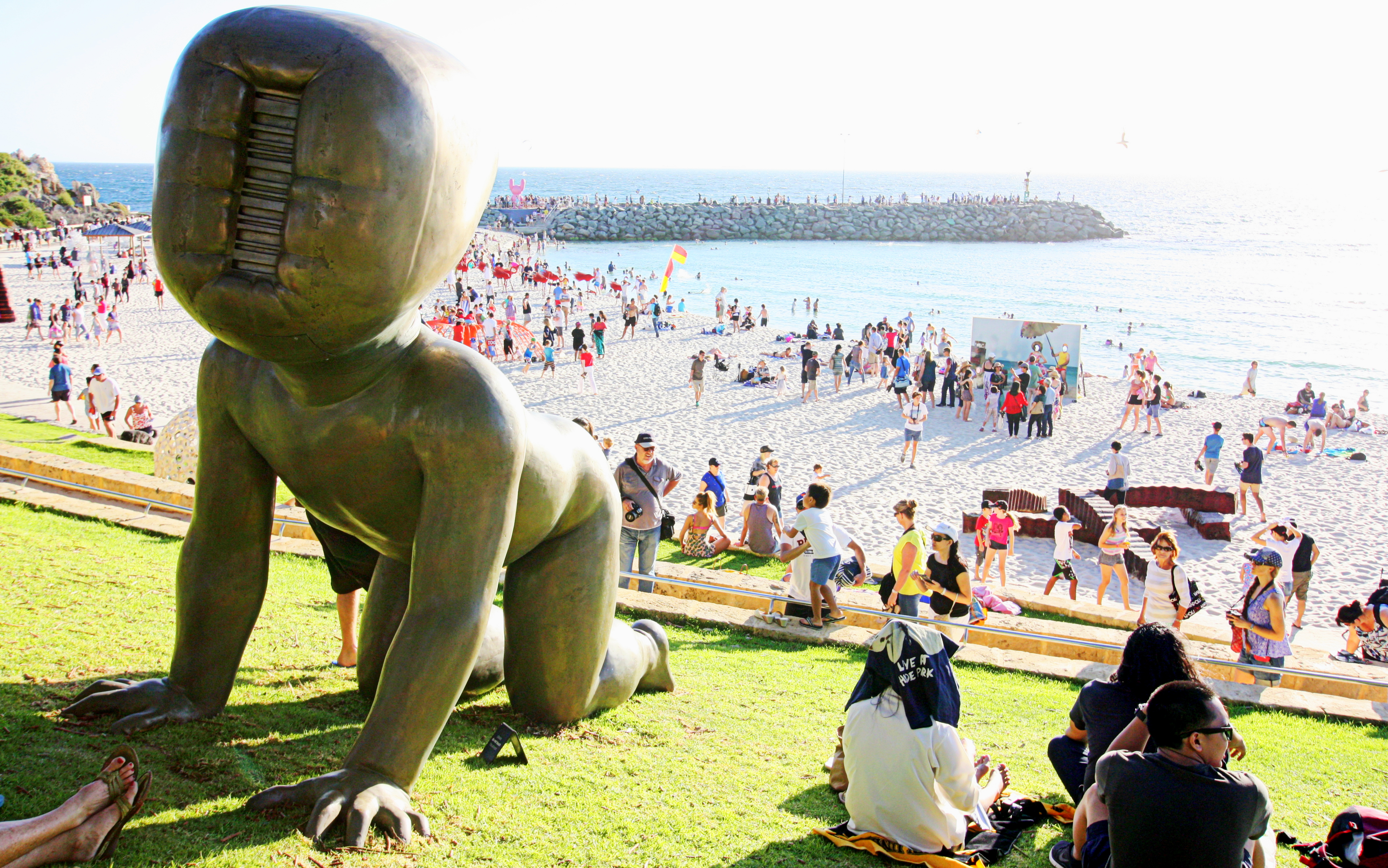
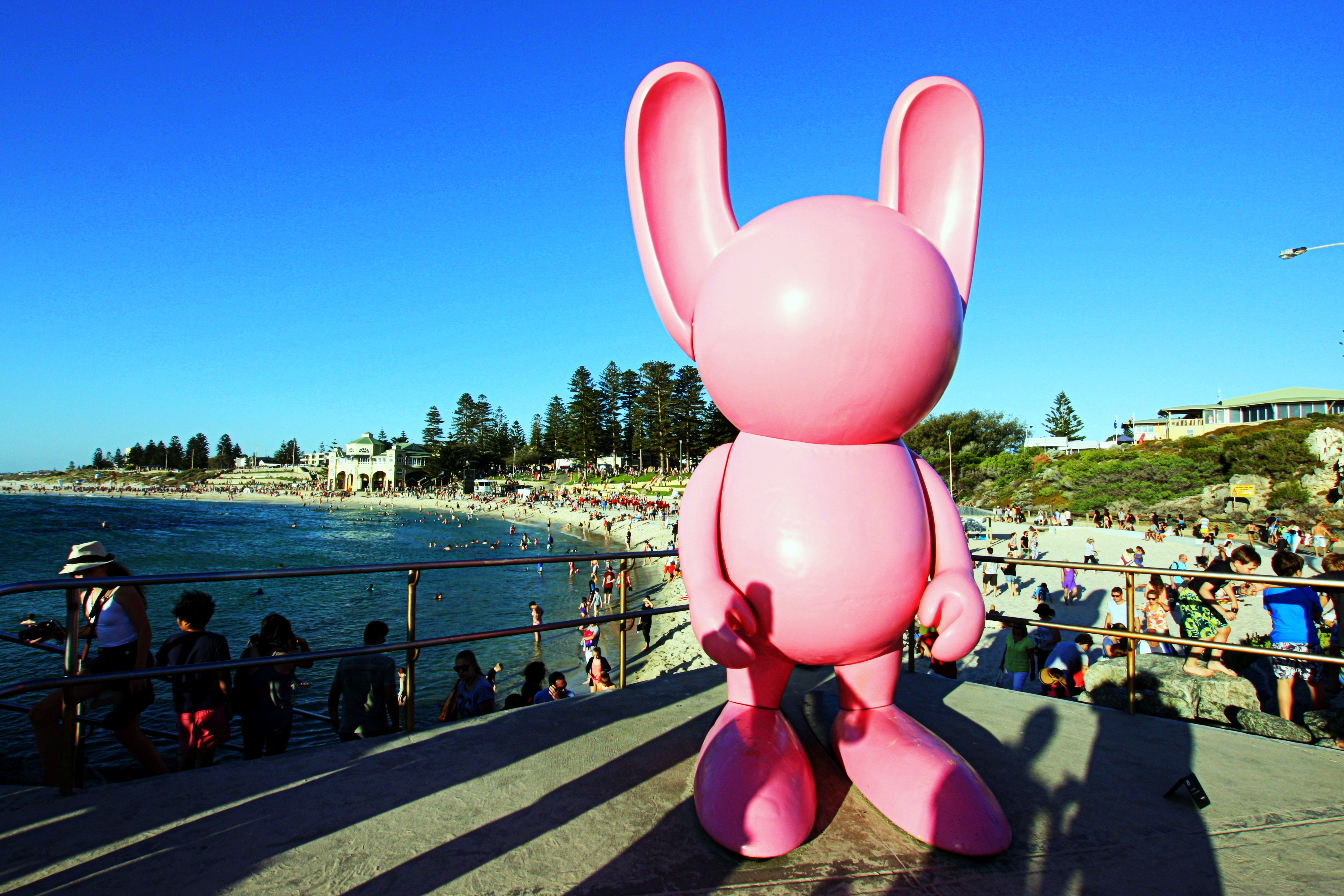
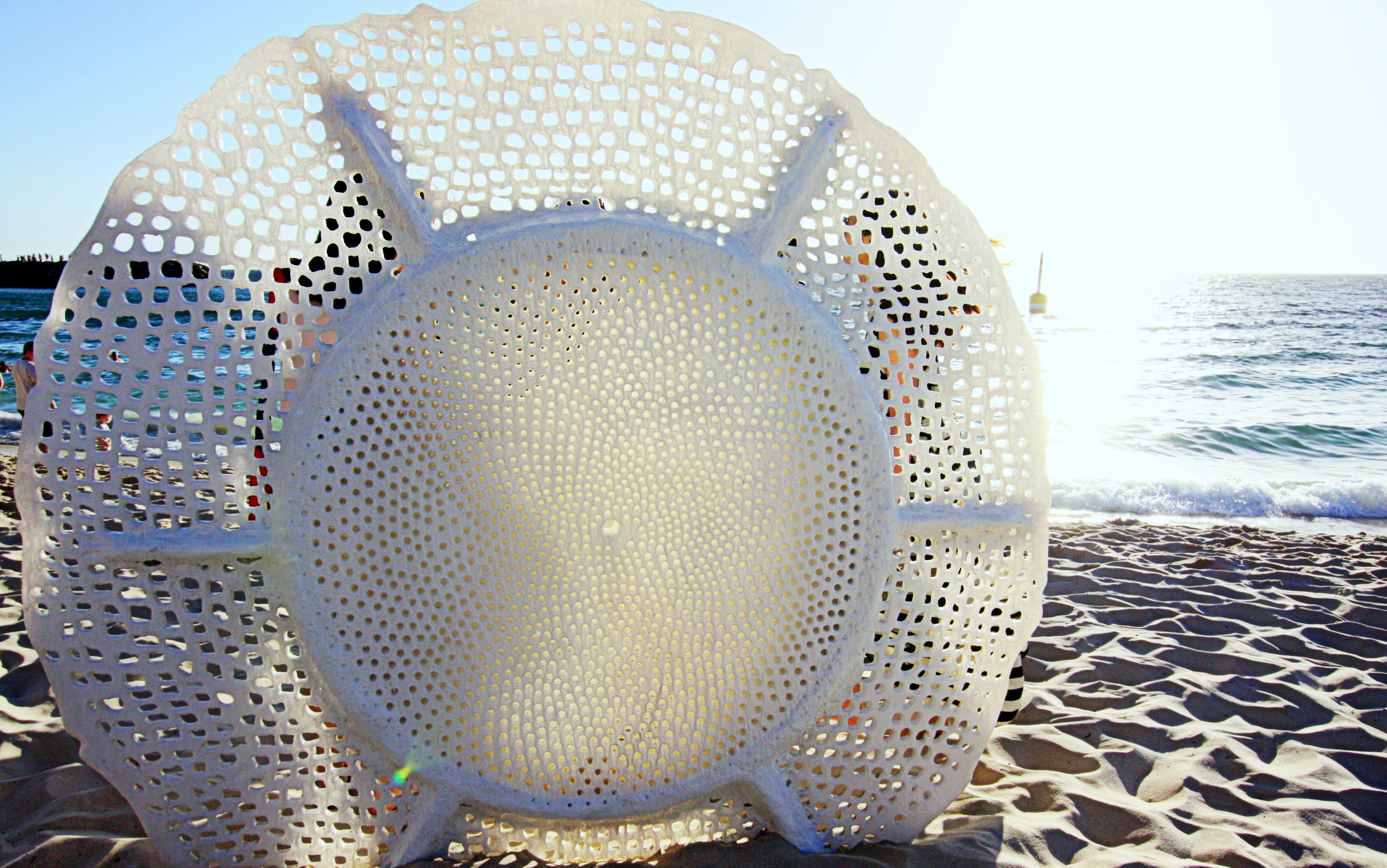
Sculpture by the Sea, Cottesloe, by @debsnet

If people knew how hard I had to work to gain my mastery, it would not seem so wonderful at all. ~ Michelangelo Buonarroti

Today is International Women’s Day and as a woman trying to balance parenting, working, PhD and being a person, I have recently felt overwhelmed. I don’t believe in men or women ‘having it all’ but I do want us all to have the freedom and power to make our own choices. Sometimes, though, the choices we make can feel like difficult paths to walk, especially when something surprising tips us off balance and throws our delicate ecosystem of relationships, roles and responsibilities out of its precarious equilibrium.

On top of the usual teaching, parenting and life stuff, my work at school is currently focused on school-wide implementation of a strategic project focused around teacher growth. My PhD is centred around pulling 300 references, reams of data and over 200 pages of words into a coherent thesis, in time to meet my own personal deadline for submission (of course, this deadline is four months ahead of the official deadline required by the university.) Along the way, I am trying to keep the magic, spark and creativity in my thesis. It is a bit weird, a bit whacky, and a lot me. Part of me is thrilled that I have been able to craft a research project and document which so authentically aligns with my own (lovably weird) identity, and part of me is anxious about the work still ahead. I need to ensure it resonates with what I value in research while also being acceptable (even significant?) in the world of academia.

So, much of what I am presently in the midst of working on requires daily commitment, laser-like focus and hard grafting work. Perhaps this, combined with piles of marking and lesson preparation, has contributed to me feeling drawn to the creative and the crazy. I have been seeking out connections with things which capture my imagination and buoy me with their colour and magic.

As a follow-up, then, to my experience of gigantic marionettes walking the streets and this post on my friends’ amazing interactive sculpture-on-the-beach, here are some more shots from this year’s Sculpture by the Sea exhibition.

Perhaps you will also find solace and escape in the wonder-full, the unexpected and the strangely beautiful. How is a PhD like a sculpture? These sculptures, while capturing imagination, are also the outcome of commitment, dogged determination and hard, systematic work.

Sculpture by the Sea, Cottesloe, by @debsnet Sculpture by the Sea, Cottesloe, by @debsnet Sculpture by the Sea, Cottesloe, by @debsnet Sculpture by the Sea, Cottesloe, by @debsnet Sculpture by the Sea, Cottesloe, by @debsnet Sculpture by the Sea, Cottesloe, by @debsnet

Dream Big, Do Big: an example of inspiration, imagination & perspiration

Creativity represents a miraculous coming together of the uninhibited energy of the child with its apparent opposite and enemy, the sense of order imposed on the disciplined adult intelligence. ~Norman Podhoretz

artists Nicole Bailey and Trisha Lee enjoy their interactive sculpture

artists Nicole Bailey and Trisha Lee enjoy their interactive installation

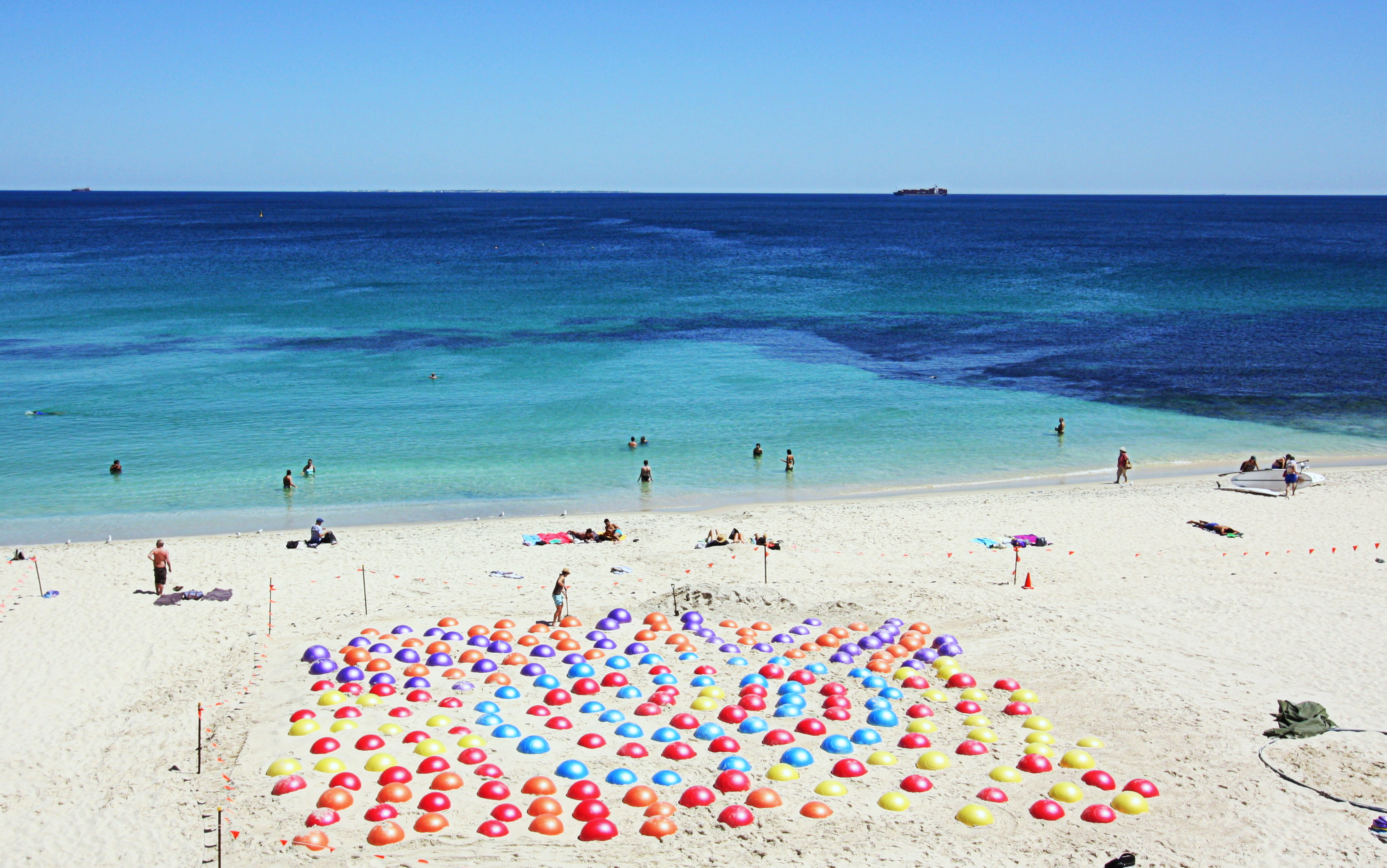
This week I have watched some friends bring a crazy-wonderful dream to life. I am so excited about it because their project was the perfect storm of imagination and perspiration, creativity and scientific thinking, dream and action, madness and wonder. For this year’s Sculpture by the Sea exhibition at Cottesloe beach, they have brought together Aboriginal art, sand, sea and colourful PVC fit balls to create an artwork. As it says on the Water Dreaming webpage, “Water Dreaming is an Aboriginal dot painting installation in which the dots are represented by 250 inflated PVC balls embedded in beach sand. From terraces overhead the viewer will see a Dreamtime dot painting. Up close it’s an interactive play space where art and fun collide and visitors can bounce on and around the dots.”

It had long since come to my attention that people of accomplishment rarely sat back and let things happen to them. They went out and happened to things. ~ Leonardo da Vinci

filling balls with sea water and air; work in progress

filling balls with sea water and air; work in progress

The artists Trisha Lee and Nicole Bailey collaborated with Indigenous artist Shorty Jangala Robertson, of the Warlukurlangu Artists Aboriginal Corporation, to design the concept of bringing a Dreamtime story to life on the beach. The beach is an apt location for a depiction of an artwork from a tribe whose artists traditionally make art on sand and appreciate its transience and changeability. As an interactive artwork, it may well change during the exhibition, which runs from the 6th to the 23rd of March.

balls at sunrise, ready for installation

balls at sunrise, ready for installation

Not only do art and fun collide in this installation, but so do art and community. The installation is crowd funded, crowd created and will be crowd enjoyed. People will be told the artist’s Indigenous Dreamtime story and be able to play between, around and on the bouncy balls (which are filled with sea water and air).

To create this interactive sculpture, one lone water pump pumped 17,500 litres of water from the sea, across a sandy beach, up a hill to water tanks and all the way back down, to fill 246 big colourful fit balls. A digger dug a trench perimeter and helped to shift 30 cubic metres of sand, covering 290 square metres. Over two days, an army of one hundred volunteers filled and laid 250 sandbags and filled, rolled, hauled and placed balls. You can see it being installed in these time lapse videos of Day 1 and Day 2 of installation.

Sometimes I’ve believed as many as six impossible things before breakfast. ~Lewis Carroll

installation involved a digger and 100 volunteers

installation involved a digger and 100 volunteers

This was an example of risk taking in full flight and dreams come to life. What sort of inspiration and perspiration does it take to create a painting on a huge scale amid moving sand and with balls able to be bounced on and interacted with? What sort of people, what kind of force, can make that happen through the power of people, nature, art and technology? This project required not only blue-sky imagination, but also systematic experimentation, trial and planning in order to make it work.

The finished work - a dot painting on the beach, against the backdrop of the Indian Ocean

the finished work – a dot painting on the beach, against the backdrop of the Indian Ocean

This artwork stands as an inspiration to me as an individual, parent and educator. Shouldn’t we all aspire to making improbable dreams possible, to bringing vision to life, to dare to do something others might think crazy? Here’s to being creative, wildly imaginative, joyful and experimental, but also systematic, pragmatic, scientific and dogged enough to make moonshot ideas tangible reality.

Think left and think right and think low and think high. Oh, the thinks you can think up if only you try! ~Dr. Seuss

weeks of interactive bouncy fun!

weeks of interactive bouncy fun!

Research and education: a match made in the conference room? #rEDSyd

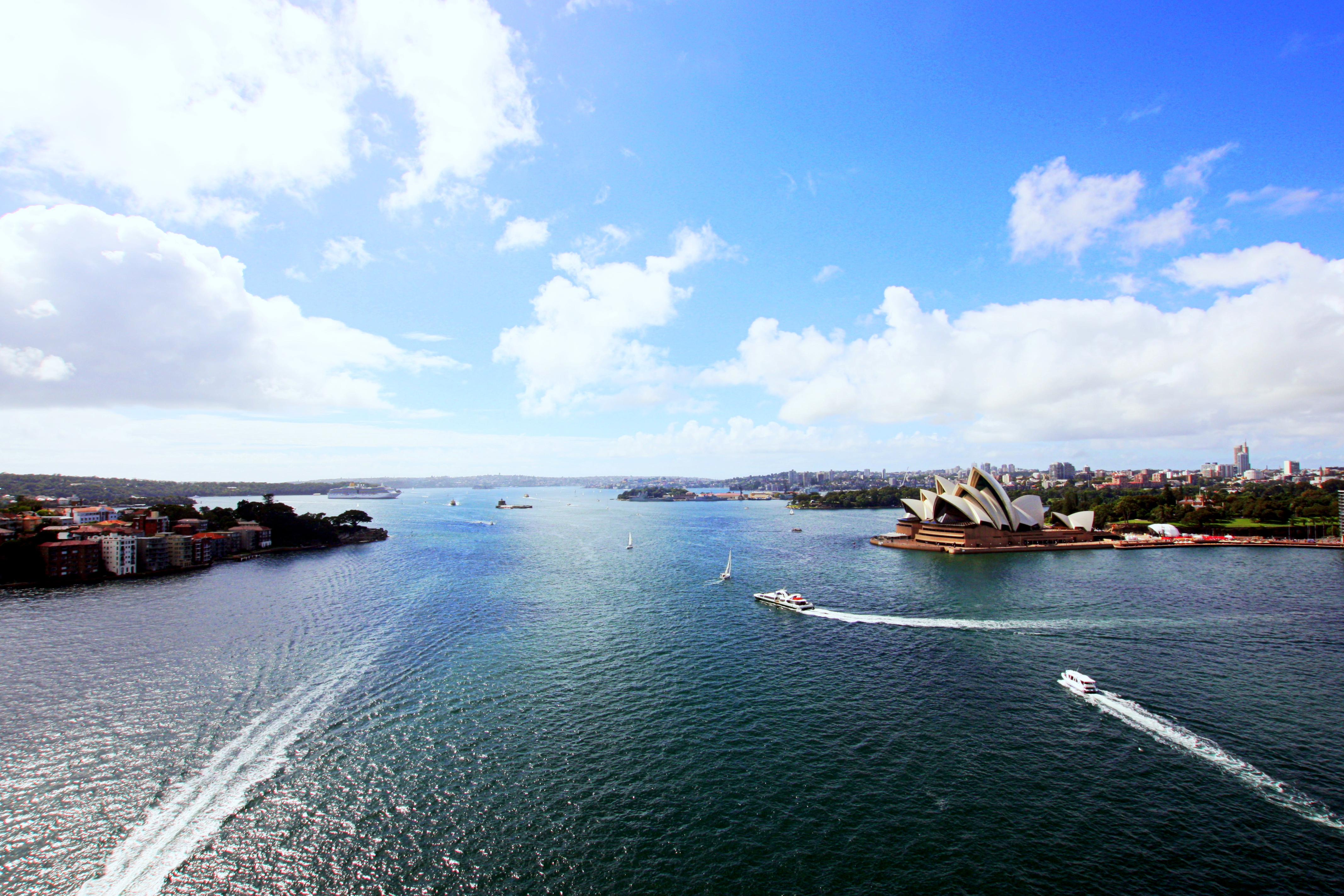
Luna Park, Opera House, Harbour Bridge

 If you want to go fast, go alone. If you want to go far, go together. African Proverb

I have just returned from presenting at the researchED conference in Sydney. As explained on its website, researchED, founded by Glaswegian Tom Bennett (you can read his reflection on the day here), is a “grass-roots, teacher-led organisation aimed at improving research literacy in the educational communities, dismantling myths in education, getting the best research where it is needed most, and providing a platform for educators, academics, and all other parties to meet and discuss what does and doesn’t work in the great project of raising our children.”

It is the first time this conference has come to Australia and I was pleased to, through attending and presenting, be part of a movement to close the gap between educational research and practice, between academic theorising and school reality.

view from Sydney Harbour Bridge

view from Sydney Harbour Bridge

As a hybrid teacher-leader-researcher I believe in consuming, curating and creating research in order to influence theory and shape practice. At the researchED Sydney conference, I presented with a colleague on our school’s emerging-from-research teacher-professional-learning-and-growth model. It was a current example of how a school might utilise research and a scientific-but-also-people-driven process to develop a strategically aligned, evidence-based, context-appropriate initiative.

Opera House

Opera House

Some of our key presentation messages about school change were:

  • Go slow to go fast. School change is an evolution not a revolution.
  • Start with context and vision. Align initiatives and interventions with it.
  • Believe in the capacity of all individuals to solve their own problems, do their own thinking and drive their own learning.

This next image reflects those things we hoped our model would achieve. We have data measures planned to measure, as much as we can and in a variety of ways, the impact of this model.

'Take one' (or take all!) for your school

‘Take one’ (or take all!) for your school

The researchED conference (or is it a movement?) was one example of a forum for real life, cross-continental, global sharing of research-influenced education practice. You can read some other blog reflections here and here. We need frames and contexts which facilitate conversations between school and academic worlds, in order to facilitate more considered and systematic approaches to education.

Luna Park

Luna Park