Presence, Sharing, Strength: 3 words for 2015

presence * sharing * strength ~ words for 2015 against the backdrop of my New Year's Day

presence * sharing * strength ~ my words for 2015 against the backdrop of my New Year’s Day

Hope smiles from the threshold of the year to come, whispering, ‘It will be happier.’ ~ Alfred Tennyson 

We have passed across the threshold of the year to come. The new year is upon us.

While I tend to reflect constantly and set small, achievable goals, it’s been a while since I have set a New Year’s resolution (and I don’t intend to start here; what follows is an alternative approach to finding focus at the inception of another trip around the sun). While I love a good list, and an inspiring goal, I also love a good vision. Like organisations, individuals function optimally when we align our words and actions with a clear, coherent sense of identity and vision. Chris Brogan advocates for a simple personal visioning exercise to develop our own personal vision for the year ahead: ‘3 words’. Interestingly, some people (like educator Kirsten Wilson here) use this approach intuitively.

This is my first year of utilising the 3 words approach, and here they are:

Presence

This is a year of being present for me; of hereness, mindfulness and breathing into each moment. Presence, as I wrote about here, is an ongoing daily focus for me. My life, like most lives, is filled with competing, overlapping commitments, including my family, teaching, leadership role, PhD research, wellbeing and relationships. I have written about how I approach doing a PhD and my thinking around finding work-family commitment. My intention is to commit to being absolutely present in each of these spaces. If I can minimise distractions and focus fully on experiencing the person or task at hand, I can be immersed, productive and joyful. I can nurture relationships and be effective in my work and writing. I don’t want to see 2015 as a mad juggle of life’s components, but as a kind of ecosystem of interconnected wonderfulness in which all elements can be honoured and enjoyed. In amongst the doing needs to be the being.

Sharing

Sharing is reciprocal and collaborative. I read what others share. I share my thoughts on social media and on this blog. I share the stories of others in my PhD (which uses narrative research to examine transformative adult learning and school change). This word could have been ‘connecting’, ‘storytelling’, ‘expression’, ‘conversation’, ‘communication’, ‘collaboration’ or ‘tribe’ but none of those capture quite what I mean by ‘sharing’. In 2015 I am sharing – hopes, dreams, stories, pedagogy, beliefs, leadership approaches, writing strategies – with my friends, family, PhD, supervisors, PLN, Twitterverse, blogosphere and hopefully even some thesis examiners (although that might not be until 2016). As I discussed in my post about writing dangerously, I will be writing various texts in various styles to be shared with various audiences. Sharing our own thinking makes connections, starts conversations and builds collaboration. Sharing is viral, organic and transformational.

Strength

In 2015 I want to be strong in body, convicted in belief, confident in voice and resilient in character. A strength regime therefore involves physical bodily exercise including strength training, development of writerly voice (especially important in the final stages of my PhD), honouring my deeply held beliefs, and confidence in sharing my thinking in blogs, at conferences and in academic articles. Strength in myself and my identity means being able to stand up for my ideas, believe in my approach and be accepting of my own idiosyncracies, my own creative ways of thinking, my own imperfections and my own brand of ‘lovably weird’.

If you are looking for more visioning inspiration, check out the 2015 #3words blog posts of C. C. Chapman, Joyce Sullivan and Sheree Martin. Educators, check out Dave Burgess’s Teach like a PIRATE: Passion, Immersion, Rapport, Ask & analyse, Transformation and Enthusiasm – kind of a vision and a list all rolled into one acronym. ‘Piracy’ would be a pretty good word.

What are your 3 words for 2015? I would love to hear them.

It is a mistake to try to look too far ahead. The chain of destiny can only be grasped one link at a time. ~ Winston Churchill

into the future we go

into the future we go

2015: The Year of Writing Boldly, Abundantly & Dangerously


Writing Dangerously by @debsnet

Get it down. Take chances. It may be bad, but it’s the only way you can do anything really good. ~ William Faulkner

For me, 2014 has been a year of writing thoughtfully, reflectively and introspectively.

As always I have been writing unit plans, assessments and resources for my students. I have been writing 140 character tweets, and participating more and more in education Twitter chats (such as #satchat #sunchat #aussieED #whatisschool and #BFC530). I have started a blog in which I have been experimenting with voice and purpose. I have been writing my PhD, which is currently at almost 80,000 words. As part of my PhD I have written a self-study chapter in which I reflect on myself as learner, educator and leader.

2015 will be my year of writing abundantly, boldly and dangerously.

Writing abundantly

In 2015 I will need to write abundantly. I will need to write words and words of thesis. I will need to pen some papers on my research. I will need to write applications and abstracts for education and research conference presentations. I will write blog posts. I will write tweets.

Each form of writing is a different kind of therapy. I am prone to over-wordiness (I love words!), to verbosity, to an inability to be concise. Thankfully, Twitter is therapy for the verbose. To distil thoughts into 140 character bites is to crystallise thinking down to its essence. I am never more concise than when I tweet. Blogging allows personal exploration of ideas in an informal space. My blog is where I can explore ideas in greater depth than a tweet, but in more informal ways than in academic writing. My thesis is the place where I get to burrow into challenging writing problems and thrash around, working hard until I break through and find a solution. The PhD is writing friend and nemesis, a beast I have to wrestle into its cave, clay I have to mould into its form (or is that stone I have to hack at until it takes shape?).

And the more I write, the more my writerly-self expands and transforms, like a shape shifter, always taking new forms in organic, non-linear ways. I am a hybrid writing being who writes as educator, school leader, researcher and bloggess. 2015 lays the challenge of balancing these overlapping writing selves.

Writing boldly

I will need to be bold in my writing in 2015.

I will need to be boldly honest, self-reflective, self-revealing and authentically-voiced in my blog posts, and in the conversations which bloom from those. I will need to be willing to disagree in Twitter conversations, in order to promote robust discussion instead of an inward-looking echo chamber of the same voices saying the same things.

In my third (and hopefully final) year of my PhD study I will need to be self-assured in discussing the contribution of my work. I will need to be confident in communicating in my own academic voice.

Yet in my boldness I will need to be sensitive to ethical issues such as how to tell others’ stories while protecting their anonymity and the authenticity of their words. Part of the reason I choose to blog and tweet under a pseudonomic identity is to protect my research participants. So boldness needs to be tempered with thoughtfulness.

Writing dangerously

Language is power. Words are tools. As a teacher of English and Literature part of my job is to help students to understand how language works (functionally, socially and globally), and help them to develop the capability to use its power to communicate, share, converse, discuss, disagree and disrupt.

Writing can be dangerous. It can be disruptive. It can be transformational for writer and reader. It can change individuals, groups, organisations and the world.

2015 is the year for all researchers, bloggers, tweeters and writers (or ‘those who write’, but don’t think of themselves as ‘writers’ as Pat Thomson explains in this post) to write fearlessly and compassionately, abundantly and concisely, reflectively and dangerously. I’m going to give it my best shot.

Happy writing!

A writer never has a vacation. For a writer life consists of either writing or thinking about writing. ~ Eugene Ionesco

write fearlessly by @debsnet

Presence not presents: connect, unravel & be this Christmas

Joy is not in things; it is in us ~ Richard Wagner

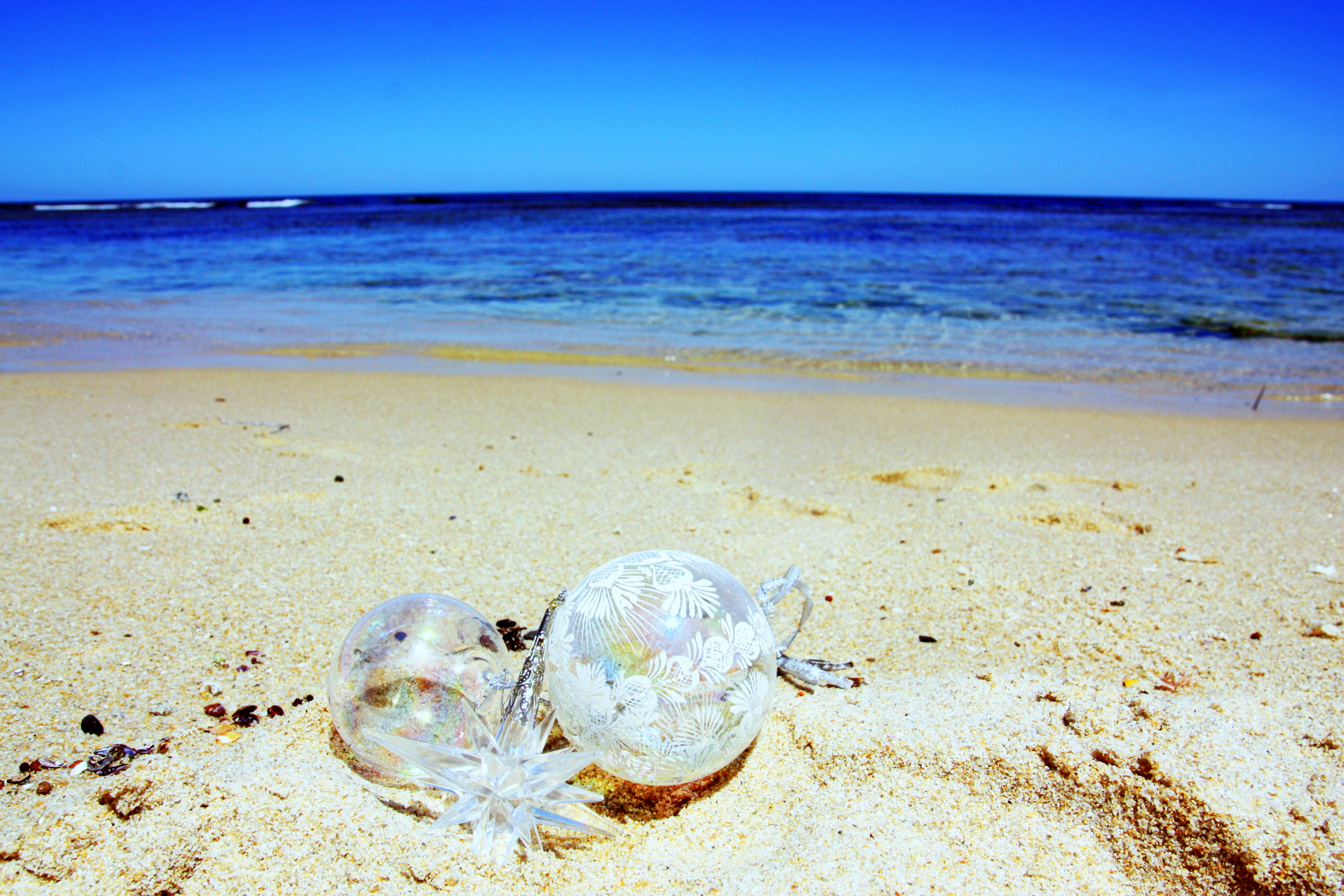
Western Australian Christmas

Western Australian Christmas

With only three sleeps until Christmas many of us are wondering how to wind down, how to enjoy time with our family and friends, and how to continue or create meaningful traditions for this time of year. Perhaps we are trying to avoid a hurricane of over-receiving and over-indulging, trying instead to connect with Christmastime as about giving, faith and connectedness to others and ourselves.

One of my big challenges this year is winding down. In many ways I would like to switch off my work and research selves so that I can be present with family, friends, nature and the present moment. But the hybridity of my roles (teacher, school leader, researcher, connected learner, parent) makes it hard to power down. My leadership work in my school is closely related to my PhD research on teacher growth and school change, so I am constantly immersed in reading, acting and thinking about these things. Being a participant in education Twitter chats this year (like #satchat #sunchat #aussieED, #BFC530 and #whatisschool) has also kept my brain buzzing with ideas sparked by stimulating conversation with inspiring individuals, most of whom I have never met (thank you, my learning network). It appears you can’t turn off a turned on brain!

So to ground myself and connect to this time of year I have been taking time to be present in holiday tasks: playing with my children, swimming at the beach, reading Christmas stories, enjoying music and wrapping presents. Surely I’m not the only one for whom the careful, mindful process of wrapping gifts is meditative and grounding? Anything can be meditative and grounding if we approach it mindfully and with presence.

gingerbread house with dinosaur

gingerbread house with dinosaur

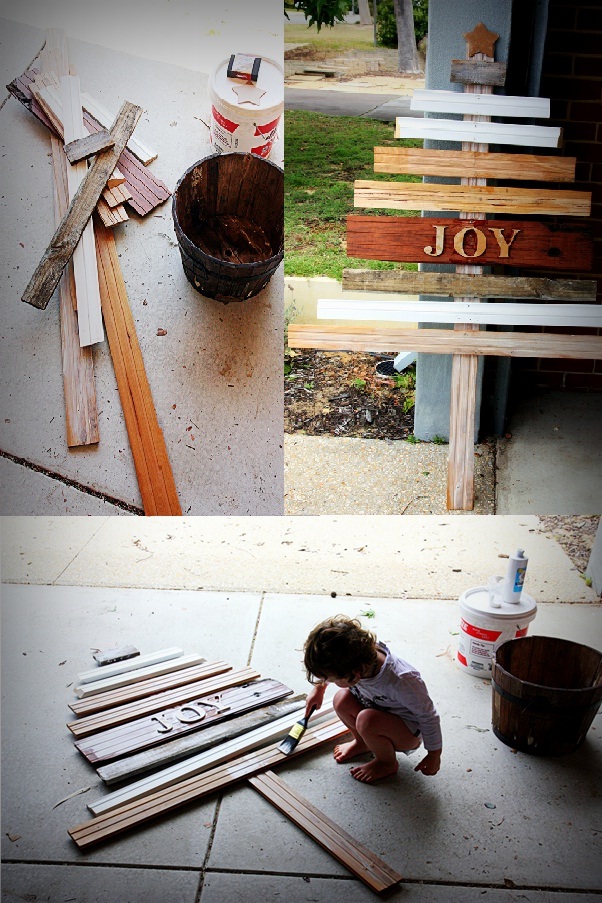
I also find creativity and making to be grounding and connecting acts. Things we make ourselves seem to have a magical energy, an investment of the person or people whose hands forged the object or made the marks. I have been hand-making ornaments, recycling found materials into eco-decorations and picking foliage from the garden for vases. Our Christmas tree is one made by my eldest son and I (he was two years old when we banged it out in our garage) out of upcycled scraps of wood. The physicality of painting, cutting, pasting and glitter-shaking can anchor us to the holiday spirit.

making our Christmas tree

making our Christmas tree

decorating our DIY Christmas tree

decorating our DIY Christmas tree

I was reminded recently that being a flâneuse is about being a ‘human being’ not a ‘human doing‘. Christmas is the perfect time to focus on what is important, in whatever way is meaningful for our family. Coming together should be about celebrating our connections with those we care about – in all their perfect imperfection – and taking the time to really be with them and with ourselves. Happy being.

The power for creating a better future is contained in the present moment: You create a good future by creating a good present. ~ Eckhart Tol

bauble-licious with freshly picked garden foliage

bauble-licious with freshly picked garden foliage

Embrace your discomfort zone: bubbling in the crucible of growth

Out of your vulnerabilities will come your strength. ~ Sigmund Freud

my scribblings: Comfort vs. Discomfort Zones

my scribblings: Comfort vs. Discomfort Zones

Scholarly literature and the blogosphere are saturated with thoughts around motivation, growth and what it means to learn, lead and be the best we each can be. Some of this is around what qualities, attitudes or behaviours we need in order to weather life’s difficulties while continuously growing our selves.

Skill sets & mindsets for discomfort and growth

Carol Dweck’s much-touted work on mindset argues that our self-conceptions frame our life paths. If we perceive ourselves as having fixed immovable traits, then we are less likely to be resilient and positive in the face of challenge. Those who perceive that their talents and abilities can be developed are more able to see setbacks as opportunities for learning and growth.

Art Costa and Bob Garmston’s Cognitive Coaching model would suggest that we need to help individuals to reflect upon their own goals and experiences, figuring out their own ways to get better while assuming that each individual has the capacity to do exactly that.

In their recent book Uplifting Leadership Andy Hargreaves, Alan Boyle and Alma Harris talk about a yin-yang balance between positive energised leadership and tenacious hard work. They talk about disciplined innovation and feet-on-the-ground (rather than pie-in-the-sky) creativity. “An uplifting mindset and skill set keeps your head up high while your feet stay firmly planted on the ground.” Hargreaves, Boyle and Harris articulate the need for leaders to have visions and dreams alongside the determination to struggle through hardship and adversity. They remind us that “without dreams, profound human and social change would scarcely be possible” but that we need inspiration that incites action, daring and doing. Leaders, then, are grounded visionaries whose diligent exertion drives imagination and change.

Environments of support and challenge: being held while being pushed

In her work on adult learning, Ellie Drago-Severson talks about organisations as ‘holding environments’, spaces in which adult learners feel ‘held’ and which provide both high support and high challenge. When I spoke with Ellie this year, she emphasised the need for schools to facilitate the development of self-authoring individuals, able to take charge of their own journeys of transformation.

Charlotte Danielson, too, talks about the need for support and challenge for teacher growth. Teachers need an environment of trust, she says, in which it is safe to take risks in the spirit of ongoing professional inquiry. As I explained previously in my reflections on hearing Charlotte speak at the Australian Council for Educational Leadership 2014 conference, the need for balance – between safety in which teachers feel supported and trusting, and enough discomfort to challenge practice and change thinking and behaviour – has been pivotal in my school’s work to provide a setting for the transformation of classroom teaching, professional conversation and collaborative culture.

Enter the discomfort zone, the birthplace of rainbow growth

So while we need to feel supported enough to take risks, we need to be daring enough to be vulnerable, uncomfortable and daring. Margie Warrell calls this the ‘Courage Zone’, the place beyond comfort (but before terror and paralysis) in which risk taking and growth happens.

In my own experiences I have found this discomfort zone to be a tipping point for my own growth. Often it is in the squirmiest spaces of discomfort that my breakdowns become my breakthroughs. As I illustrated (literally) in the drawing above, my discomfort zone is a place of dark messiness, but from which rainbow-like growth can emerge. The comfort zone might be all white fluffy clouds, affirmations and unicorn-blessed pixie dust, but it also tends to be a space of inertia.

My classroom is a place in which my experience and comfort level are best served by being challenged to try new things like a recent term without marks or grades. And while my online PLN and at-school professional friends provide me with support, it is getting out of the supportive echo chamber and into dissenting debate which pushes my thinking and incites my learning.

Some of the most uncomfortable moments of my growth this year have been in my PhD work which often involves wrestling with my thesis. Support and criticism from my supervisors help me to work tenaciously through difficult research and writing problems to find solutions and make progress. As an experienced educator but novice researcher, it is interesting negotiating a space in which my learning curve is dizzyingly exponential. The best thing about grappling with and through discomfort is the unrivalled feeling of satisfaction at solving, innovating or realising learning.

Who, where or what makes you feel ‘held’ and comfortable? How at ease are you in your discomfort zone? Is it a crucible of growth for you? What do you find when you stay there and thrash around for a while?

Suffering has been stronger than all other teaching …. I have been bent and broken, but – I hope – into a better shape. ~ Charles Dickens, Great Expectations

Mostar jumper: leap into discomfort

Mostar jumper: leap into discomfort

Building superheroes: power, freedom & responsibility

You say you don’t want the responsibility? Guess what? People like us…we don’t get a choice. ~ Peter Parker

power, freedom & responsibility

Spider-Man: power, freedom & responsibility

One of the current favourite lounge room anthems in my house is ‘Superheroes’ by The Script. It’s about struggling through adversity into strength: turning “the pain into power … That’s how a superhero learns to fly”: http://youtu.be/WIm1GgfRz6M .

How do we encourage our own children and students to fly and to build resilience, grit and a sense of individual responsibility for their own flight?

I recently stumbled across a Twitter chat which was around the topic of ‘learning differently’. It seemed to be focused on students who were considered high risk, high needs or ‘different’ learners. Having worked with students with cerebral palsy, students considered ‘at-risk’, and in mainstream and not-so mainstream classrooms, my reaction was: but we all learn differently from each other. So isn’t trying to address ‘learning differently’ just addressing the needs and contexts of all of our students, whatever those are? Can’t we help all individuals to grow and fly in ways appropriate to each of them?

My own approach to differentiation and independence-building is often one which allows student choice and self-direction, which in turn lets me work with students in more individualised ways. Maria Montessori said that a teacher’s greatest mark of success is when “the children are now working as if I do not exist.” If students are to fly, they need to be able to get there on their own. How can we help build their superpowers?

my three superheroes

my three superheroes

Voltaire’s line ‘with great power, comes great responsibility’ was made famous by Spider-Man’s Uncle Ben. It is a line I borrow from when reminding students of their responsibilities in the classroom and in their own learning, adapted for my purposes (and also reflecting the sentiment of something my parents used to say to me):

With great freedom comes great responsibility.

In other words, the more freedom of choice a student has, the more they are expected to act responsibly. As students prove their self-managing, self-motivating, independent capacity for action and thought, so they will have more freedom, and the responsibility that comes with that.

Students tend to connect with and remember that line, maybe because their first reaction is one of correcting me, telling me I have the line wrong; they know it from Spider-Man and they defend the original. Yet they are also reminded that they need to earn their freedom by proving their capacity for self-directedness.

I discovered, after using this line for years, that Eleanor Roosevelt did actually say that “with freedom comes responsibility.” She asserted that freedom requires that we grow up and carry our own weight. Being free-choosing, free-thinking, free-acting citizens of the classroom or the world comes with the responsibility of being thoughtful, ethical, independent individuals, traits often modelled by superheroes.

How do you remind your children or students of the responsibilities which come with freedom? How do you enact your own duty as an educator or a parent? A duty expressed by Hargreaves, Boyle and Harris in Uplifting Leadership as a “lasting legacy” of raising others up, so that, when we step aside “the good work should still go on”?

How do you help your superheroes find their power and learn to fly?

Do you know what is the greatest gift anyone can receive in his lifetime? The greatest gift we can receive is to have the chance,  just once in our lives, to make a difference. ~ Dr Strange talking to Peter Parker

Batman

Batman

Work-family fulfilment: The elusive sweet spot

I have never met a woman, or man, who stated emphatically, “Yes, I have it all.” Because no matter what any of us has—and how grateful we are for what we have—no one has it all. ~ Sheryl Sandberg, Lean In

Usually this édu flâneuse blog is focused on teaching, education, school leadership and research, although I have written about self, travel and gratitude. This post, which was incited by reading Annabel Crabb’s 2014 book The Wife Drought, is about partners, parents and families grappling to find collective fulfilment. What does it mean to be a partner and parent in a world where everyone is leaning in?

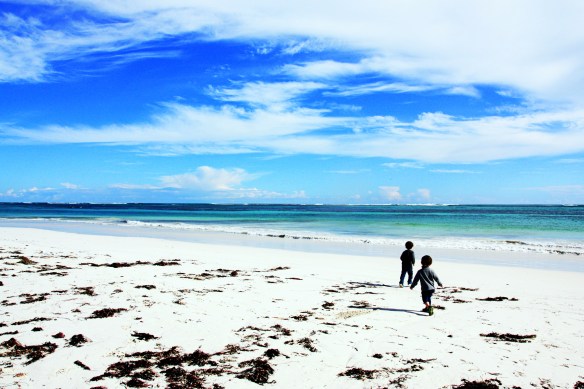
my two boys adventuring

my two boys adventuring

Recently, as the mother of a two and a four year old, I went on a work trip, my first solo travel since the birth of my eldest. Apart from the very occasional overnight (drop-off-at-bedtime pick-up-at-breakfast) sleepover, I had never been away from my children. My husband had travelled consistently since they were born, but this experience was new to me. As I strode at a grown-up pace through the airport, wheeling a single teeny carry-on, it struck me: this was the first time in five years, since first falling pregnant, that I had conceived of myself as a singular entity, a human being in my own right. Of course, there was still the invisible umbilical pull, but this experience of thinking-only-of-myself was both foreign and like slipping on my softest old comfies.

It got me thinking: What makes our lives whole? How do we prioritise family time, husband-wife time, career time, self-care time and home time? Can we be whole or can we only be compartmentalised parts? Is there a work-life-family-self sweet spot?
lean in to sandcastle building

lean in to sandcastle building

I like Jennifer Dulski’s concept of the Work-Life Mashup. Be with people you love and do the work that matters, she says. Focus on what’s important. I also resonated with Rosa Brooks’s response to Sheryl Sandberg’s Lean In: lean out! More is not always better. How about also leaning in to family, happiness and wellbeing?

A good friend recently leant me Annabel Crabb’s The Wife Drought: Why Women Need Wives and Men Need Lives. Crabb’s message is that, in order to achieve any semblance of work-family happiness, women need support in the home and men need more flexibility to step out of a traditional work model.

Men: supercharged by wives but missing out on lives

“Men’s careers rattle along uninterrupted,” says Crabb. Their wives are the “invisible power-pellet” which makes them more able to succeed in their own careers. “For fathers, having a family gave them a competitive edge,” while for women children make her, “less likely to be employed.” Men don’t tend to take time out from their careers when they have a family. As their children are born and grow, their work lives rocket forward on unbroken trajectories.

The downside of man as breadwinner and woman as homemaker is that fathers are excluded from “a universe of experience … and that’s a sad thing.” Why is a dad looking after his own children called being “Mr Mum” or “Daddy Daycare”, instead of just ‘being a parent’?

My husband recently went to the weekday parent induction for our eldest son’s new school, and he was one of three dads there; the other forty-plus parents were mums. Hopefully he was seen as neither a hero nor a novelty; just a proud, interested and loving parent.

Half-crazed superwomen: doing it all not having it all

Crabb cites studies and statistics which show that women are the ones who tend to adjust their schedules and take on the lioness’s share of the caring and housework responsibilities. She describes this as the age of the “half crazed ‘superwoman’” who attempts to ‘do’ work and family in equal measure, all while having “that feeling that one ought to work as if one did not have children, while raising one’s children as if one does not have a job. To do any less feels like failing at both.” Women tend to step back, step out, or figure out acrobatically-flexible ways to scratch together a work life while their children are small, or pay others to care for their kids.

I have heard an employer say, “if you want efficiency, hire a part-time mum” and Crabb asserts that she uses “every scrap of the day like an Italian farmer uses all of the pig.” We all have our multi-tasking, time-saving routines. I wrote here about the way I approach my PhD schedule. And there are always circumstances under which the delicate ecosystem of childcare, work, family and self, tips on its axis and sends us sprawling.

Social media: help or hindrance?

Social media allows us all to connect to others and share our lives. While my professional social media is focused on my intellectual interests and cultivating professional conversations, I use my personal social media to share moments of beauty or delight which I’ve carved out or stumbled upon: a sunrise at the beach, my children playing happily, a wonky birthday cake I made from scratch. My aim is not to craft an image of work-life-mashup perfection, or to suggest that this social media output is my complete reality. This is the highlights reel, not the whole picture! Crabb warns, though, that women who try to make work-family-life juggling appear easy can’t complain when the world doesn’t notice how much they are struggling to maintain their appearance of effortless togetherness.

For some, social media posts are an additional pressure. Apparently there is a thing called ‘Facebook life envy’. The mother who sees others’ decontextualised posts might wonder: How will I assemble a perfect outfit, while making grain-free dairy-free sugar-free recipes from whole foods grown in my own garden, mixing my own eco-organic-fairtrade face scrub, engineering creative craft activities, hand making personalised Christmas cards, and take a ‘no filter’ photo of a house sparklingly clean from all-natural chemical-free cleaning products?

We need to remember that social media is not life. And our lives are our own to live. 
social media is not reality

the highlight reel: social media is not reality

Finding the Work-Family Fulfilment sweet spot

Crabb concludes The Wife Drought by suggesting that we become accepting of men taking time for family or working more flexibly to achieve their own work-life-family contentment. Men should be able to lean out, she says, without being the subject of ridicule or novelty.

I’m lucky enough to have the kind of mutually supportive relationship that Tanya Plibersek talks about in Crabb’s The Wife Drought. My husband and I support each other professionally and share what we do at home. My husband believes in me as a mother, a wife, a researcher and a professional. He supports me in my dreams: to nurture a happy, connected family; earn a PhD; build a satisfying career; have a love-filled joyful adventurous life. And I support him in his: to be a present, treasured father to our boys; build a family legacy with them; grow his own businesses; develop his reach and impact; nurture professional connections and make a difference to the industries in which he is immersed.

We need to believe in each other’s capacities for awesome, and in each other’s dreams.

It may not be easy or perfect, and my husband and I may live our weekday lives by the ding of an Outlook calendar, but we both want to actively parent our children and be – really be – in their lives. We both work a semi-flexible working week. We share housework. We both have times when one of us is parenting our children and the other is working or traveling. We have lots of time when we are all together. Our boys see us, I think, as equally their parents. They experience us as a whole family unit in which we all work together to support each other as we seek individual and collective happiness. These choices are based on our beliefs. I know many happy families who make different, equally fulfilling choices for their own circumstances and principles. Each family needs to find its own changing recipe for the sweet spot of ‘this works for us, for now’ and ‘this makes us happy’.

Perhaps discussions about work-family-life fulfilment should be less debates in which we tally the percentage of housework done or hours worked or dollars earned by each partner. Can we focus more on talking with our partners and our employers about how we can support each other in our dreams for our selves and our families? What might that look like for our particular family, based on our visions, dreams, opportunities and resources?

There is no “invisible power pellet” or perfect one-size-fits-all recipe for finding the work-family-life-happiness sweet spot. We can only make choices which work for each family at any given time, riding the ebb and flow of life’s messy randomness together, and with a view to serving each individual (parents and children) and the whole.

carve out time & space for joy & simple pleasures
carve out time & space for joy & simple pleasures

No grades? No marks? No worries.

We need to ensure that feedback causes a cognitive rather than an emotional reaction – in other words, feedback should cause thinking. … it should be more work for the recipient than the donor. Indeed, the whole purpose of feedback should be to increase the extent to which students are owners of their own learning. ~ Dylan William

Is there a joyful feedback loop?

Is there a joyful feedback loop?

I remember from my own experience as a school student what feedback can feel like, especially in those subjects at which I did not excel. A harsh or critical word, a page bleeding with red pen, or a mark – that number always so final and inflexible – can be crushing, humiliating or incomprehensible to a child or adolescent.

An approach to feedback

As a high school teacher, I never mark in red. I try to build into units of work multiple formative opportunities which allow students to try things, reflect upon their learning, and try again.

I encourage students to see a mark, not as an endpoint, but as a formative learning opportunity. I explicitly tell students that a mark is one number attached to one moment in time, not a judgement of them and their worth. That even summative assessments are really learning opportunities, to reflect on areas of strength, realisations of learning and areas for development.

I implement a post-test feedback process in order to facilitate this cognitive rather than emotional reaction to the result achieved for a piece of work, in an attempt to ignite, rather than shut down, students’ thinking.

My usual process after a test or assessment is this:

  1. I provide whole-class oral and white-boarded feedback based on the assessment rubric and patterns in student responses.
  2. Students write a quick prediction and reflection based on that oral feedback and their understanding of their preparation for that assessment and how they think they went.
  3. I give the assessment back, on which is written individual feedback in relation to the rubric. Students do not receive a mark or grade (yet).
  4. Each student silently writes a reflection on their work (including areas of strength, areas for development and strategies for future growth) and has a consequent individual conversation with me about their reflection. Sometimes this step also involves identifying a part of the assessment to re-do for their own growth.
  5. Students receive their mark and are then able to re-reflect or make a time to see me to discuss how they went, why, and how they might approach future work.

While many of them initially find this process excruciating (‘Just give me the mark!’), I hope that it helps them to develop skills for using their experiences, successes and disappointments as moments for reflection and growth, rather than emotive reaction and cognitive shutdown.

All this seems to have a lot of what ‘I’ the teacher am doing, but really the focus in on how best to facilitate the thinking of the students, and propel their understanding of assessments as data for growth, as opportunities for micro-transformation.

‘No marks, no grades’ in action

One of my classes is currently finishing up a term unit which has had no marks and no grades. Nada. Zip. Zilch.

That is, for this term, every student in Year 10 was able to choose a unit from a series of choices offered by the Faculty which would be run as a project-based and unmarked unit.

I was sceptical about this approach. While I endeavour to lead students away from their marks and towards their learning, I wondered if they would continue to work if there was no mark at the end. Would they apply themselves when they realised that there were no marks up for grabs, no traditional scoring of their efforts, no numerical way to compare themselves against their peers? What would happen when students realised that the work didn’t ‘count’, in the traditional school sense, towards a mark or grade?

To my surprise and delight, I have reached the last week of what has been a term of focused, engaged, passionate and diligent work by my students. My instincts about the pleasing way the students have worked, and the good (at times inspired, origial, creative or prolific) work they have produced, tell me that some combination of the following factors may have facilitated this.

  1. Students had ownership. They chose the unit, thereby placing themselves in the class, declaring an interest in the content and a desire to be there.
  2. Students and teacher were liberated from marks and grades. In a class with a very diverse range of abilities, I was able to work with students at their level and stage. I could help weaker students to move their work forward without having to disappoint them with a low mark after submission. I was able to extend and encourage more gifted students beyond what might have been considered mainstream curriculum.
  3. There have been other non-mark non-grade measures of success along the way. For each minor task I chose the top student responses and awarded small prizes to those who had produced the best work. I also offered opportunities for the class to off-campus mini-excursions, if work was completed, motivators which helped to keep students on track with milestones along the way.
  4. Student passion and purpose was harnessed through a passion-based project-based approach to tasks. As teacher I was guide, facilitator, collaborator and mentor to their work.
  5. Authenticity of audience. We organised an end-of-term showcase of student work, a kind of walk-through exhibition in which student work was displayed and celebrated. Students took responsibility for selecting and displaying work, and were able to share this work with community. We also kept class blogs which were creative, collaborative, organic explorations of ideas.

It turns out I should have remembered Dan Pink’s assertion that carrots and sticks (a mark or grade can be either), squash motivation and crush creativity. That people are intrinsically motivated by a desire for purposeful self-authorship. This recent un-marked un-graded unit was an example of students working with a sense of personal pride, personal voice and personal purpose.

@debsnet https://theeduflaneuse.wordpress.com/

Gratitude, awe & delight: lessons from Pollyanna

“The game was to just find something about everything to be glad about—no matter what ’twas.” ~ Eleanor H. Porter, Pollyanna

suburban rainbow

suburban rainbow

As the parent of two pre-school age children, I sometimes wonder about the age at which we are expected to be less excited by the world and more serious about it. At our local park, there are always children rolling down the grassy hill, rolling themselves over and over into dizzy giggles. On occasion, I have joined in with my own children, but a ‘grown-up’ covered head-to-toe in grass and leaves, or with scraped knees from climbing trees, or cupped hands filled with meticulously-chosen sea shells, doesn’t seem appropriate somehow. Yet I have been known to race out of my classroom to get a better look at a rainbow, jumping and clapping my hands, a line of bemused high school students trailing behind me. Recently, my small children and I have been playing with mirror-ball Christmas decorations in the late afternoon sunlight, painting the walls with light patterns.

mirror ball joy

mirror ball joy

Finding daily magic, seeing things from new perspectives, and allowing ourselves daily moments of presence, connection and wonder are surely the starting points for gratitude. One of my fondly-remembered childhood stories is that of Pollyanna, the girl whose ‘glad game’ and glass-full outlook changed those around her. With her rainbow-maker prisms, physical symbols of everyday magic, she promoted thankfulness, wonderment, the search for everyday magic and trying to see the good in life. In Pollyanna’s exchange with John Pendelton, they bring magic to each others’ worlds, tranforming dreariness into a fairyland of wonder:

  It was toward the end of August that Pollyanna, making an early morning call on John Pendleton, found the flaming band of blue and gold and green edged with red and violet lying across his pillow. She stopped short in awed delight.

“Why, Mr. Pendleton, it’s a baby rainbow–a real rainbow come in to pay you a visit!” she exclaimed, clapping her hands together softly. “Oh–oh–oh, how pretty it is! But how did it get in?” she cried. …

“Well, I suppose it ‘got in’ through the bevelled edge of that glass thermometer in the window,” he said wearily. “The sun shouldn’t strike it at all but it does in the morning.”

“Oh, but it’s so pretty, Mr. Pendleton! And does just the sun do that? My! if it was mine I’d have it hang in the sun all day long!”

… in a moment he was slipping off the pendants, one by one, until they lay, a round dozen of them, side by side, on the bed. “Now, my dear, suppose you take them and hook them to that little string Nora fixed across the window. If you really want to live in a rainbow–I don’t see but we’ll have to have a rainbow for you to live in!”

Pollyanna had not hung up three of the pendants in the sunlit window before she saw a little of what was going to happen. She was so excited then she could scarcely control her shaking fingers enough to hang up the rest. But at last her task was finished, and she stepped back with a low cry of delight.

It had become a fairyland–that sumptuous, but dreary bedroom. Everywhere were bits of dancing red and green, violet and orange, gold and blue. The wall, the floor, and the furniture, even to the bed itself, were aflame with shimmering bits of colour.

“Oh, oh, oh, how lovely!” breathed Pollyanna.

At the end of this exchange, Mr Pendelton says “I’m thinking that the very finest prism of them all is yourself, Pollyanna.” Pollyanna’s view of the world influences those around her. She is prismatic in the way she acts as a medium through which others’ joy and gladness can shine.

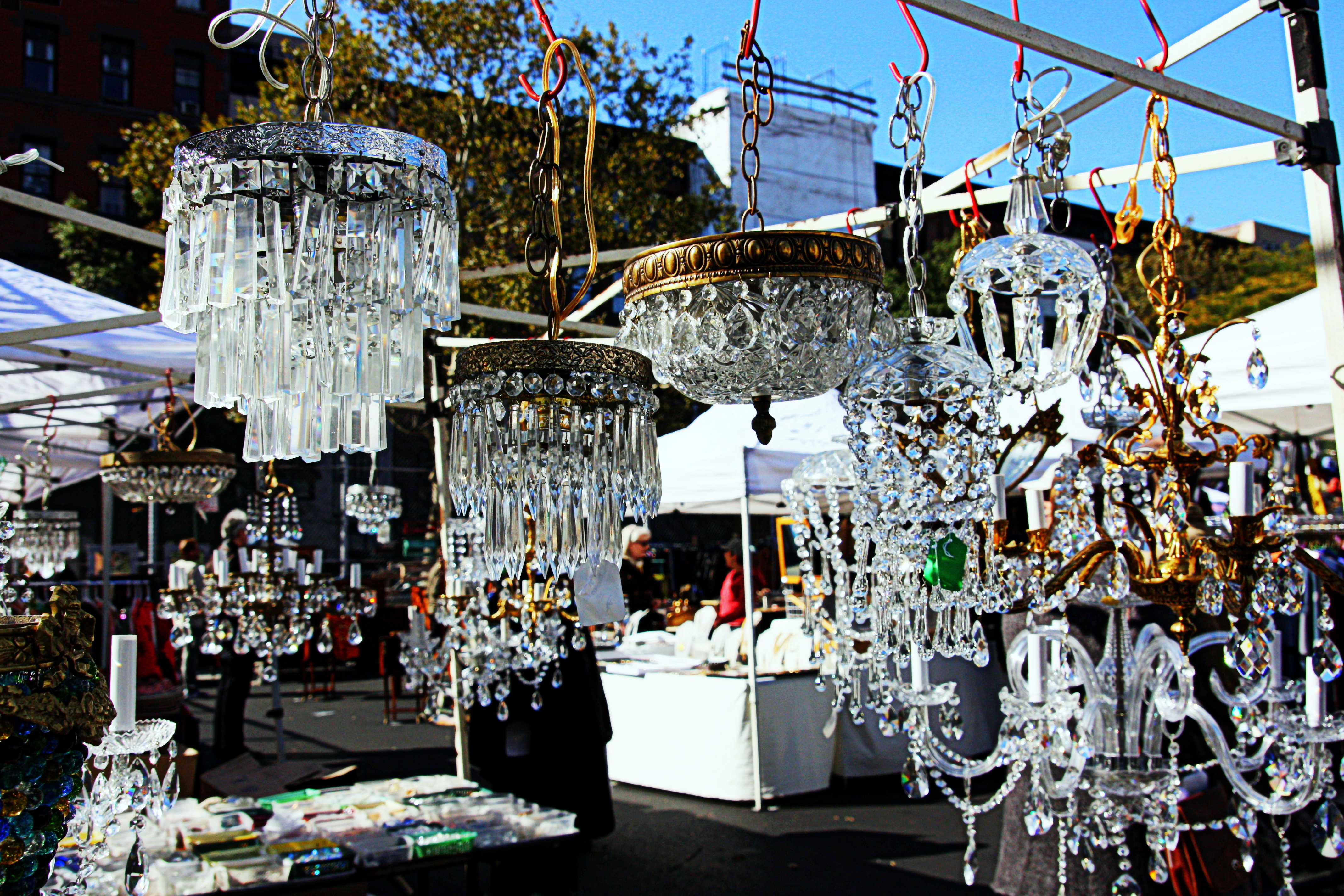
Greenflea Market, NYC

Greenflea Market, NYC

On my recent trip to New York City, I was reminded of Pollyanna. I visited the chandelier stall of Montenegrin-born Ljatif Mecikukic at the Greenflea market on Columbus Avenue. This stall is one which I have visited on all three of my visits to New York. Previously I have photographed its sun-splitting glinting crystal prettiness, but this time I also brought home a little ring of Pollyanna-style prisms, my own rainbow-making iridescence-radiating magic, stashed in my suitcase. A little Spanish chandelier from the Upper West Side:

prismatic chandelier

prismatic chandelier

Tomorrow is Thanksgiving in the USA. As I, across the world, watch the light dance through my NYC prisms, I am contemplating Pollyanna’s ‘glad game’. My gratitude list includes:

  • Incredible support from those around me, which allows me to enjoy the multiplicity of roles and joys I have chosen: as parent, educator, PhD candidate, wife, daughter, sister, friend, adventuress, flâneuse, rainbow-seeker.
  • Being celebrated for being myself by family, friends, colleagues and PLN, no matter how random, left-of-centre or nerdy that is.
  • Being supported in my always-learning always-living, by my family, critical friends, affirming friends, PhD supervisors and online PLN.
  • Opportunities for professional and personal adventures, including macro ones like international travel, and micro ones like waterfall-clambering with my children.
  • Immersion in the power of storytelling: through reading the stories – real and imagined – of others, and through my own narrative research, my work as an English and Literature teacher and this blog. It’s an honour and a privilege to hear others’ stories.

Most of us don’t live in a naïve state of perpetual optimism, and there are circumstances and life events which make being glad, thankful or grateful, very challenging. Hopefully by looking for the good in situations (and in people), and by being present in our daily lives and conversations, we can connect for long enough to feel delight, awe and wonderment (thank you, Costa and Kallick). We can be the prisms which help others see beauty in life, themselves and others.

Broome beach

Broome beach, a place for reflection, wonder, delight & sand between toes

Why blog? Personal evolution & community transformation

There is nothing to writing. All you do is sit down at a typewriter and bleed. ~ Ernest Hemingway

doorway

doorway

I began this blog a few months ago as a way to explore, record and share my thinking around a particular self-directed professional learning experience: a trip from Australia to New York intended to gain insights around teacher effectiveness, teacher evaluation and teacher growth. The trip was amazing personally and professionally. I met with schools, school leaders, teachers, researchers and global edu-experts who challenged and inspired.

Now that initial blogging purpose is sated and I find myself wondering: should I continue blogging?

My first instinct is: yes. And that mainly emerges out of the enjoyment I have found in reflecting, writing, sharing and engaging with others as a result of my posts. I alluded in post about social media for educators, this post about being a connected educator and this one about finding your professional global tribe, that Twitter has been invaluable in connecting me with other like-minded (and non-like-minded – just as important!) people. Blogging, however, allows for much more developed thinking than tweeting. Twitter can facilitate 140 character conversations, but it doesn’t allow you to burrow deep into ideas and give them a shake. So since blogging, I have been blogging about blogging, and now I’m at it again.

My reservations about continuing a blog are primarily about time. I am a parent of two pre-school age children, an educator at an Australian school, and a PhD candidate who is two years, 150 pages and 300 references into my thesis (more about how I juggle those things here). Right now as I write a blog post about whether I’ll write future blog posts, there is a long list of other things I could be doing.

And yet, here I am.

Partly because this blog has allowed me to explore my own thinking around my work and study. It is a free space to write. I have my PhD to write too, but blogging is a space in which I can write without pressure and with more freedom of style and content. It keeps me thinking and learning and connects me with other thinkers and learners.

I also know what other blogs give me. They can be transformational, inciting change, encouraging action and inspiring thinking through the sharing of stories, expertise and others’ intellectual struggles around big and small ideas. They promote reflection, conversation and growth, in the blogger and the reader. Perhaps my own musings might provide insights for others, open a window to my context, challenge another’s thinking or facilitate connections across geographical and philosophical boundaries?

So I feel propelled to continue blogging, but I wonder how that journey might evolve, if anyone will read my posts, and if that even matters. Certainly I would (will?) be a blogger who blogs when I have something to say, rather than to chase numbers of clicks on a page.

Western Australia by @debsnet

possibilities

Leaving New York City

Abroad is the place where we stay up late, follow impulse, and find ourselves as wide open as when we are in love. We live without a past or future, for a moment at least, and are ourselves up for grabs and open to interpretation … The Romantic poets inaugurated an era of travel because they were the great apostles of open eyes. Buddhist monks are often vagabonds, in part because they believe in wakefulness. And if travel is like love, that is, in the end, mostly because it’s a heightened state of awareness, in which we are mindful, receptive, undimmed by familiarity, and ready to be transformed. That is why the best trips, like the best love affairs, never really end. ~ Pico Iyer

Thank you, New York. And goodbye for now.

NYC from the air

NYC from the air

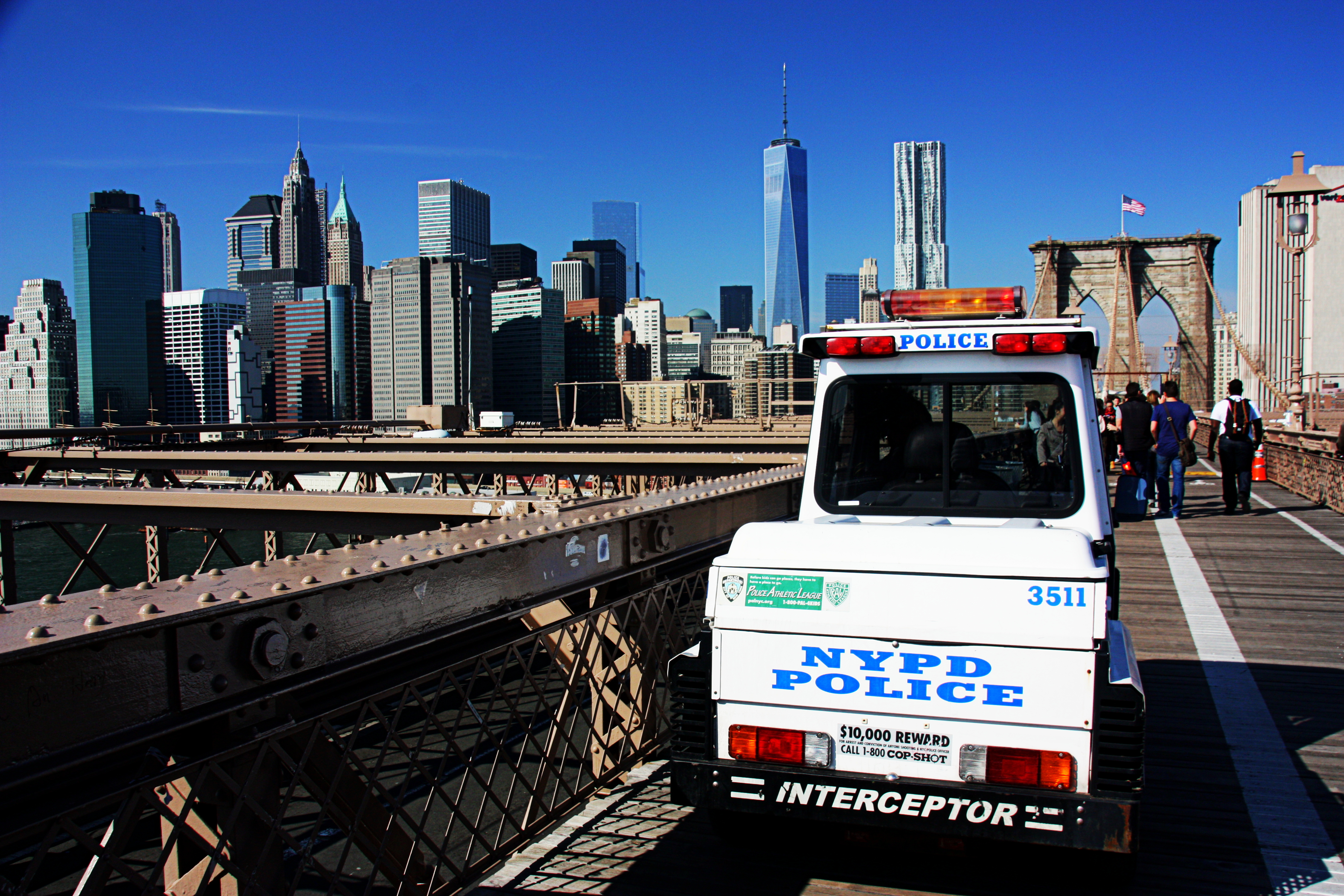
Brooklyn Bridge view

Brooklyn Bridge view

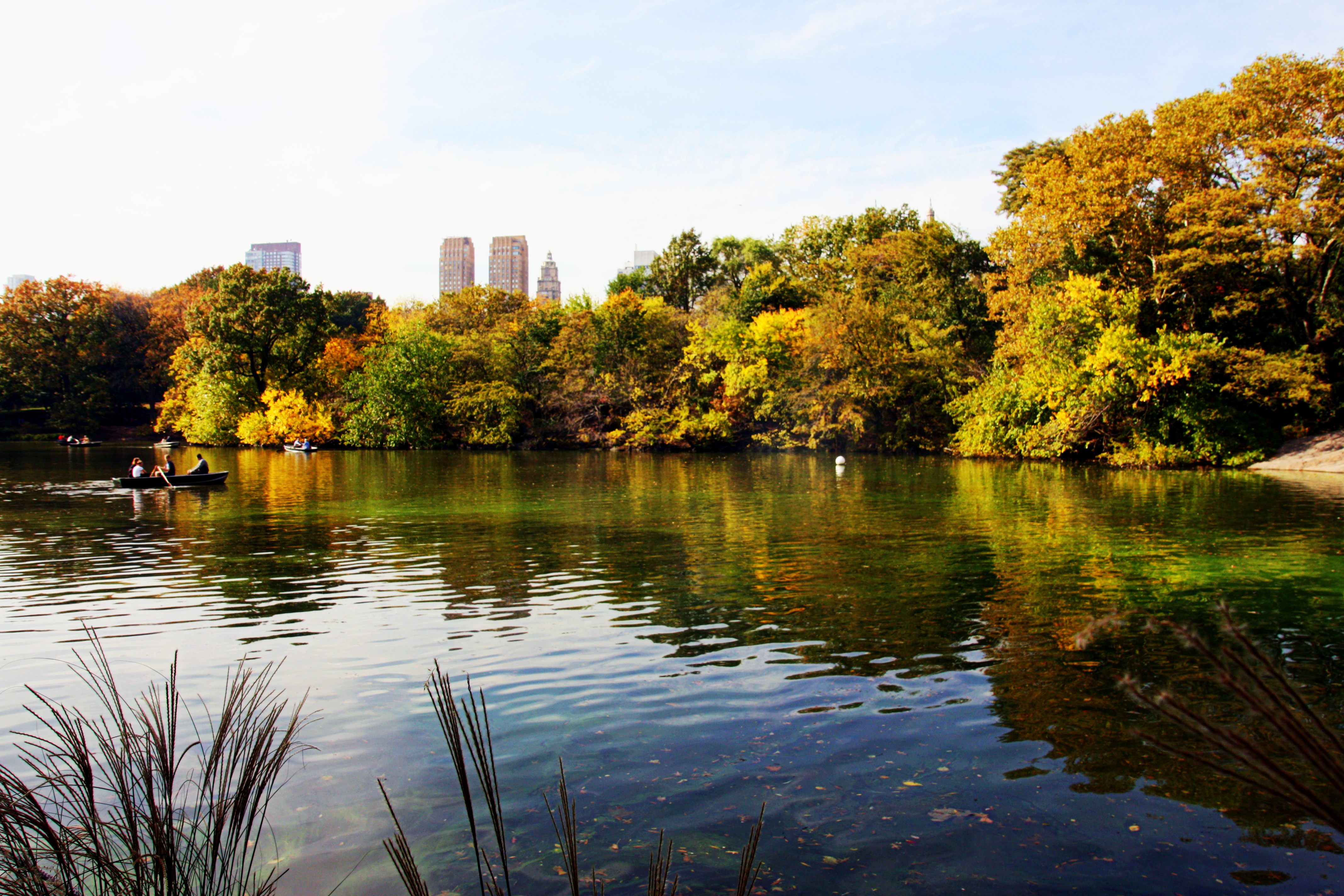
Central Park

Central Park

Columbus Circle

Columbus Circle